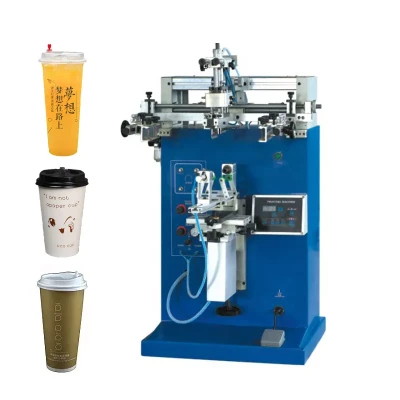
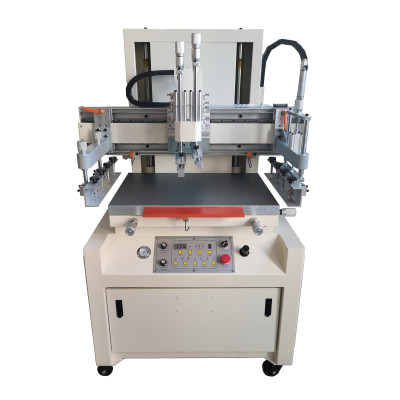
In today's competitive packaging landscape, a bottle screen printing machine has become an indispensable tool for brands seeking to elevate their product presentation. Unlike traditional paper labels, direct screen printing on bottles offers superior durability, vibrant colors, and a premium aesthetic that commands consumer attention. Whether you are in the cosmetics, beverage, pharmaceutical, or personal care industry, understanding how bottle screen printing machines work and how to select the right equipment is critical for your brand success.
This comprehensive guide from CooPrinter covers everything you need to know about bottle screen printing machines — from the underlying technology and machine types to selection criteria, pricing, maintenance, and future trends shaping the industry in 2026.
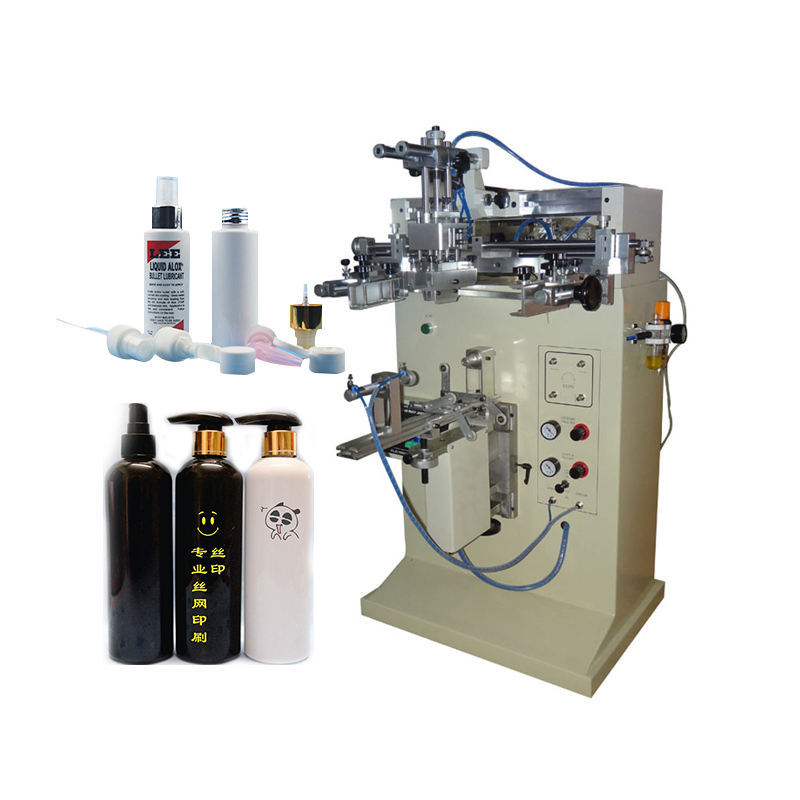
What Is a Bottle Screen Printing Machine?
A bottle screen printing machine is specialized industrial equipment designed to transfer ink onto the curved surfaces of bottles and containers. Unlike flat surface printing, bottle screen printing requires a mechanism that rotates the bottle while pressing ink through a mesh screen, ensuring even coverage on cylindrical, conical, or oval surfaces.
The process involves several key components:
- A mesh screen (typically polyester) stretched tightly over a metal frame
- A stencil or emulsion layer that blocks ink except in the design areas
- A squeegee mechanism that forces ink through the screen onto the bottle
- A fixture or jig that holds the bottle securely during printing
- A registration system for multi-color alignment
At CooPrinter, we have engineered our bottle screen printing machines to handle the unique challenges of curved-surface printing, delivering consistent, high-quality results across thousands of production cycles.
How Does a Bottle Screen Printing Machine Work?
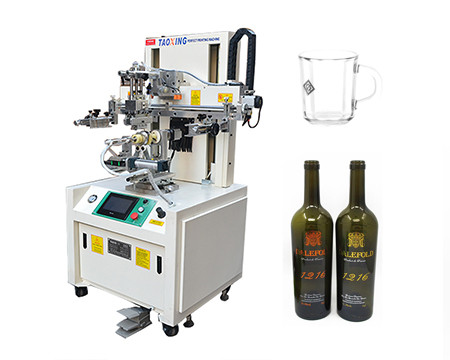
The working principle of a bottle screen printing machine centers on the precise coordination between bottle rotation and squeegee movement:
1
Loading
The bottle is placed into a custom fixture that matches its shape and size, ensuring stable positioning throughout the printing cycle.
2
Pre-treatment
For optimal ink adhesion, many bottles undergo flame treatment or plasma treatment before printing. This increases the surface energy of the substrate.
3
Screen Alignment
The mesh screen, prepared with the design stencil, is positioned above the bottle. Optical or mechanical registration ensures precise placement.
4
Ink Transfer
As the squeegee presses down, the bottle rotates synchronously, allowing ink to transfer evenly across the curved surface in a single smooth motion.
5
UV Curing
UV-curable inks are instantly hardened under UV lamps, while solvent-based inks require heat drying tunnels. Proper curing ensures scratch and chemical resistance.
6
Multi-Color Printing
For multi-color designs, the bottle moves to the next station where the process repeats with a new screen and ink color, with registration accuracy within 0.1mm.
Types of Bottle Screen Printing Machines
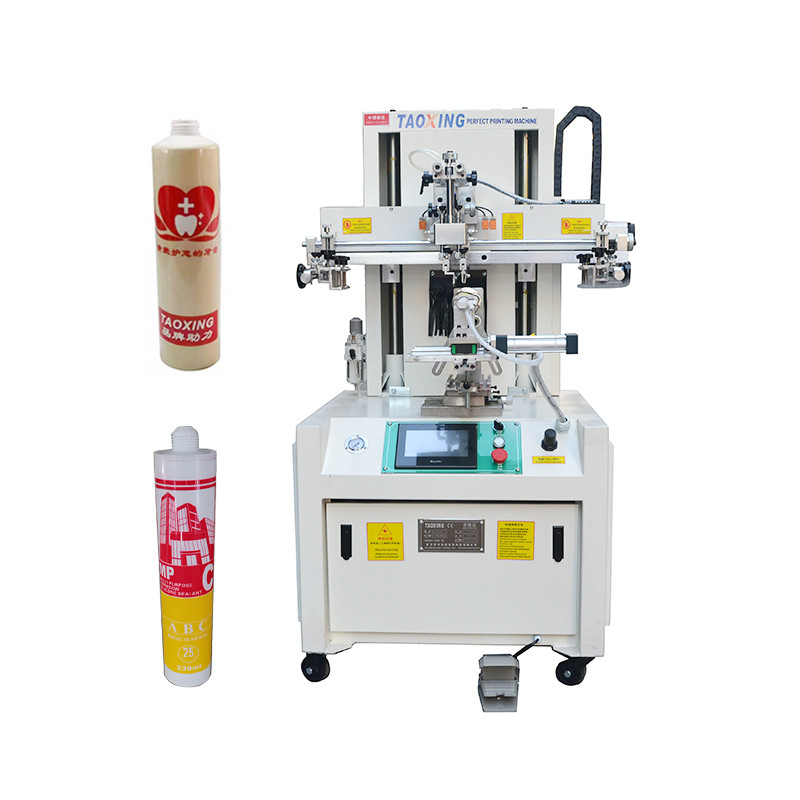
Bottle screen printing machines are categorized by their level of automation, each suited to different production scales and budgets:
| Machine Type |
Speed (bottles/hour) |
Best For |
Investment Level |
| Manual |
50–150 |
Startups, samples, custom work |
Low |
| Semi-Automatic |
200–800 |
Growing businesses, mid-volume |
Medium |
| Fully Automatic |
1,000–4,200+ |
Mass production, large brands |
High |
Manual Bottle Screen Printing Machines
Manual machines require the operator to handle every step — from loading bottles to pulling the squeegee. While labor-intensive, they offer unmatched affordability and flexibility for small-batch or prototype work. They are ideal for startups testing market demand or producing limited-edition promotional items.
Semi-Automatic Bottle Screen Printing Machines
Semi-automatic machines bridge the gap between manual and fully automated production. The operator loads and unloads bottles, but the machine controls the squeegee motion and bottle rotation, ensuring consistent print quality at moderate speeds. CooPrinter semi-automatic models are particularly popular among mid-sized cosmetics and beverage brands.
Fully Automatic Bottle Screen Printing Machines
Fully automatic systems represent the pinnacle of bottle printing technology. These integrated production lines handle everything from automatic bottle feeding and flame treatment to multi-color printing, UV curing, and unloading — all with minimal operator intervention. They can process up to 4,200 bottles per hour, making them the preferred choice for large-scale manufacturers.
Key Applications Across Industries
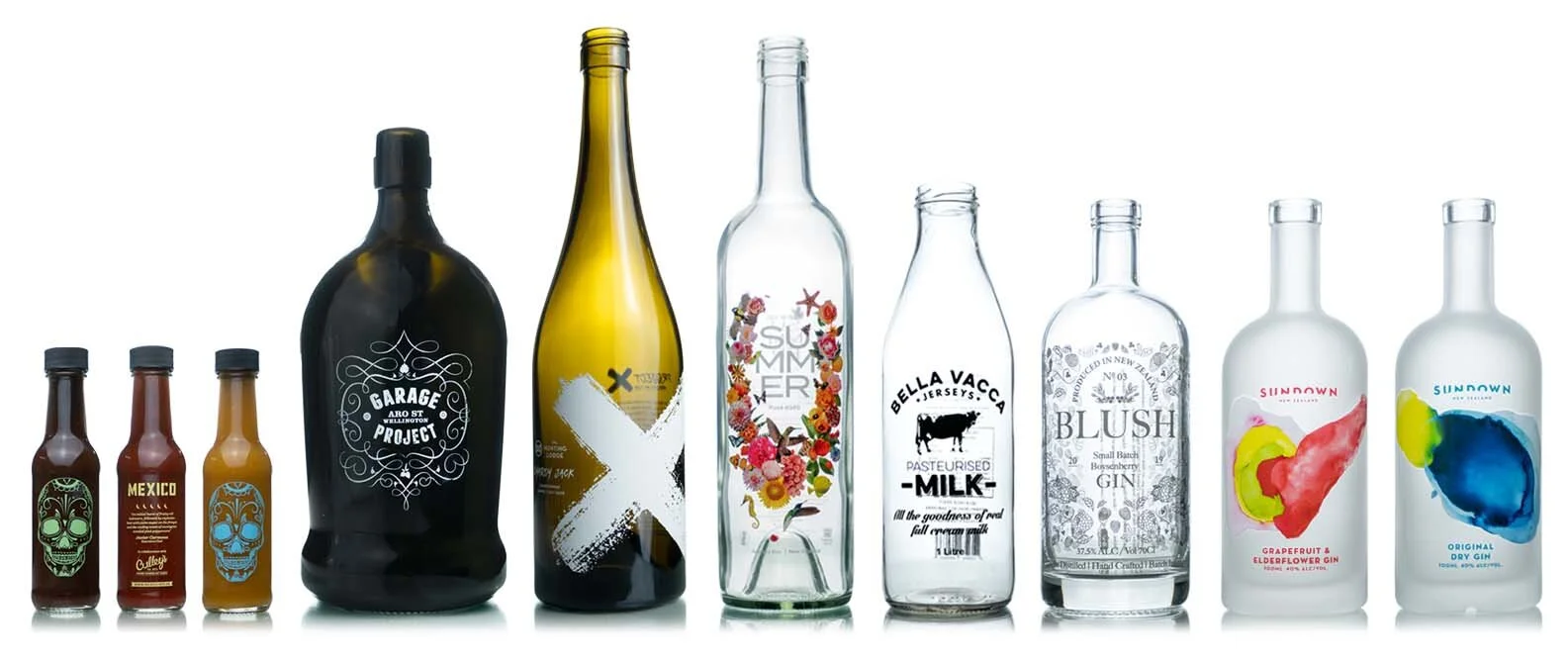
Bottle screen printing machines serve a diverse range of industries, each with unique requirements:
Cosmetics Industry
Premium cosmetic bottles require flawless, high-resolution printing for brand logos, decorative patterns, and product information. Screen printing delivers the luxury finish that high-end cosmetics demand.
Beverage Industry
Wine, spirits, beer, and juice bottles benefit from durable, moisture-resistant printing that withstands refrigeration, condensation, and handling throughout the supply chain.
Pharmaceuticals
Medicine bottles need precise, legible printing that meets strict regulatory standards for labeling and traceability. Food-grade ink systems ensure compliance.
Personal Care
Shampoo, lotion, and body wash containers require chemical-resistant printing that endures daily use in wet environments without fading or peeling.
Glass vs. Plastic Bottle Screen Printing
The material of the bottle significantly impacts the printing process and the machine configuration required:
Glass Bottle Screen Printing
Glass bottles are the most common substrate for screen printing. The smooth, non-porous surface of glass provides excellent ink adhesion and allows for vibrant, long-lasting prints. Flame treatment is often used to prepare the glass surface, and UV-curable inks are the standard choice for their instant curing and durability. Glass bottles are prevalent in the wine, spirits, cosmetics, and premium beverage sectors.
Plastic Bottle Screen Printing
Plastic bottles (PET, HDPE, PP) require different considerations. The surface energy of plastic is lower than glass, making flame or plasma treatment essential for ink adhesion. Specialized ink formulations are needed to prevent cracking or peeling on flexible plastic surfaces. Plastic bottle printing is common in the personal care, household chemical, and food packaging industries.
How to Choose the Right Bottle Screen Printing Machine
Selecting the right machine for your business requires careful evaluation of several critical factors:
Production Volume
Estimate your daily or hourly output requirements. Under 500 pieces per day suggests a semi-automatic machine, while 3,000+ pieces per day warrants a fully automatic system.
Bottle Variety
Consider the range of bottle shapes and sizes you need to print. Quick-change tooling systems are essential if you frequently switch between different bottle types.
Color Requirements
Determine how many colors per design you need. Each color requires a separate printing station and screen, directly affecting machine cost and complexity.
Material Types
Identify whether you will print on glass, plastic, or both. Different materials may require different pre-treatment systems and ink formulations.
Budget and ROI
Balance initial investment against long-term operational costs. Factor in labor savings, ink consumption, maintenance, and expected machine lifespan.
Space Constraints
Ensure you have adequate floor space for the machine, ancillary equipment (UV curing, conveyors), and operator access for loading and maintenance.
Essential Features to Look For
When evaluating a bottle screen printing machine, prioritize these critical features that directly impact print quality, productivity, and long-term reliability:
- Servo-driven control for precise bottle rotation and squeegee movement, ensuring consistent print quality across long production runs
- Quick-change tooling for fast bottle size changeovers, minimizing downtime between different product runs
- Adjustable squeegee pressure and angle for optimal ink transfer across different surface materials and ink viscosities
- Integrated pre-treatment (flame or plasma) for superior ink adhesion, especially on glass and low-energy plastic surfaces
- UV curing system for instant ink drying, enabling immediate handling and stacking of printed bottles
- Multi-color registration system for precise alignment between colors, with optical or mechanical registration achieving accuracy within 0.01mm
- CE and ISO certification for safety compliance and quality assurance, essential for exporting to international markets
Bottle Screen Printing Machine Price and ROI
Investment in a bottle screen printing machine varies widely based on automation level, number of colors, features, and brand reputation. Here is a general pricing breakdown:
| Machine Category |
Price Range (USD) |
Typical Payback Period |
| Manual single-color |
$500–$3,000 |
3–6 months |
| Semi-automatic 1–2 color |
$3,000–$15,000 |
8–14 months |
| Fully automatic multi-color |
$15,000–$80,000+ |
12–24 months |
Return on investment depends on production volume, labor savings, ink efficiency, and the premium value added by high-quality direct printing. Many CooPrinter clients report ROI within 12 to 18 months when operating at near-capacity utilization. The elimination of label material costs and the enhanced brand appeal of direct-printed bottles contribute significantly to the financial equation.
Maintenance Tips for Long-Lasting Performance
With proper maintenance, a high-quality bottle screen printing machine can deliver reliable service for 8 to 10 years. Follow these essential maintenance practices:
Daily Maintenance
- Clean screens and squeegees thoroughly after each production run
- Wipe down the machine surface and remove ink residue
- Inspect fixtures for wear or damage
- Check UV lamp function and cooling system
Periodic Maintenance
- Lubricate moving parts according to the manufacturer schedule
- Inspect and replace UV lamp modules every 1,000–2,000 hours
- Calibrate registration systems monthly
- Check pneumatic and hydraulic systems for leaks
Best Practices
- Keep the work environment clean and temperature-controlled
- Train operators on proper handling and troubleshooting
- Maintain an inventory of spare parts (screens, squeegees, UV lamps)
- Schedule annual professional servicing from your manufacturer
Future Trends in Bottle Screen Printing Technology
The bottle screen printing industry is evolving rapidly, driven by advances in automation, sustainability, and digital integration. Here are the key trends shaping the future:
AI-Powered Quality Inspection
Machine vision systems with artificial intelligence are enabling real-time defect detection, automatically rejecting misprinted bottles and ensuring consistent quality without human inspection.
Digital Hybrid Printing
Combining traditional screen printing with digital inkjet technology allows brands to achieve both the tactile quality of screen printing and the variable-data flexibility of digital printing on the same bottle.
Eco-Friendly Ink Systems
Low-VOC and bio-based ink formulations are reducing environmental impact while maintaining the durability and vibrancy that screen printing is known for.
IoT-Connected Machines
Internet of Things connectivity enables predictive maintenance, remote monitoring, and production analytics, reducing downtime and optimizing operational efficiency.
Why CooPrinter Is Your Trusted Partner
As a leading manufacturer of screen printing equipment, CooPrinter combines decades of engineering expertise with a deep understanding of bottle decoration challenges. Our machines are built to deliver consistent, high-quality results across a wide range of bottle types and materials.
We offer comprehensive solutions tailored to your production needs:
- Machine models ranging from manual to fully automatic multi-color systems
- Custom engineering for unique bottle shapes and specialized applications
- Global after-sales support, installation, and operator training
- Competitive pricing without compromising on build quality or performance
- A proven track record with satisfied clients in over 50 countries worldwide
Whether you are a startup looking for your first semi-automatic bottle screen printing machine or a large-scale manufacturer seeking a fully automated production line, CooPrinter has the expertise and equipment to meet your needs. Contact our team today to discuss your specific requirements and discover how our bottle screen printing solutions can elevate your brand.
The right bottle screen printing machine transforms not just how your products look, but how your brand is perceived. By understanding the types, applications, and selection criteria outlined in this guide, you are well-equipped to make an informed investment that will serve your business for years to come. Trust CooPrinter to be your partner in achieving printing excellence.