Bottle Screen Printing VS UV Printing
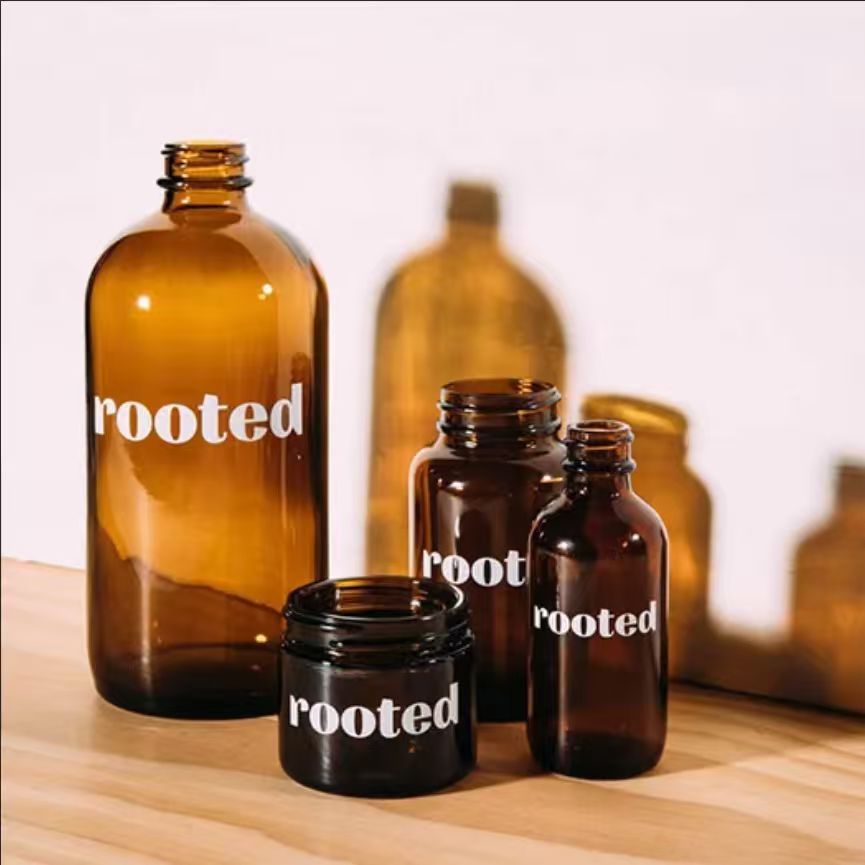
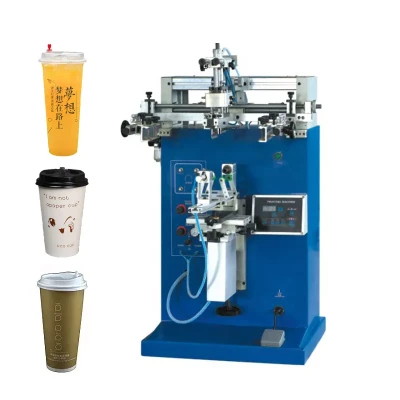
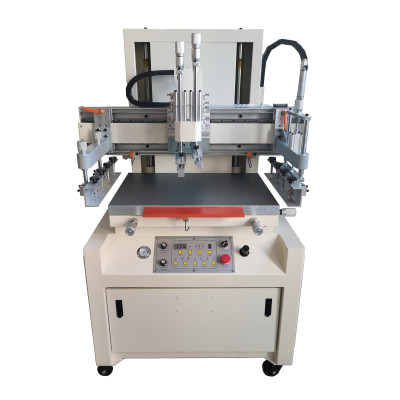
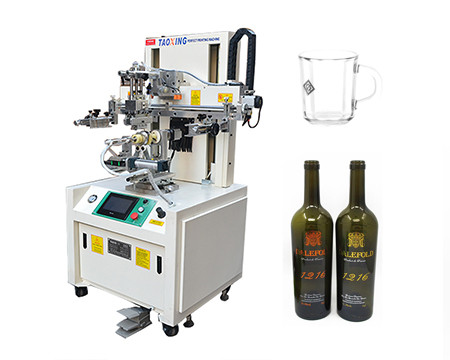
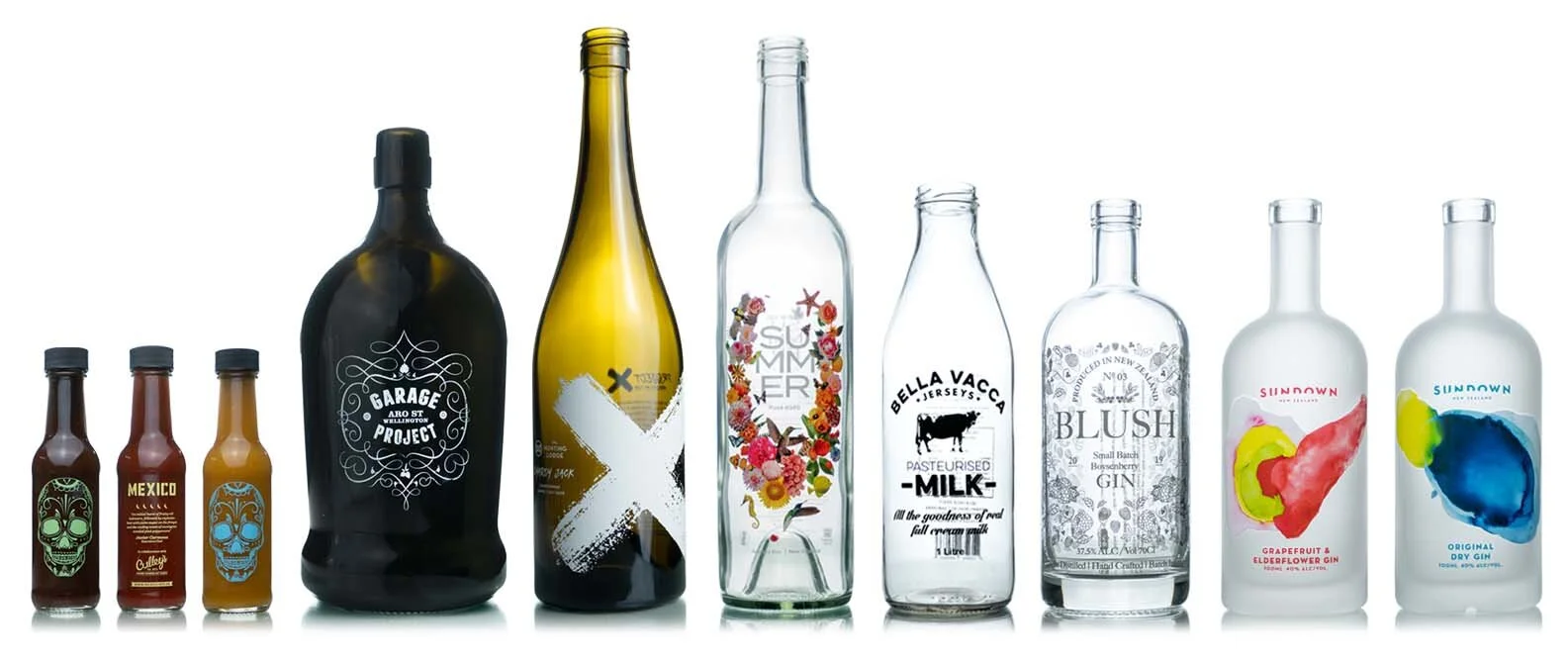
Choosing how to decorate cylindrical containers forces manufacturers to weigh two mature technologies. This guide compares a Bottle Screen Printing Machine with UV printing across quality, speed, cost, and sustainability, so teams can choose the right method for their materials and volumes. A Bottle Screen Printing Machine transfers ink through a fine mesh stencil directly onto curved surfaces such as glass, PET, and aluminum bottles. A flexible squeegee presses ink through open screen areas, building a thick, opaque film that conforms to the contour. Because each color is applied separately, bottle screen printing delivers exceptional coverage even on dark or frosted substrates, and it remains the benchmark for high-volume decoration worldwide. UV printing jets specially formulated inks cured instantly by ultraviolet light as they land on the surface. It requires no screens or clichés, enabling full-color, photo-realistic graphics and rapid job changes. Because curing happens on contact, there is virtually no drying time, making UV printing attractive for short runs, sampling, and personalized designs. Screen printing leads on opacity and abrasion resistance. The heavy ink deposit masks the bottle's original color and withstands repeated washing, rubbing, and chemical exposure. UV printing produces finer gradients and sharper detail thanks to high-resolution jets, but its thinner cured layer can scuff under harsh handling. For daily-use bottles, screen printing typically offers longer-lasting marks. Modern bottle screen printing presses achieve high cycles per minute once tooled, so they excel at long, repeat production runs. Setup takes longer because screens and fixtures must be prepared. UV printing switches designs in minutes and suits variable data, yet coated cylinders may need several passes for full opacity, which slows throughput on large orders. Screen printing carries higher upfront tooling costs for screens and fixtures, but unit cost falls sharply at scale, rewarding committed volume. UV printing keeps setup low and fits prototyping and small batches. CooPrinter supplies modular bottle screen printing platforms that let factories scale capacity without overspending on idle equipment. Traditional screen printing relied on solvent inks, but water-based and LED-curable alternatives now cut emissions. UV printing is low-VOC and energy efficient, though cured inks are harder to recycle. Both technologies keep shifting toward greener, compliant workflows. Choose bottle screen printing when you need tough, opaque decoration across millions of units. Opt for UV printing for short runs, intricate artwork, or frequent design changes. Many CooPrinter clients deploy both, using screen printing for core lines and UV for limited editions and custom requests. Neither method is universally superior. Evaluate durability, volume, artwork complexity, and budget before deciding. With reliable bottle screen printing equipment from CooPrinter, brands secure consistent, long-lasting, industrial-scale decoration that protects their identity on every shelf. Explore more equipment guides in our blog or browse the full product catalog.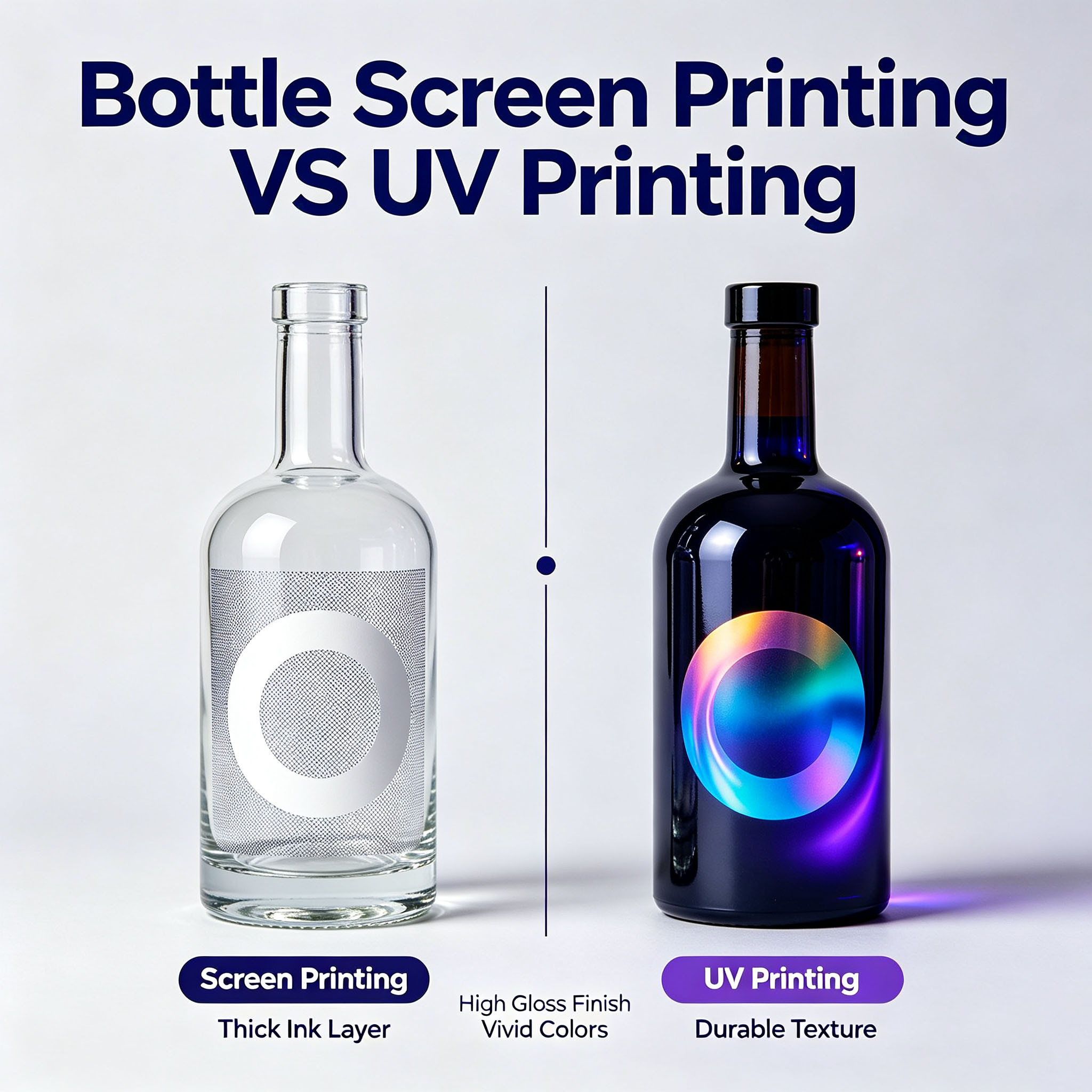
What Is Bottle Screen Printing?
What Is UV Printing?
Print Quality and Durability
Production Speed and Efficiency
Cost Comparison
Environmental Impact
Which Method Should You Choose?
Side-by-Side Comparison
Factor Bottle Screen Printing UV Printing Ideal volume Long, repeat runs Short runs and samples Color and detail Opaque solids, fewer colors Photo detail, full color Setup time Screens and fixtures Minutes, no screens Cost at scale Low per unit Higher per unit Durability Very high Good
Conclusion