Choosing Between Semi-Automatic and Automatic Machines
Introduction
When production volumes grow, choosing the right bottle screen printing machine becomes a decision that shapes both cost and quality. Many buyers hesitate between semi-automatic and fully automatic equipment. This guide explains the real differences so you can invest with confidence and avoid costly mistakes. We compare speed, labor, quality, and flexibility so the right choice becomes clear.
What Is a Semi-Automatic Bottle Screen Printing Machine
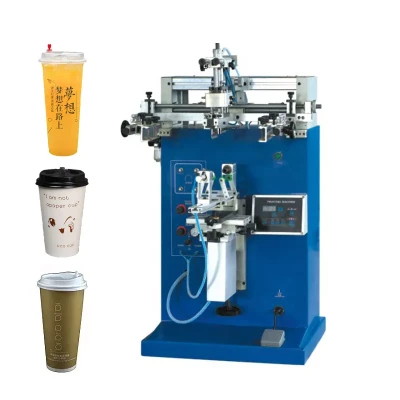
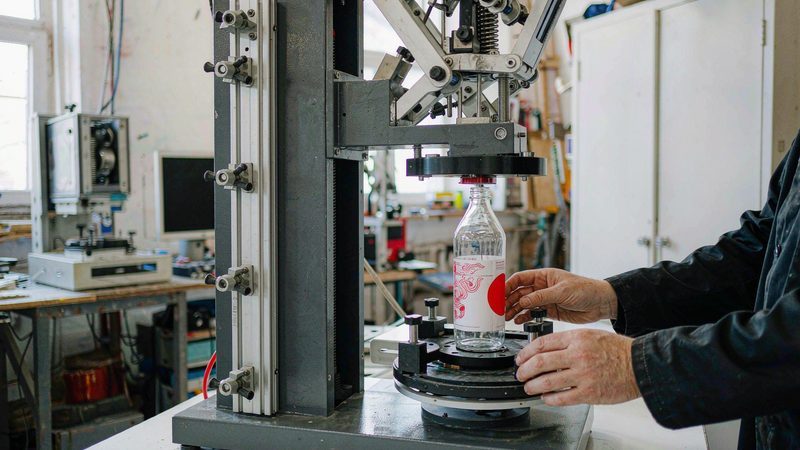
A semi-automatic unit relies on an operator for loading, unloading, and often triggering each print cycle. It is simple, affordable, and easy to maintain. Smaller workshops value it for short runs, sampling, and frequent design changes where flexibility matters more than raw speed.
What Is an Automatic Screen Printer
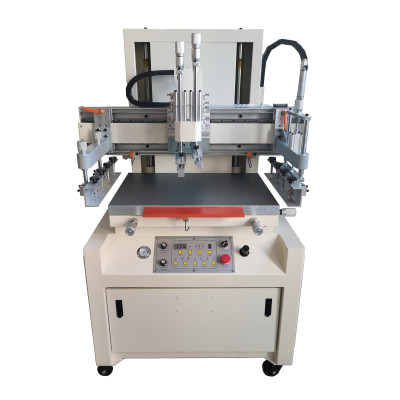
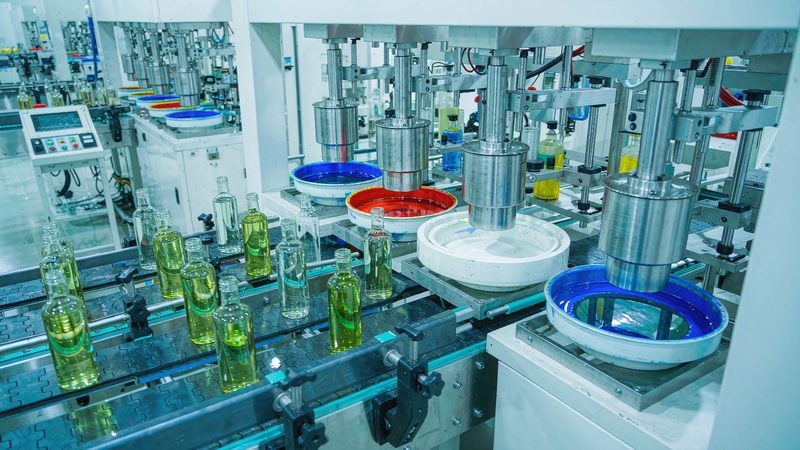
An automatic screen printer integrates feeding, printing, curing, and unloading into one continuous line. Once configured, it runs with minimal human intervention and delivers steady output hour after hour. Servo-driven indexing keeps each bottle perfectly aligned across long production shifts.
Output and Production Speed Compared
Speed is the clearest difference. A semi-automatic unit may handle a few hundred pieces per hour, while an automatic line can process thousands. If your daily demand keeps climbing, automation quickly pays for itself through saved labor and faster turnaround.
| Factor | Semi-Automatic | Automatic |
|---|---|---|
| Speed | Low to medium | High, continuous |
| Labor | One operator per station | Minimal supervision |
| Best for | Short runs, sampling | High-volume production |
Labor and Operating Costs
Semi-automatic machines need attentive operators, which raises labor cost as volume rises. Automatic systems reduce headcount per shift and lower per-unit labor. Over time, the automatic route often becomes the cheaper option once output reaches scale.
Print Quality and Consistency
Both approaches can produce sharp, durable prints. Automation, however, removes human variability, giving tighter registration and uniform ink coverage across long runs. That consistency is critical for brand-sensitive packaging where every bottle must look identical.
Flexibility for Different Batch Sizes
Semi-automatic equipment shines for customization and low-volume jobs. Automatic lines favor stable, high-volume production. Many factories keep both: a semi-automatic unit for trials and an automatic line for proven, repeat orders.
Key Factors to Consider Before Buying
Match the equipment to your actual demand, bottle shapes, and ink types. Consider floor space, training needs, and after-sales support before signing. A clear return-on-investment calculation should guide the final choice.
Production Volume
Estimate daily and yearly output to decide if automation is justified.
Bottle Geometry
Curved, tapered, or shaped containers need compatible fixtures and tooling.
Support & Spares
Choose a supplier with fast spare parts and responsive engineering help.
Why Manufacturers Trust CooPrinter
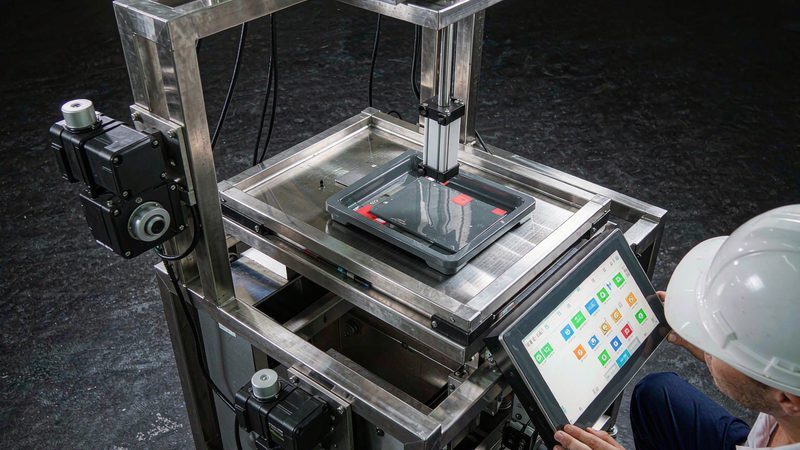
CooPrinter offers both semi-automatic and fully automatic screen printing solutions, backed by stable servo control and responsive engineering support. Customers choose CooPrinter for reliable uptime and fast spare-part service. CooPrinter's modular designs let you scale from manual trials to full automation without relearning the workflow.
Conclusion
Choosing between semi-automatic and automatic equipment depends on volume, budget, and growth plans. Start with your real demand, then select the bottle screen printing machine that fits today while leaving room to scale. Working with an experienced supplier ensures expert guidance at every step. For many teams, the automatic screen printer is the logical next investment. Explore the full equipment range to find the right model for your line.