Choosing the Right Ink for Bottle Screen Printing
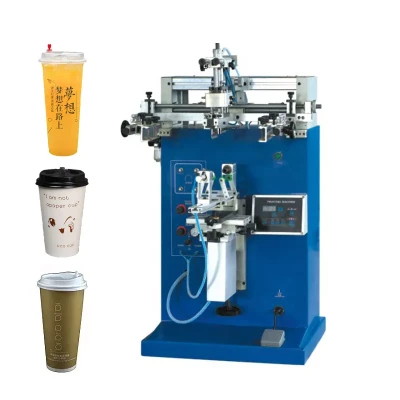
Choosing the right ink determines whether a printed bottle looks premium, survives shipping, and withstands daily handling. For anyone running a bottle screen printing machine, ink is not an afterthought; it is a core production decision that shapes quality and cost.
Why Ink Selection Matters for Bottle Printing
Bottle printing ink is the single factor that most affects adhesion, color vibrancy, and scratch resistance on curved containers. The wrong formulation peels at the neck, fades under sunlight, or fails an alcohol swatch test. The right one bonds to glass, PET, or PP and stays legible for the product's entire shelf life. Before scaling production, buyers should test the ink on the exact substrate and curing method they plan to use.
Main Ink Families for Bottle Printing
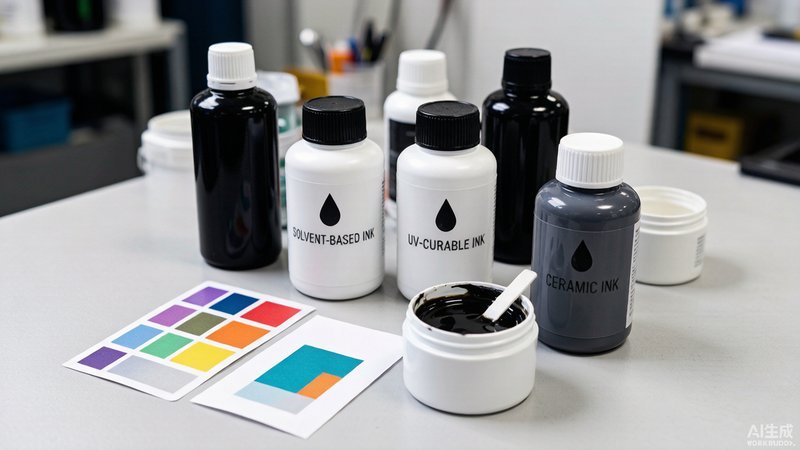
The three mainstream families serve different bottles, budgets, and compliance needs. Understanding each helps you specify the right formulation before ordering equipment or setting up a production line.
Affordable and flexible; dries by evaporation and suits many plastics.
Instant light cure with high gloss and strong chemical resistance.
Fires into glass for permanent, dishwasher-safe decoration.
Solvent-Based Ink vs UV-Curable Ink
Solvent-based bottle printing ink is cost-effective, flexible, and easy to print on PE and PP, but it needs ventilation and longer drying time. UV-curable ink cures in seconds, resists abrasion, and supports finer detail, though it costs more and requires a UV lamp in the machine. For high-mix, high-volume lines, many operators choose UV for speed and consistency.
Matching Ink to Substrate
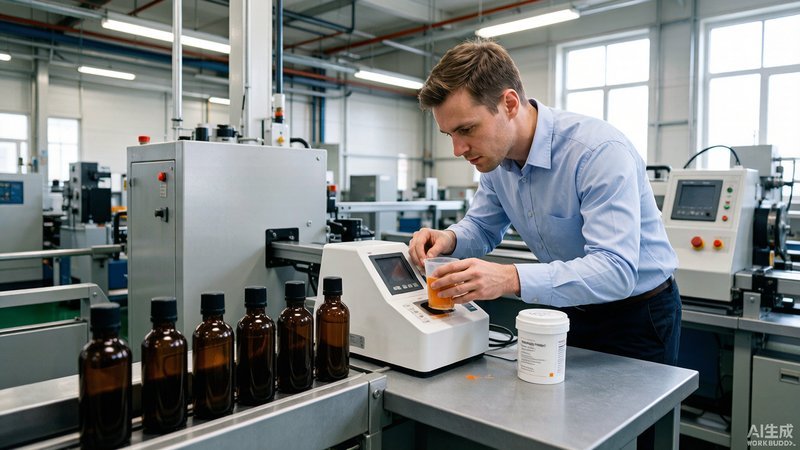
Glass, PET, PP, and PE each react differently to ink. Glass pairs well with ceramic or UV ink; PET accepts UV and some solvent systems after treatment; PP and PE need surface corona treatment before any ink will adhere. Mismatched pairs cause delamination, so always confirm the ink-to-substrate compatibility chart before ordering supplies.
Color Matching and Consistency
Brand colors must stay identical across batches and shifts. A spectrometer and managed color recipes let operators reproduce targets within tight tolerance. CooPrinter's control software stores ink formulas per job, so reruns match the first run. Consistent color protects brand recognition and reduces rejected bottles.
Durability and Curing
Durability depends on curing, not just ink chemistry. Under-cured UV ink stays tacky; under-baked ceramic ink chips. Verify cure with rub, boil, and chemical tests on production samples to guarantee lasting results.
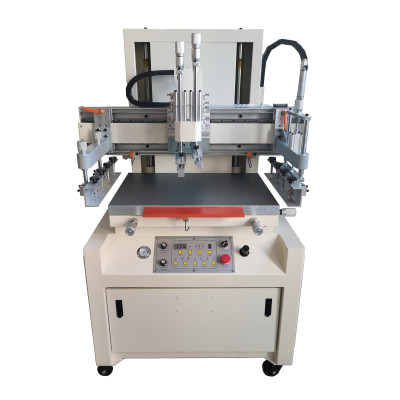
A stable bottle screen printing machine with controlled curing delivers repeatable, durable output batch after batch, which is essential for cosmetic and beverage brands that sell on appearance.
Why Work with CooPrinter
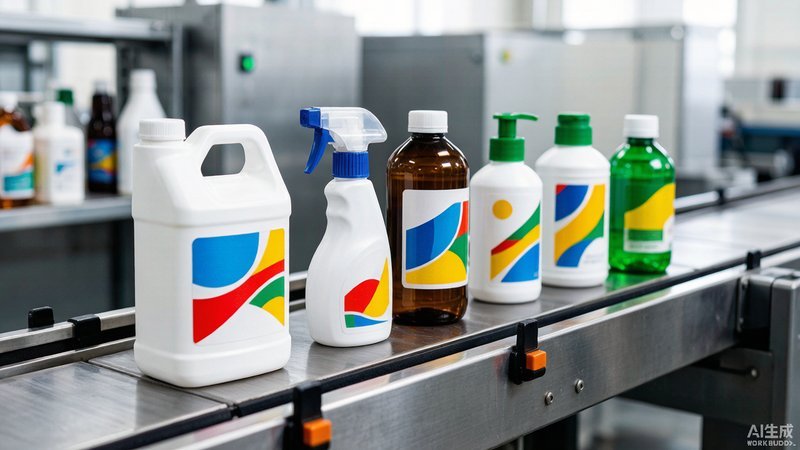
Trusted suppliers have refined curved-surface printing systems for global beverage and cosmetic clients for years. Our machines combine servo precision with ink-specific curing stations and intuitive recipe management, helping teams reach stable quality quickly. Built with industrial-grade components and backed by responsive support, the equipment is designed for continuous production rather than occasional demos.
Setup and Best Practices
Good results start with disciplined process control:
- Treat the substrate surface and verify the dyne level before printing.
- Load the matched ink and confirm viscosity.
- Run test prints and check adhesion and registration.
- Cure per specification and sample-test before full production.
Conclusion
Choosing the right bottle printing ink means matching chemistry to substrate, curing method, and brand durability needs. By pairing the correct ink with a reliable bottle screen printing machine and a proven partner like CooPrinter, manufacturers turn plain containers into lasting, shelf-ready branding.
For equipment guidance and ink compatibility advice, explore our printing solutions.