Curved Surface Screen Printing Technology: Innovation and Application Exploration
I. Basic Principles of Curved Surface Screen Printing
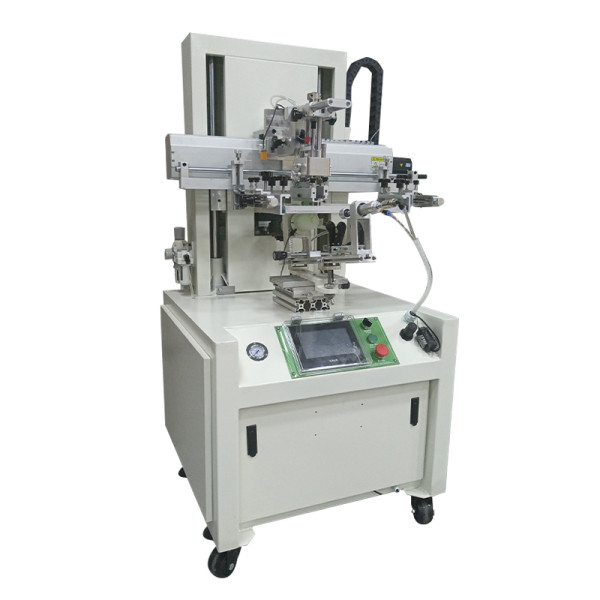
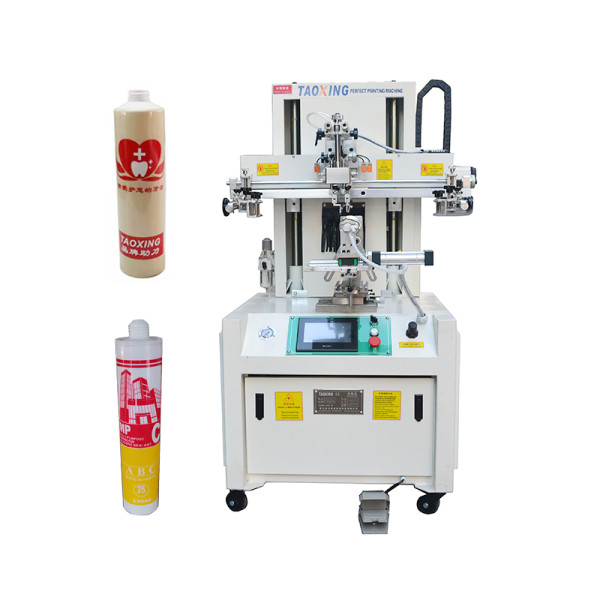
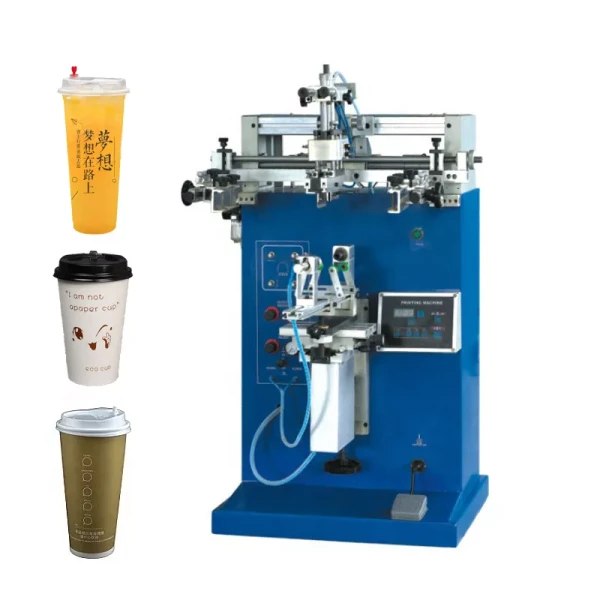
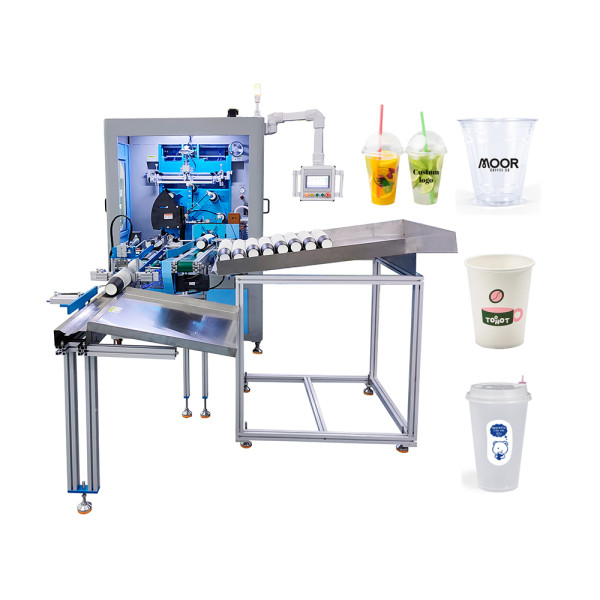
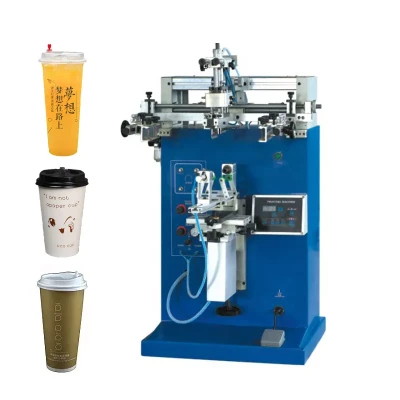
Curved surface screen printing is a special printing process that breaks through the limitations of traditional planar printing, enabling the transfer of intricate patterns onto the surfaces of three-dimensional objects such as cylinders and spheres. The core of this technology lies in using a flexible screen and special inks, with the ink being transferred through the mesh onto the curved substrate by the pressure of a squeegee. Compared to planar printing, curved surface printing requires precise control of the contact angle and pressure between the screen and the substrate to ensure uniform ink distribution without deformation. Modern curved surface printing equipment is typically equipped with automatic alignment systems and multi-axis motion control, capable of handling products with various complex shapes, such as glass bottles, plastic containers, and metal pipes.
II. Key Equipment and Technical Points
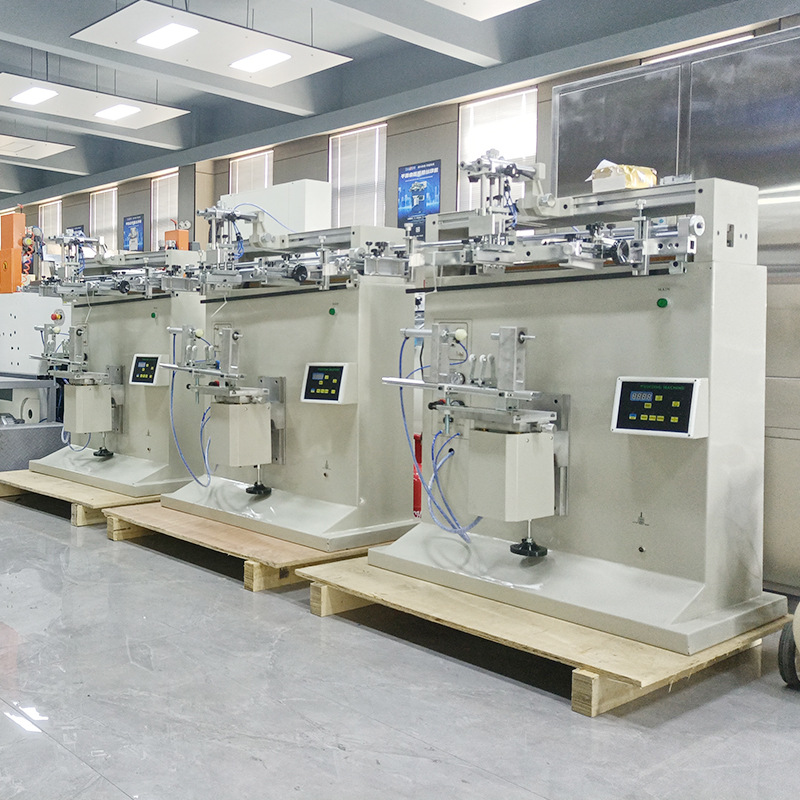
The core components of a curved surface screen printing system include a specialized curved surface printing machine, a flexible screen, an ink system, and a drying device. Among these, screen fabrication is particularly crucial, requiring calculations of screen deformation based on the product's curvature to ensure the image maintains the correct proportions after unfolding on the curved surface. During printing, the squeegee angle is generally controlled between 60-75 degrees, and the pressure needs to be adjusted according to the substrate material. For high-precision electronic products (such as mobile phone buttons and dashboards), UV-cured inks are typically used. These inks cure within seconds under ultraviolet light, significantly improving production efficiency and printing accuracy. Furthermore, multi-color overprinting technology allows curved products to exhibit rich color gradations.
III. Selection of Commonly Used Materials and Inks
Curved surface printing can be applied to a variety of materials, including glass, ceramics, plastics, metals, and certain composite materials. Specialized ink series must be selected for different materials.
Glass ceramics: using high-temperature sintered glass glaze.
Plastic products: Use solvent-based or UV-based plastic inks
Metal surfaces: mostly epoxy resin-based or polyurethane-based inks
Electronic products: conductive silver paste or insulating ink
In recent years, environmentally friendly water-based inks and UV-LED curing technology have been widely used in curved surface printing, offering advantages such as low VOC emissions and low energy consumption. Special effect inks, such as thermochromic, photochromic, and metallic inks, also provide more creative possibilities for product design.
IV.Industry Applications and Typical Cases
Curved screen printing technology has penetrated into multiple industrial sectors:
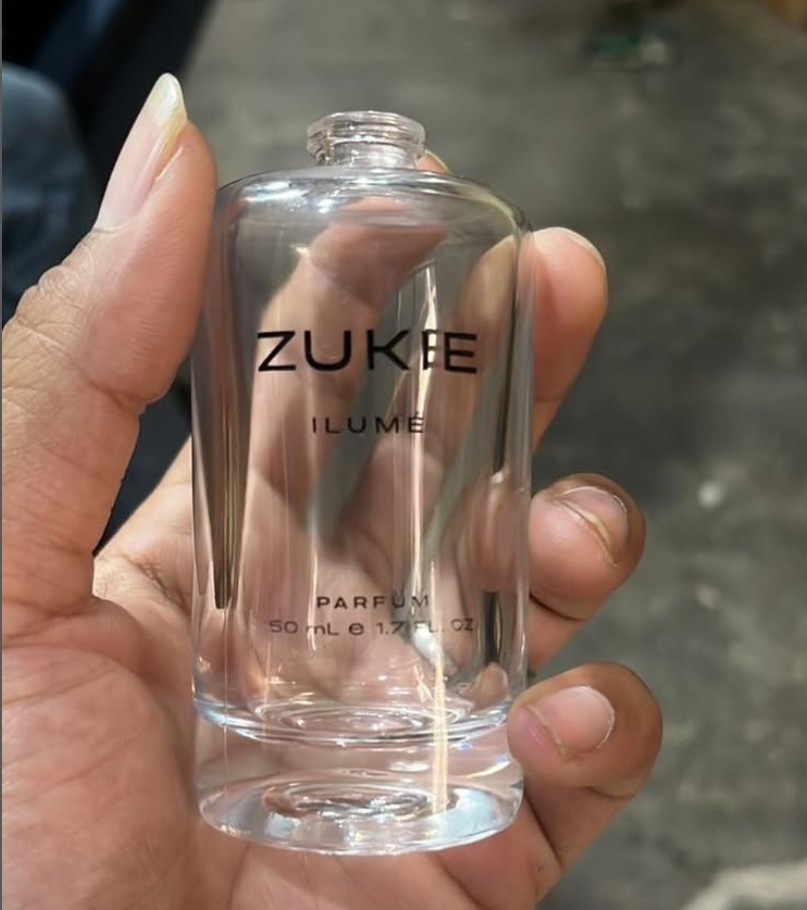
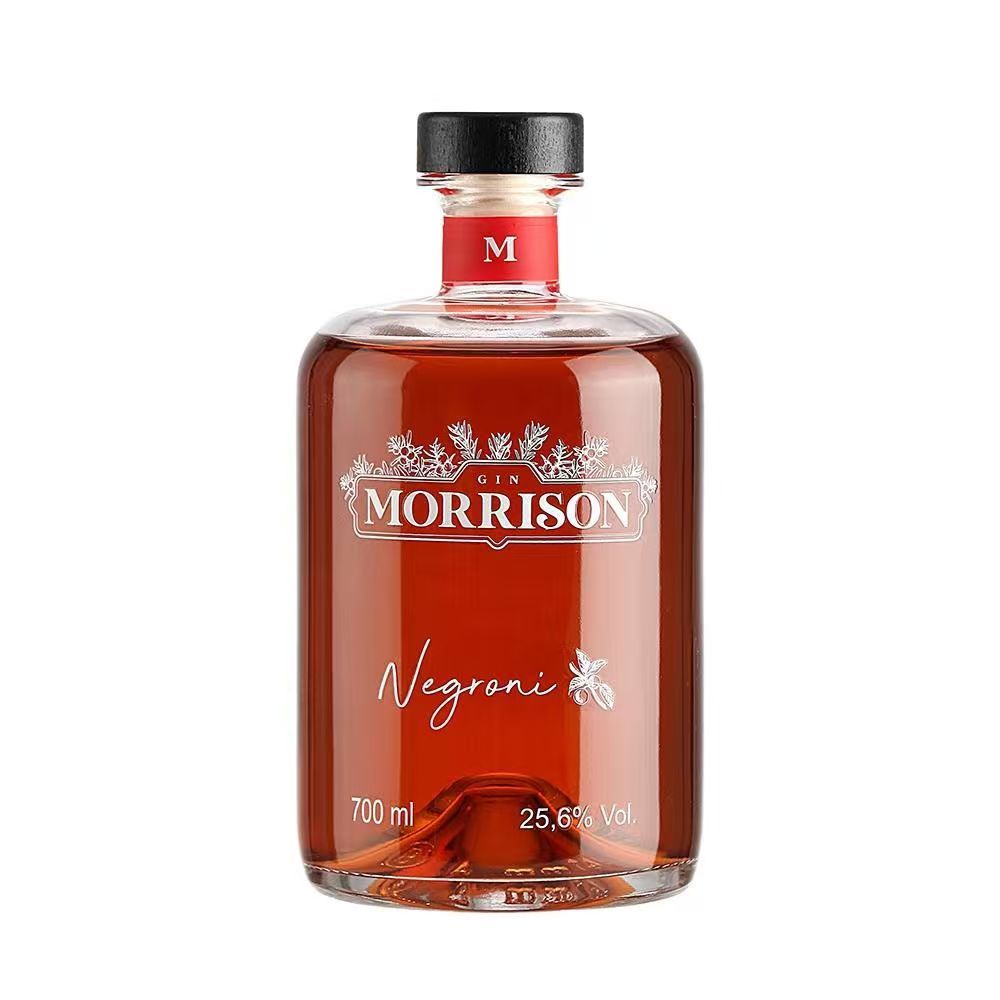
Packaging industry : High-end decorative printing for wine bottles and cosmetic containers, including gradient colors and 3D effects.
Electronics industry : Precision printing on mobile phone casings, keyboard characters, and touchscreen edges
Automobile manufacturing : Functional printing of dashboards and control buttons
Home Furnishings : Personalized customization of ceramic products such as mugs and vases
Medical devices : Syringe markings and reagent labeling printing
One successful example is a high-end cosmetics brand that used curved surface printing technology to achieve multi-layered printing of metallic texture and pearlescent effect on its glass bottles, making the product significantly different from its competitors on the shelf.
V. Future Development Trends and Challenges
With the growing demand for personalized and functional surface treatments in the manufacturing industry, curved screen printing technology is developing towards intelligence and green practices. Fully automated vision alignment systems will further improve the accuracy of multi-color printing; the application of nanomaterials may lead to the development of smart inks with special functions such as antibacterial and self-cleaning properties. At the same time, the industry also faces challenges such as increasingly stringent environmental regulations and a shortage of skilled workers. In the future, curved printing technology may integrate with emerging technologies such as digital printing and 3D printing, creating more cross-industry applications. For enterprises, investing in environmentally friendly equipment and cultivating multi-skilled talent will be key to maintaining competitiveness.