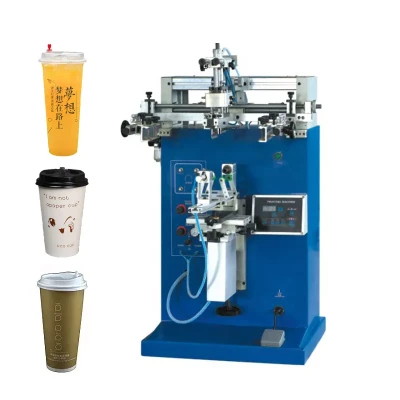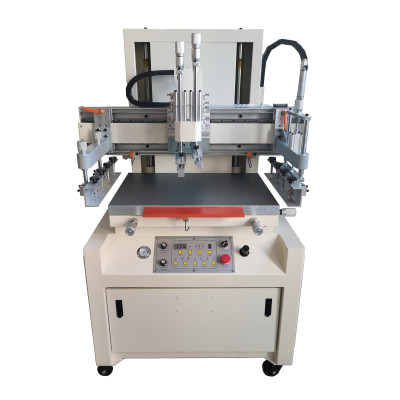
Curved screen printing technology: a powerful tool for revolutionizing customized manufacturing across multiple industries.
I. Technical Introduction: What is curved screen printing?
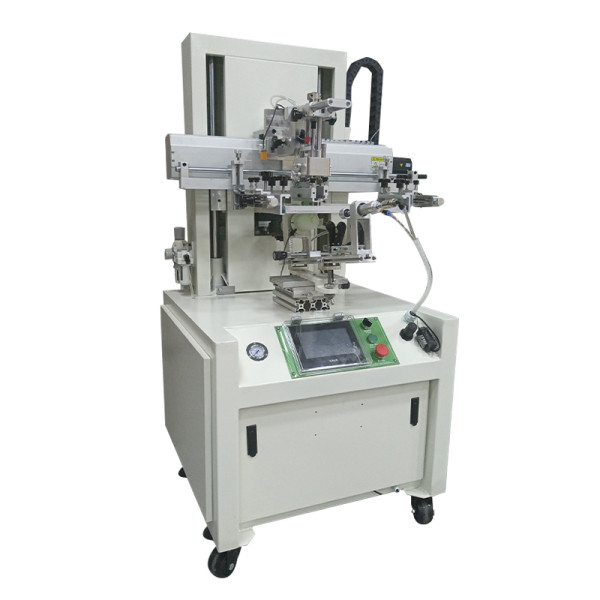
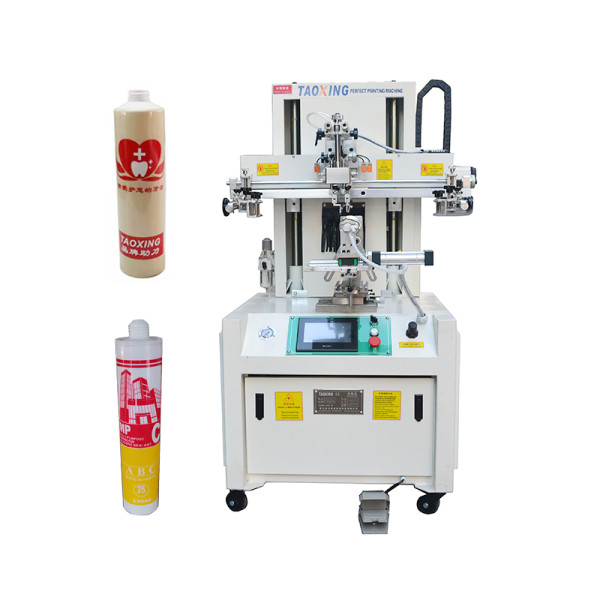
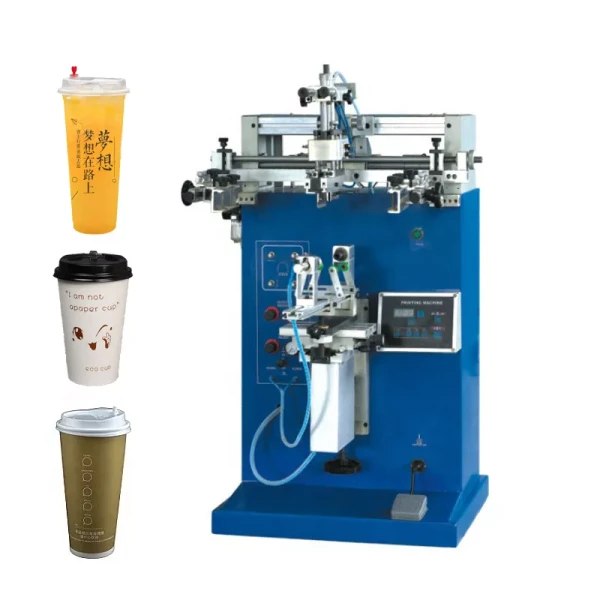
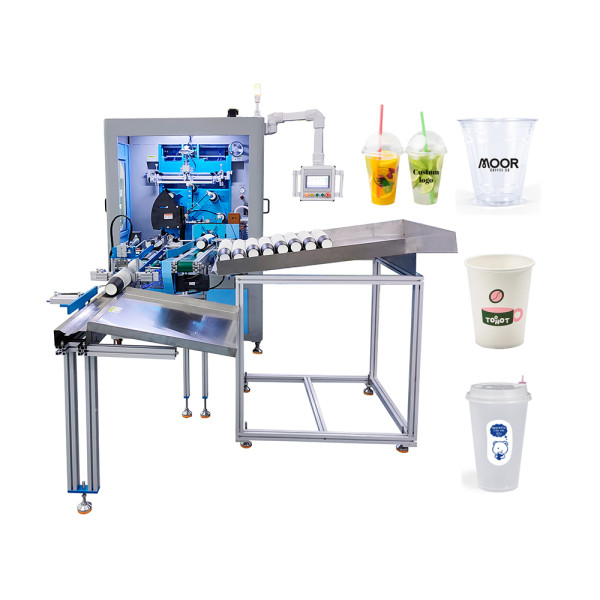
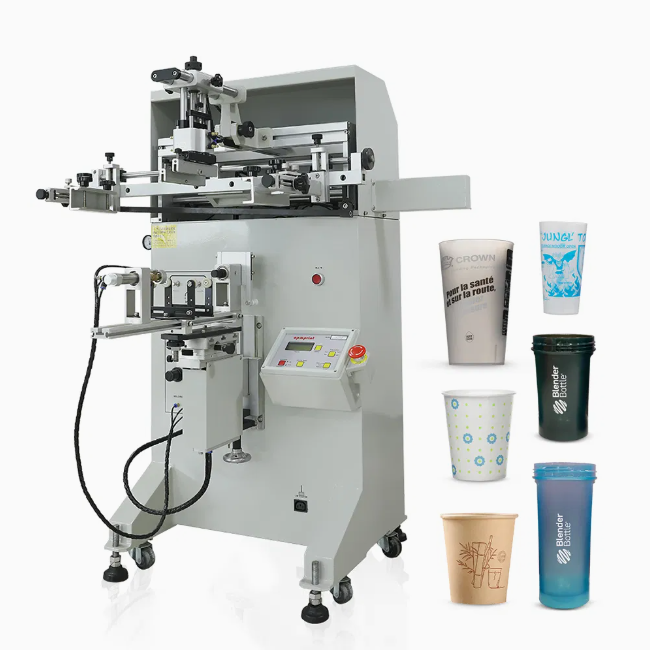
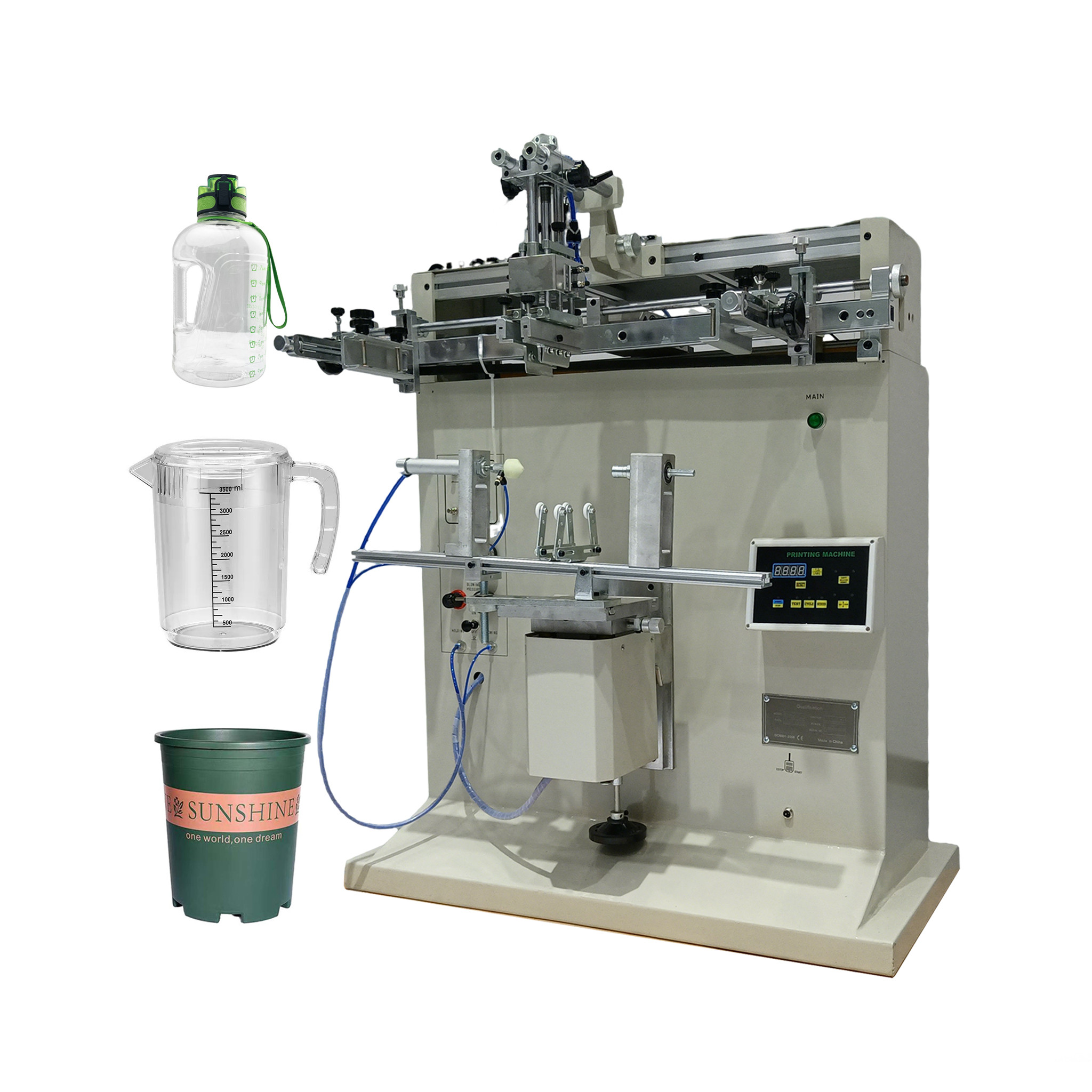
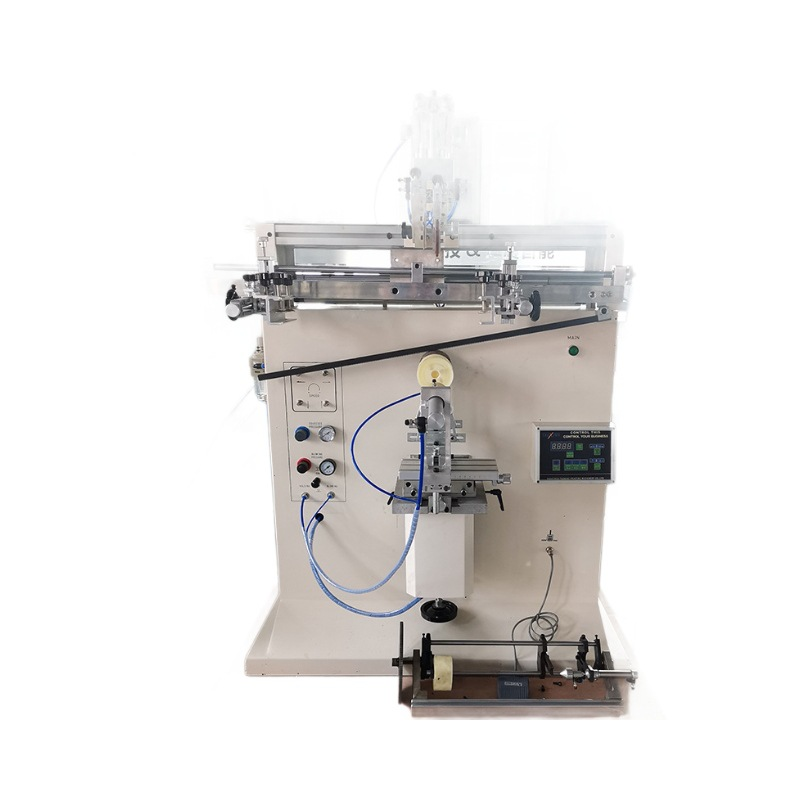
Curved surface screen printing is an important branch of screen printing technology. Its core principle involves placing a specially designed screen tightly against the surface of the substrate, and using squeegee pressure to force ink through the mesh, transferring it onto the curved object. Compared to traditional flat printing, it achieves high-quality, high-efficiency pattern printing and coating processing on three-dimensional objects such as bottles, cosmetic jars, pen barrels, and electronic product casings through precise fixtures and motion control.
II. Core Advantages: Why can it bring great convenience?
The most prominent advantage of this technology lies in its strong adaptability and high cost-effectiveness. It can operate stably on curved surfaces of various materials such as glass, plastic, metal, and ceramics, enabling the printing of complex patterns, fine text, and gradient colors. Simultaneously, it combines efficiency and cost advantages, making it suitable for small to medium batch and even large-scale customized production, and producing thick ink layers with strong adhesion and high durability. This endows products with unique visual effects and additional functions, such as insulating layers and conductive lines.
III.Application Sector and Industry Innovation
1. Cosmetics and Daily Chemical Packaging Industry
This is the most classic application area for curved surface printing. Whether it's high-end perfume bottles, skincare cream jars, or lipstick tubes, exquisite logos and decorative patterns greatly enhance the product's appearance and brand recognition. The technology enables stable color printing on tiny, irregularly shaped containers, meeting the industry's almost demanding requirements for packaging aesthetics.
2. Electronics, electrical appliances, and automobile manufacturing
In terms of functional applications, this technology shines. For example, it can be used to print scales and markings on various switches, knobs, and instrument panels; and to print functional patterns on car dashboards, interior parts, and even glass. It not only provides clear visual information but can also print special inks (such as conductive silver paste) for manufacturing flexible circuits or RFID tags.
3. Medical devices and sporting goods
In the medical field, printing clear, sterile-resistant graduations and markings on test tubes and vials is crucial. Sporting goods such as golf balls, racket handles, and bicycle accessories also utilize curved printing to achieve anti-slip textures, brand logos, and personalized designs, balancing functionality and aesthetics.
4. Stationery, gifts, and specialty products
From pen barrels to commemorative cups, from musical instruments to household utensils, curved surface printing endows countless products with unique personalized decoration and artistic value, and is a reliable technical support for the customized production of small-batch creative products.
Conclusion.
In conclusion, curved screen printing technology acts as a bridge, seamlessly connecting creative design with industrial production. With its irreplaceable technological characteristics, it continuously drives numerous industries, including packaging, electronics, automotive, and medical, towards more aesthetically pleasing, personalized, and functional designs. With innovation in ink materials and increased automation, this traditional yet dynamic technology will undoubtedly play an even more sophisticated and crucial role in future intelligent manufacturing, imbuing the surfaces of more products with soul and value.