Future Trends in Bottle Screen Printing: Technology & Automation
Screen printing on bottles is changing faster than ever. The modern Bottle Screen Printing Machine now blends servo control, connected sensors, and cleaner inks, reshaping how brands decorate cylindrical packaging. From cosmetics to beverages, decoration also doubles as brand storytelling, so the press is a strategic buy rather than a line item. This article maps the Industry Trends worth watching before you invest.
Why Industry Trends Shape the Bottle Printing Market
The modern Bottle Screen Printing Machine is no longer a simple manual press. Shifts in sustainability rules, labor costs, and e-commerce packaging push makers to rethink glass, plastic, and aluminum decoration. Tracking these Industry Trends helps buyers avoid dated equipment and choose presses that stay competitive for years. Falling component prices also put advanced features within reach of mid-size shops.
Smarter Automation and Robotics
Automation is the clearest direction. New lines use servo-driven carousels and robotic loading to print thousands of bottles per hour with few operators. Vision systems reject misaligned prints on the fly, cutting waste. For contract decorators, this means steady quality across long campaigns without scaling headcount.
Regulators and buyers both want lower emissions. Water-based and UV-LED inks now rival solvent inks for durability while removing harmful fumes. Recyclable mono-material bottles pair well with these inks, letting brands claim real sustainability. Expect low-VOC chemistry to become standard rather than a premium upgrade.
Digital-Screen Hybrid Workflows
Pure digital printing wins on personalization but struggles with opaque, tactile coverage on curves. Hybrid lines combine digital pre-decoration with a screen pass for spot gloss, metallics, or braille. This flexibility suits limited editions and seasonal SKUs without losing the signature screen-print feel. It also shortens lead times when a label change would otherwise stall a launch.
IoT Monitoring and Predictive Maintenance
Connected presses stream output, ink temperature, and mesh wear to dashboards. Managers catch drift before defects appear and plan service during downtime. Some platforms even push alerts to a technician's phone before a fault triggers stoppage. Over a year, this telemetry typically raises overall equipment effectiveness while shrinking emergency repairs.
Adaptive Automation
Robotic loading and vision checks hold quality steady as volumes rise.
Cleaner Inks
Low-VOC, water-based chemistry meets both law and buyer expectations.
Connected Lines
IoT telemetry flags wear early, protecting uptime and output.
Higher Precision on Curved Surfaces
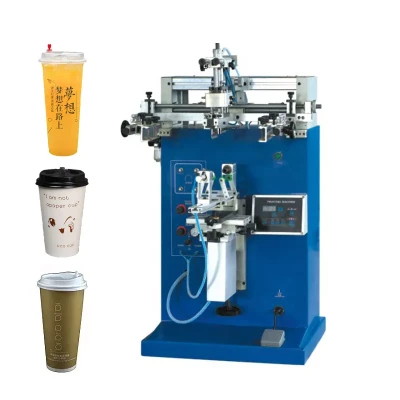
Mechanical refinements—air-bearing mandrels, finer servo control, and adaptive squeegee pressure—deliver sharper registration on tapered and asymmetric shapes. Decorators can now handle cosmetic droppers and conical cups that once needed labels, opening premium segments. This precision also reduces the need for secondary decoration steps downstream.
How CooPrinter Stays Ahead
CooPrinter builds these advances into its curved-surface press range, pairing servo precision with open IoT links and quick-change tooling. Plants running CooPrinter lines report faster changeovers and lower scrap, backed by responsive engineering support. Modular upgrades let existing owners add automation as demand grows.
Conclusion
Bottle printing is moving toward cleaner, smarter, and more connected production. Brands that choose adaptable Bottle Screen Printing Machine platforms today will absorb tomorrow’s Industry Trends without costly replacements. Browse the latest models to see which upgrades fit your line.