How Does a Curved Screen Printing Machine Work?
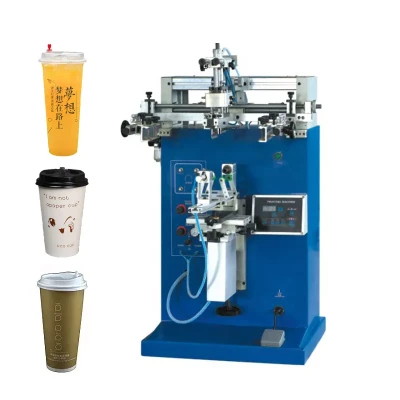
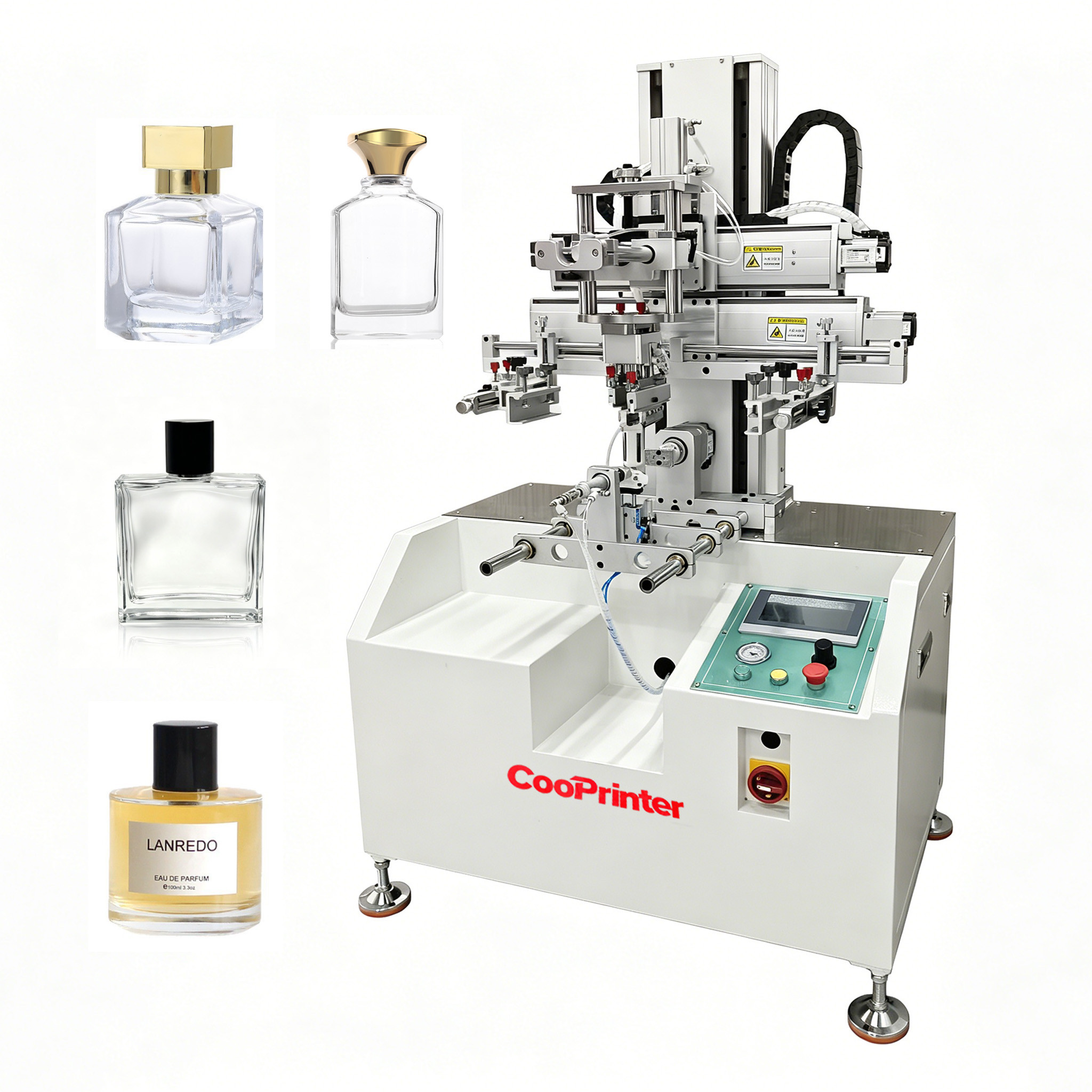
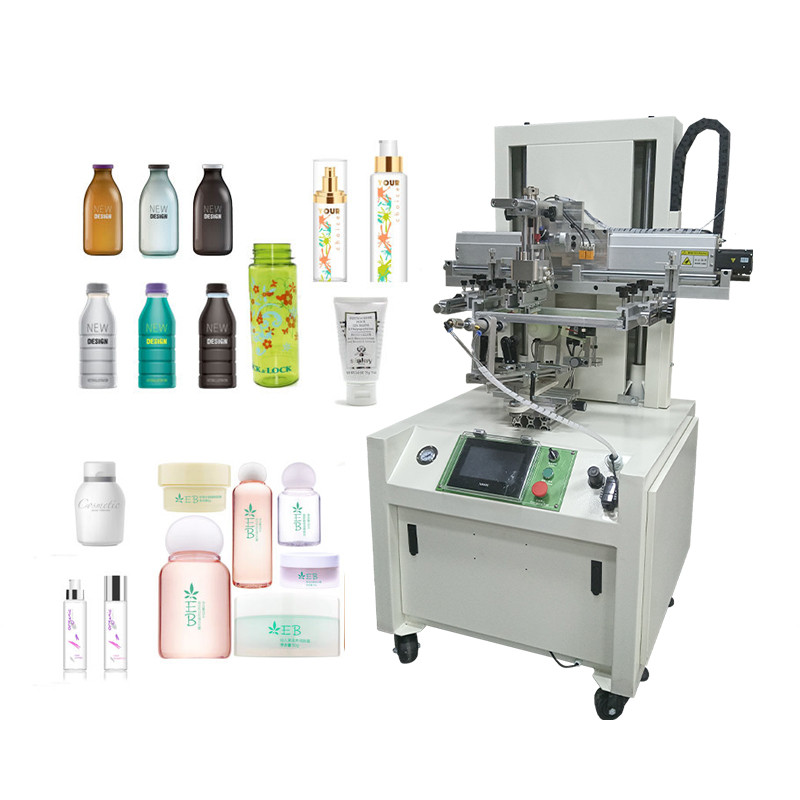
A curved screen printing machine is specialized equipment designed to transfer ink onto cylindrical and conical surfaces. Unlike flatbed printing, this technology enables precise decoration on bottles, cups, and tubes. Understanding how it works helps manufacturers choose the right equipment and optimize production quality across diverse packaging applications. A curved screen printing machine prints graphics, text, and logos onto round or tapered objects by rotating the substrate beneath a stationary mesh screen. The machine synchronizes screen movement with substrate rotation, ensuring continuous ink transfer across the entire curved surface without distortion or gaps in the printed design. Key components include the mesh screen, squeegee assembly, substrate fixture known as a mandrel, servo drive system, and control panel. The mesh screen carries the stencil design, while the squeegee forces ink through open mesh areas. Servo motors ensure consistent rotation speed and precise positioning throughout every print cycle for repeatable accuracy. The process begins with loading the substrate onto the mandrel. The screen lowers onto the curved surface, and the squeegee applies pressure while the mandrel rotates synchronously. Ink passes through the mesh stencil onto the rotating surface. After printing, the screen lifts and the substrate is removed for curing through UV or thermal drying methods. In cylinder printing, the relationship between squeegee angle, pressure, and rotation speed determines print quality. The squeegee maintains consistent contact force as the substrate rotates, forcing ink evenly through the mesh. Excessive pressure causes ink bleeding, while insufficient pressure leaves incomplete transfers on the curved surface, making calibration essential. Modern machines use servo-driven registration systems that achieve positioning accuracy within 0.05mm. Multi-color printing requires precise alignment between each color station. The control system stores job parameters, enabling repeatable results across production runs. Advanced servo controls deliver consistent multi-color registration on every cylindrical substrate with minimal operator adjustment. Curved screen printing serves diverse industries worldwide. Beverage companies print logos on glass and plastic bottles. Cosmetic brands decorate tubes and jars with vibrant designs. Pharmaceutical manufacturers print dosage information on cylindrical containers. The technology handles glass, plastic, metal, and ceramic materials using specialized ink formulations tailored to each surface. CooPrinter manufactures curved screen printing machines engineered for reliability and precision. Their equipment features quick-change mandrels, intuitive touchscreen controls, and robust servo systems. With customizable configurations for different substrate sizes, the manufacturer helps businesses achieve high-quality cylinder printing with minimal setup time and maximum production throughput. A curved screen printing machine combines mechanical precision with controlled ink transfer to decorate cylindrical products effectively. Understanding the squeegee interaction, registration systems, and component synergy helps manufacturers optimize their printing operations. By selecting proven equipment from CooPrinter, businesses can ensure consistent, professional results across diverse industrial applications and material types.Introduction: Understanding Curved Screen Printing
What Is a Curved Screen Printing Machine?
Core Components That Power the Process
Step-by-Step Working Process
The Squeegee and Screen Interaction in Cylinder Printing
Precision Registration and Control Systems
Common Applications Across Industries

Why CooPrinter Stands Out in Curved Printing
Conclusion