How To Set The Screen Printing Mesh Tension Value
Screen printing is a widely used technology in the printing industry, and one of its key aspects is setting the screen tension value. A suitable screen tension value not only ensures print quality but also improves production efficiency and reduces material waste. So, how do you set the screen tension value in screen printing? This article will introduce this from three aspects: core influencing factors, setting tools, and steps.
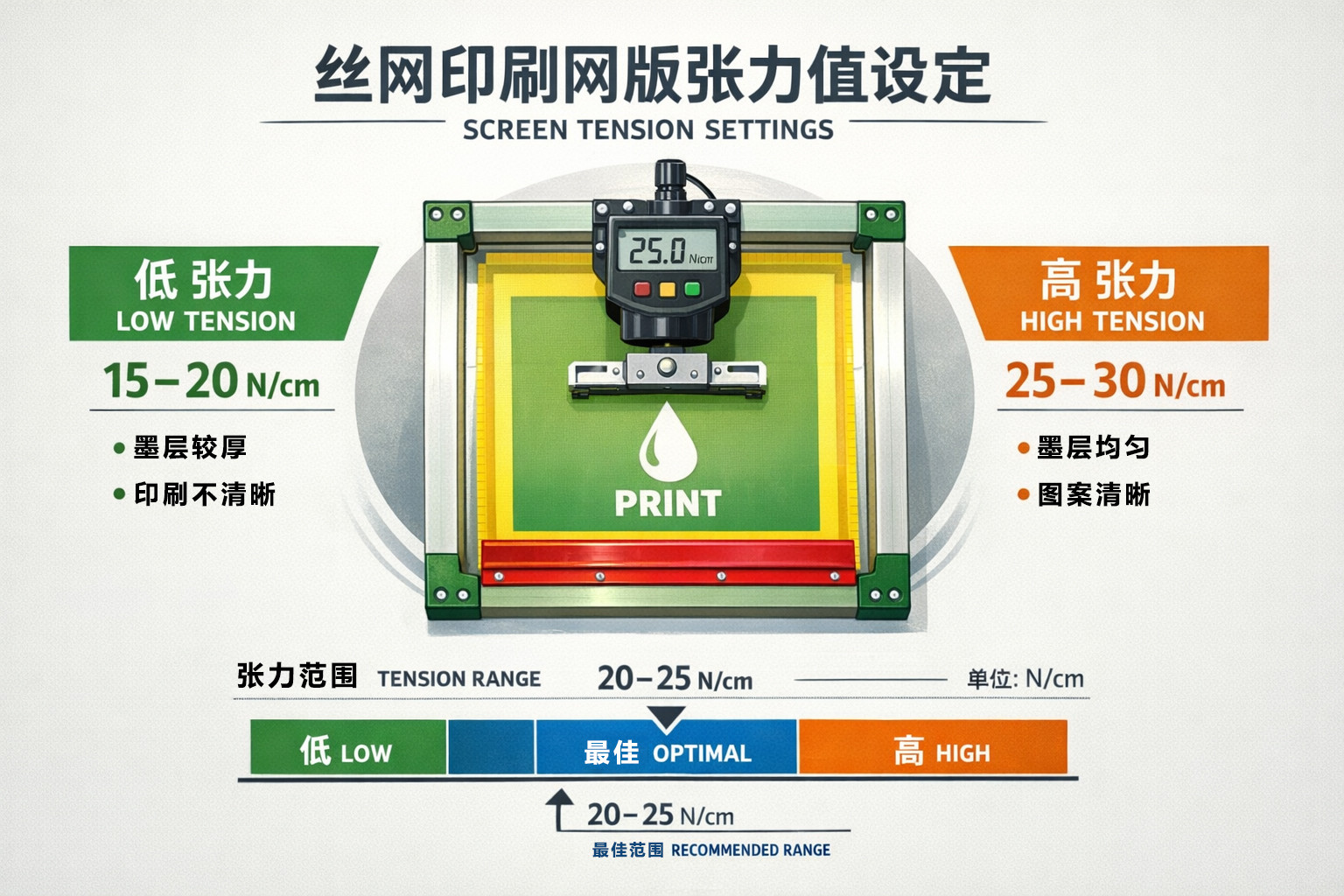
I. Core Influencing Factors
1. The material and specifications of the screen mesh
vary. Screen meshes made of different materials, such as polyester and nylon, have different moduli of elasticity and tensile strengths, thus requiring different tension levels. Furthermore, the specifications of the screen mesh (such as mesh size) also affect the tension selection. Finer meshes generally require a higher tension value to ensure the precision of the pattern details.
2. Different printing equipment and processes have
different requirements for screen tension. For example, high-speed printing presses require higher screen tension to ensure image clarity and screen stability during printing. Conversely, fine patterns or large-area printing require lower tension to prevent screen tearing or ink overflow.
3. The type and viscosity of printing inks
significantly affect the required screen tension. Higher viscosity inks typically require higher tension to ensure smooth passage through the screen. Lower viscosity inks, on the other hand, have less stringent tension requirements.
II. Setting up Tools and Equipment
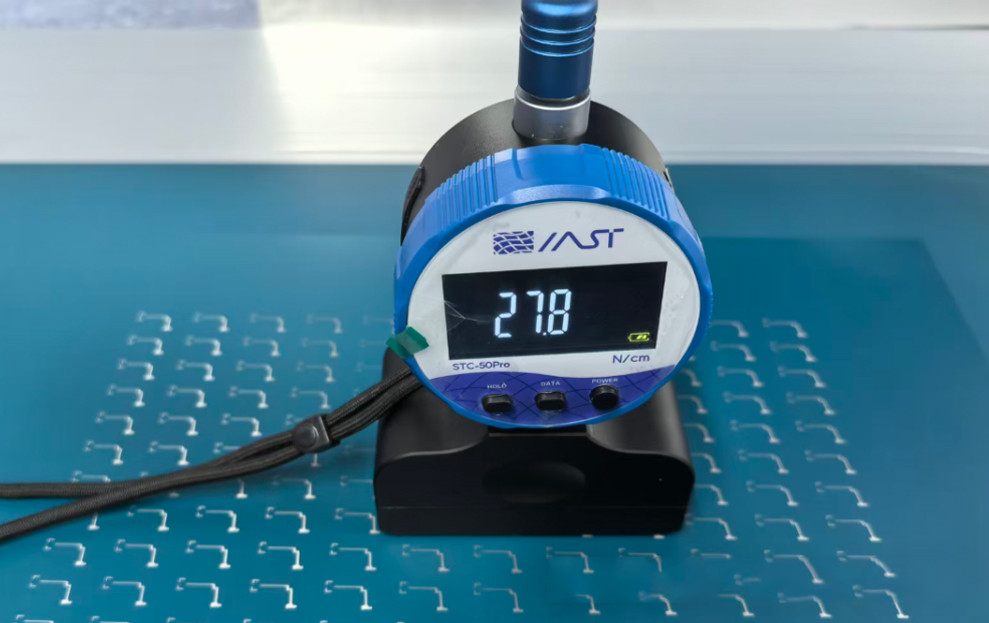
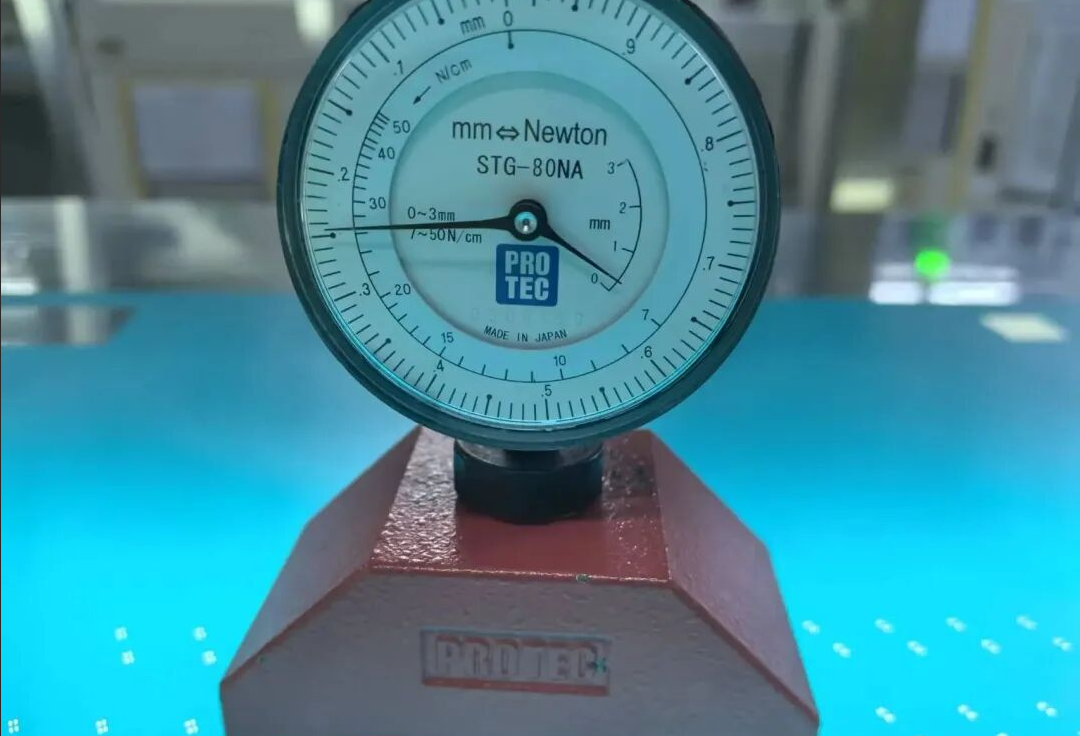
To accurately set the tension value of the screen printing plate, a professional tension tester is usually required. These testers can precisely measure the stretch of the screen printing plate under applied tension, thus helping the operator adjust it to the desired tension level. Commonly used tension testers include:
1.Tension meter: It measures the tension of the screen to obtain the actual tension value of the screen.
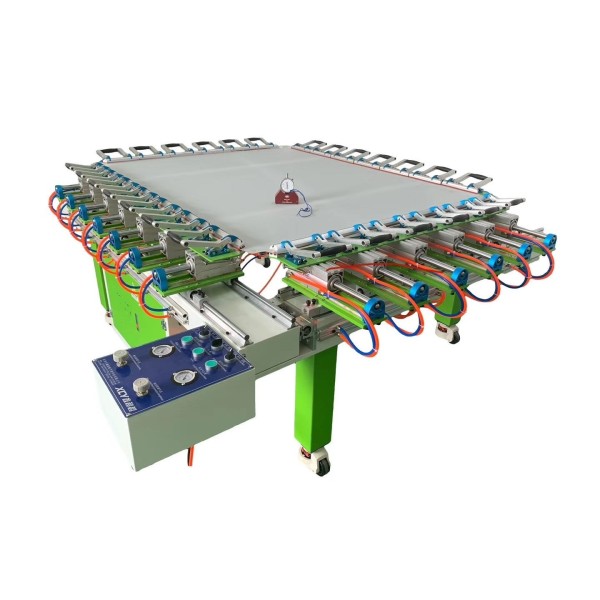
2. Tension adjustment tool: This tool helps the operator adjust the tension of the wire mesh to ensure that it meets the process requirements.
III. Setup Steps
1. Choosing the appropriate screen material and specifications
depends on the printing requirements and ink type. Generally, finer meshes require higher tension to ensure clarity of details.
2. Install the screen
by securing it to the frame of the printing press. During installation, ensure the screen is flat and free of wrinkles or deformation.
3. Begin testing the screen tension using a tension meter
Measure the screen tension with the tension meter and adjust the screen tension to the set range as needed. Common screen tension ranges are 20 N/cm to 40 N/cm; the specific value should be adjusted according to printing requirements.
4. If thetension is too high or too low, use a tension adjustment tool to make appropriate adjustments. Keep the screen within the set tension range to ensure stable print quality.
5. After repeated testing and verification
adjustments, repeat the tension test until the optimal value is reached. At this point, sample printing can be performed to check the printing effect and ensure that the screen tension has minimal impact on the final pattern.
Conclusion
Setting the screen tension is a crucial step in screen printing. Properly setting the screen tension can not only improve print quality and extend equipment lifespan but also reduce production costs. This article aims to help you better understand how to set the screen tension value for more precise and efficient screen printing.