How to store screen printing inks? Six key points for ink storage and management.
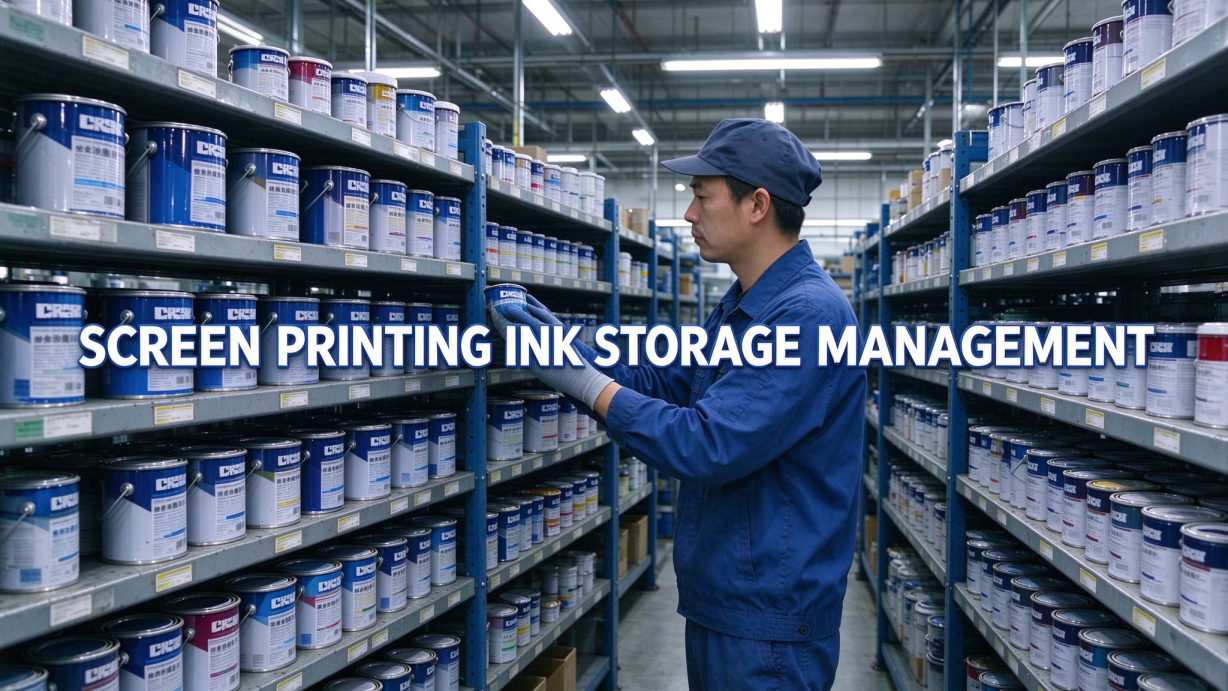
Ink is one of the most consumed consumables in screen printing workshops. Once the screen printing machine is running, ink is continuously consumed. A single can of ink is not cheap, and improper storage or use can lead to skinning, deterioration, color differences, and screen clogging, all of which waste profits. Ink management is not just the responsibility of the warehouse; every step, from receiving, storing, and opening to the recycling of leftover ink, requires careful attention. Today, we will explain how to store and manage screen printing ink from six key points.
I. the ink must be stored in a suitable environment.
Inks should be stored in a cool, dry, ventilated, and light-protected warehouse or storage area. The ambient temperature should generally be maintained between 5 and 25°C. Avoid direct sunlight and keep away from heat sources, fire sources, and electrical equipment. UV inks, in particular, must be kept away from light. Excessive temperature will accelerate ink deterioration and solvent evaporation. In winter, attention should also be paid to preventing freezing. Please refer to the product instructions for specific details.
II. Ensure proper sealing after opening.
Take only the amount of ink you need. After taking the ink, immediately tighten and seal the lid of the container or can. Keep the opening of the container or can clean to prevent dried ink skin and dust from falling into the container. If the ink is exposed to the air for a long time, the surface will form a skin and the viscosity will increase after the solvent evaporates. The ink skin must be removed first to prevent the ink skin from mixing into the ink and causing screen blockage (as shown in Figure 1).
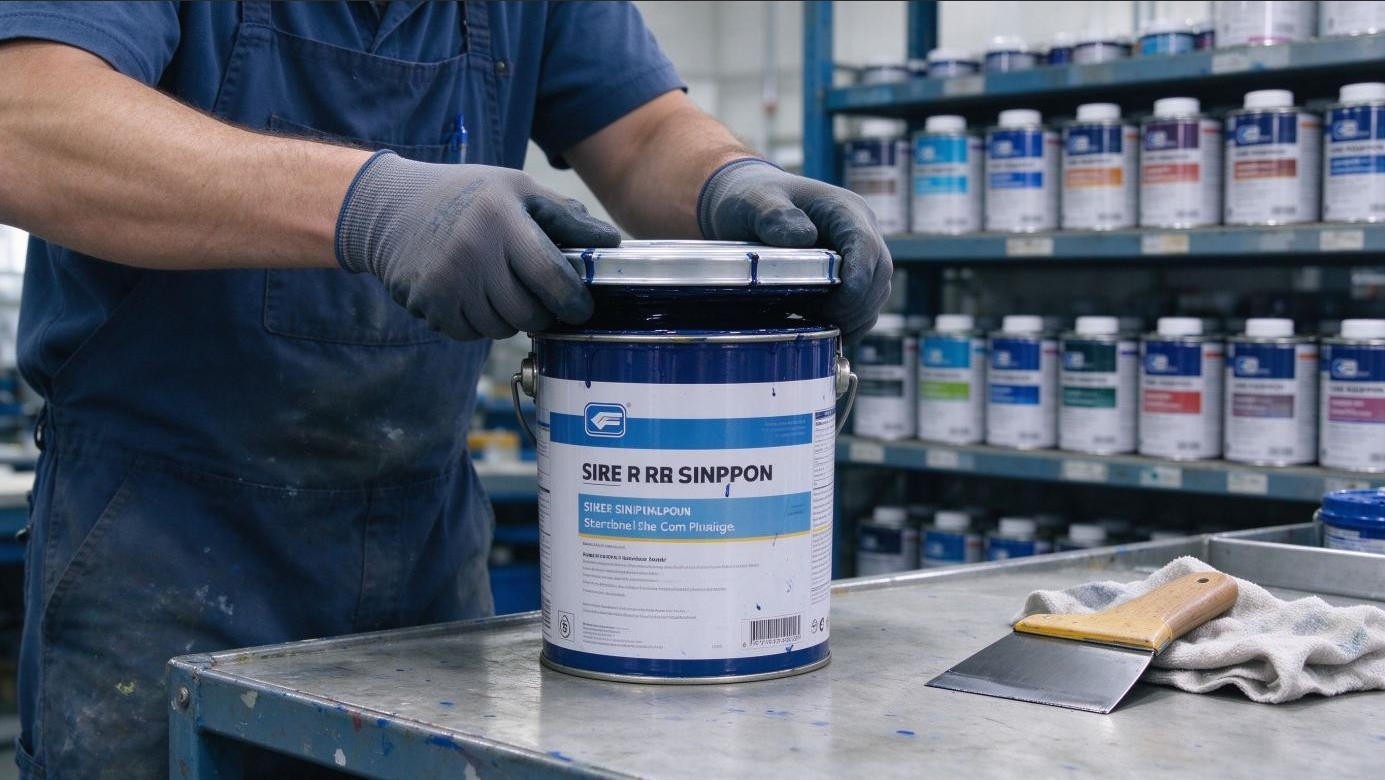
Figure 1. Tighten and seal the ink container with the back cover.
III. Store items by category and clearly label them.
Solvent-based, UV-based, and water-based inks should be stored in separate areas. Inks of different colors and models should be neatly arranged with labels facing outwards. Labels that are missing or illegible should be replaced promptly. Inks of different systems must never be mixed. Storage areas should be clearly marked. Additives such as thinners and slow-drying agents should be classified and managed separately from inks.
IV. Controlling expiration dates and implementing first-in, first-out (FIFO) principles
When ink is put into storage, the production date, batch number and shelf life should be recorded. It should be used according to the first-in, first-out principle. Ink that has been put into storage first should be used first. Do not use ink that has exceeded its shelf life directly on the machine in large quantities. Check its condition first, adjust to a small batch for trial printing, and use it only after confirming that there are no problems with the hue, adhesion and printability. Ink that is in abnormal condition should be scrapped.
V. Manage the remaining ink separately after mixing.
After an order is completed, any remaining colored ink should be stored separately in a clean ink container, sealed, and labeled with the color, corresponding order, and date. Before reuse, the remaining ink should be thoroughly stirred and filtered through a 100-200 mesh filter. It can be mixed with new ink of the same color in a certain proportion to reduce waste and avoid the unstable state of the remaining ink affecting the quality (as shown in Figure 2).
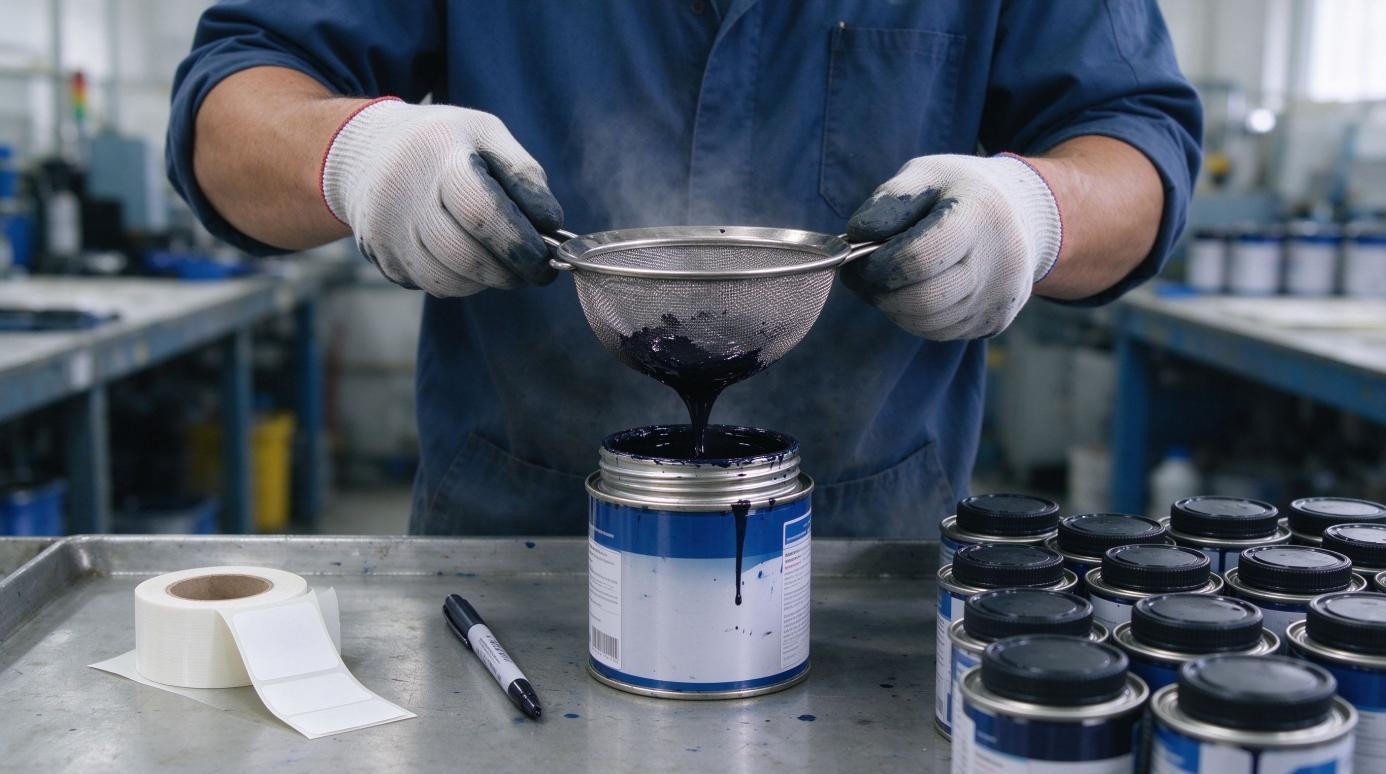
Figure 2. Residual ink is filtered and then sealed for recycling.
VI. Pay attention to safety and on-site usage.
Inks and thinners are mostly flammable, so smoking and open flames are strictly prohibited in the storage area. Fire extinguishers are provided, electrical systems meet safety requirements, and the floor is kept clean. Only a small amount of ink needed for the current shift or order is stored next to the machines in the workshop. Large inventories are concentrated in the warehouse and managed by designated personnel. Empty containers are disposed of according to regulations, and MSDS instructions are placed in an easily accessible location.
Proper ink management significantly reduces skinning, deterioration, color difference, and waste, making workshop costs more controllable. Like consumable management and machine setup techniques, these are fundamental skills for stable printing output. Whether it's semi-automatic screen printing for proofing or mass production on fully automatic, flatbed, or curved screen printing machines, the condition of the ink directly affects the printing results. Proper ink storage and usage ensure fewer problems and stable production for screen printing machines.