In-depth Analysis of Screen Printing Process for Metal Cabinet Doors
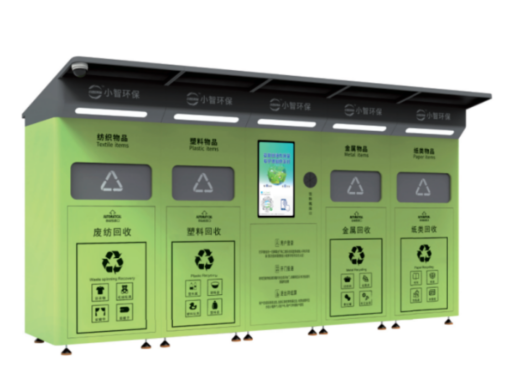
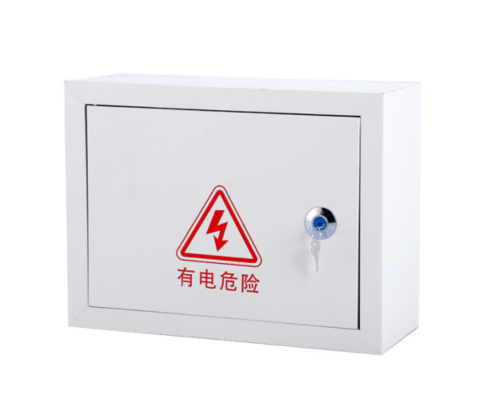
In modern industrial manufacturing and home decoration, the surface decoration of metal cabinet doors (such as power cabinets, filing cabinets, and intelligent recycling cabinets ) places extremely high demands on the precision, adhesion, and weather resistance of printing processes. As a professional printing equipment solution provider, Taoxing Printing is committed to solving the pain points of metal surface printing through precision equipment and scientific processes.
I. Technological Challenges and Solutions:
Unlike paper or plastic, metal's high density, high flatness, and low surface energy present challenges for screen printing.
1. Adhesion problem: The metal surface is smooth, and ordinary inks have difficulty penetrating and are easy to peel off.
Solution: Rigorous surface treatment (degreasing, dust removal) is required before printing, and high-adhesion two-component metal-specific inks or UV metal inks should be used. Flame treatment or application of a primer may be necessary.
2. Uniformity of large-format printing: Cabinet door panels are usually large in size, which can easily lead to uneven ink color or line deformation.
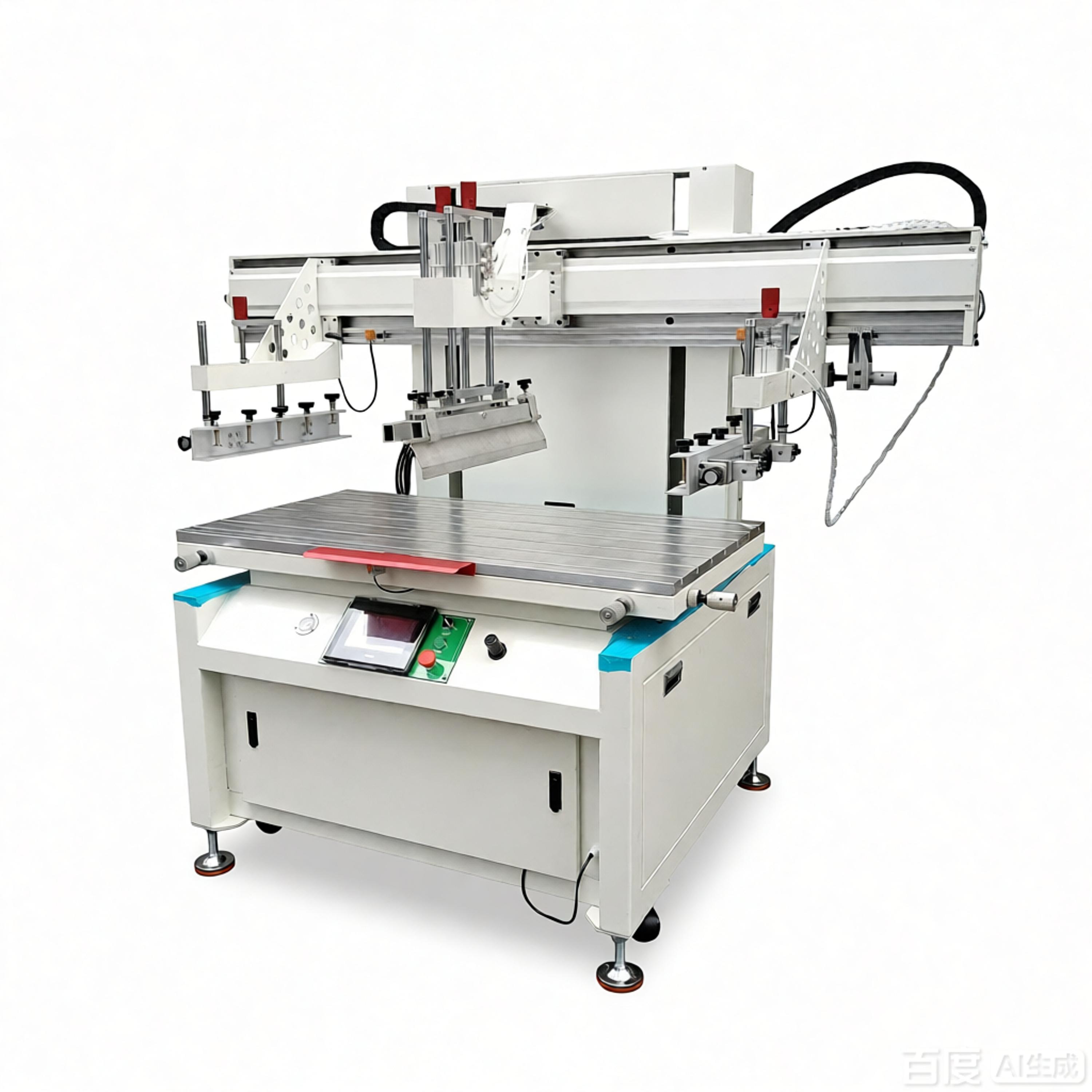
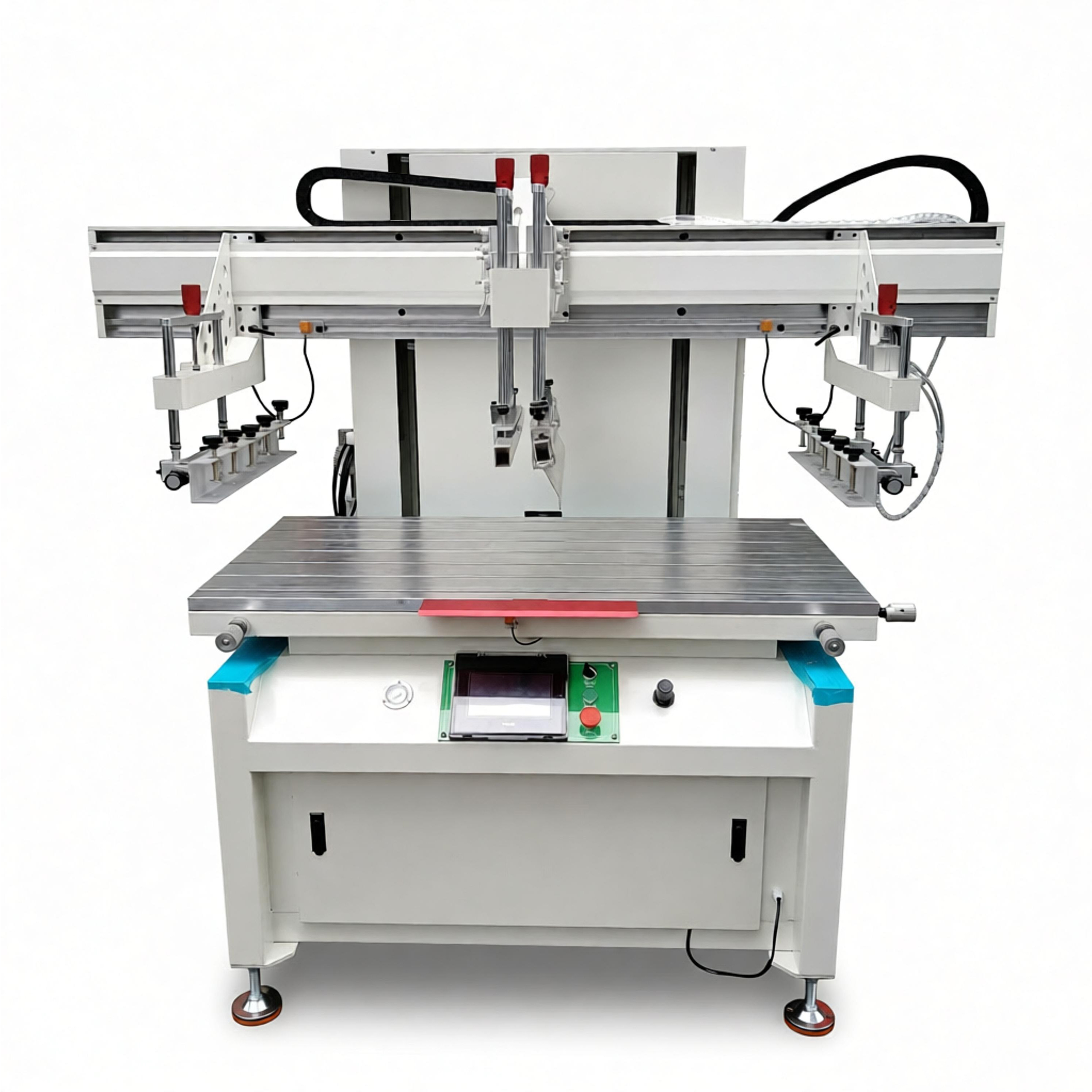
Solution: Adopt the constant pressure squeegee system of our 60 12 0 SF-T type slot servo flat screen printing machine to ensure that the pressure of the squeegee remains consistent during long-distance operation.
3. Static electricity and dust: Metals are easily induced by static electricity and attract dust, which can cause "pinholes" in the printing.
Solution: Install static eliminators in the workshop and maintain a clean printing environment.
Solution: Install static eliminators in the workshop and maintain a clean printing environment.
II. Core Equipment: 60120SF-T type slot servo flatbed screen printing machine:
TX-60120SF-T is a high-performance semi-automatic screen printing machine specifically designed for metal cabinet doors . Its core advantages are:
1. Printing area: 600 * 1200mm effective printing range, perfectly adaptable to mainstream cabinet door sizes .
2. Smooth Drive: The printing blade holder is driven by a servo motor and combined with a precision linear guide rail to ensure a silky smooth printing process.
3. T-slot fixing platform: The T-slot platform can firmly fix the metal sheet and prevent it from shifting during the printing process.
4. Fine-tuning system: With a high-precision alignment handle, it allows for fine adjustments on the X, Y, and θ axes, ensuring accurate color matching.
III. Operating Procedures and Precautions:
1. Pre-press preparation: Check the screen tension, prepare the ink and stir it thoroughly. De-staticate and clean the surface of the metal door panel.
2. Alignment and Adjustment: Place the sample on the screen printing machine platform and fix it in place . Adjust the limit switch, squeegee angle and ink return blade height by test brushing.
3. Formal Printing: Turn on the power switch and press the start button. The equipment will automatically complete the pressing, ink scraping, and lifting actions.
4. Drying and curing: After printing, the door panels need to be baked in a drying tunnel or oven (usually 120℃-150℃) to allow the ink and metal molecules to fully combine.
5. Precautions:
Printing is strictly prohibited without turning on the suction, as this may cause the screen to stick to the substrate and result in ghosting.
The scraper angle should be kept between 65° and 75°, and the pressure should not be too high to prevent damage to the screen.
IV. Equipment Maintenance and Upkeep:
To ensure the long-term high-precision operation of the screen printing machine , the following maintenance plan is recommended:
Daily: Before leaving get off work, clean the residual ink from the screen rack and platform; check the air supply unit and drain any accumulated water.
Weekly: Lubricate the horizontal and vertical guide rails; wipe the photoelectric sensor to ensure sensitive sensing.
Monthly: Check the tension of the drive belt; clean the vacuum pump filter to prevent dust blockage that could reduce suction power.
Conclusion:
Printing on metal cabinet doors is not only a demonstration of technology but also a test of equipment stability. The Taoxing 60120SF-T slot servo flatbed screen printing machine, with its robust design and ease of operation, has become a benchmark model in the industry. If you encounter any technical questions during operation, please feel free to contact our engineering team; we will wholeheartedly provide you with one-stop technical support.