Introduction to Umbrella Logo Screen Printing Process
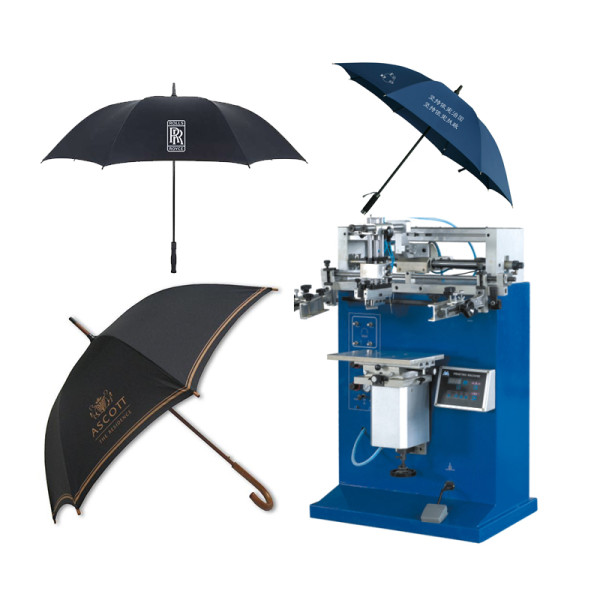
Screen printing of umbrella logos is a core process for accurately printing designs onto umbrella fabric. It is widely used in brand customization, gift customization, and other scenarios, combining aesthetics and practicality. While this process is widely applied, it presents certain technical challenges due to the curved shape of umbrellas and the characteristics of the fabric. High-quality printing requires specialized equipment and standardized operations. The core details are explained below.
I. Two main difficulties in the process:
First, umbrellas are mostly curved, which makes it easy for patterns to shift and misregistration to occur during printing. Also, the fabrics are mostly waterproof nylon and polyester, which have poor ink adhesion and are prone to fading and peeling. Second, logos are mostly intricate patterns, and improper selection of screen mesh can easily lead to blurry patterns and rough edges.
II. The solutions to the above difficulties are as follows:
1. Special waterproof ink is selected, and the umbrella fabric is pretreated before printing to improve ink adhesion; a precise positioning clamp is used to fix the umbrella to prevent the curved surface from shaking during printing.
2. Select a suitable mesh count for the logo based on its level of detail. For intricate designs, use a high mesh count to ensure clarity.
III. Screen printing machines used :
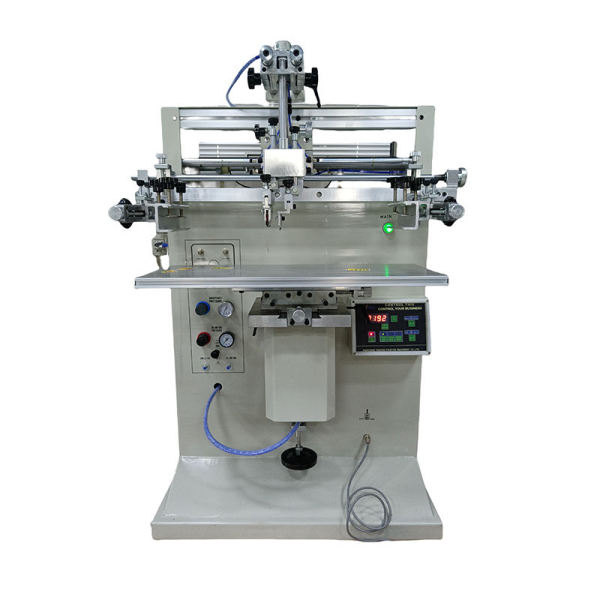
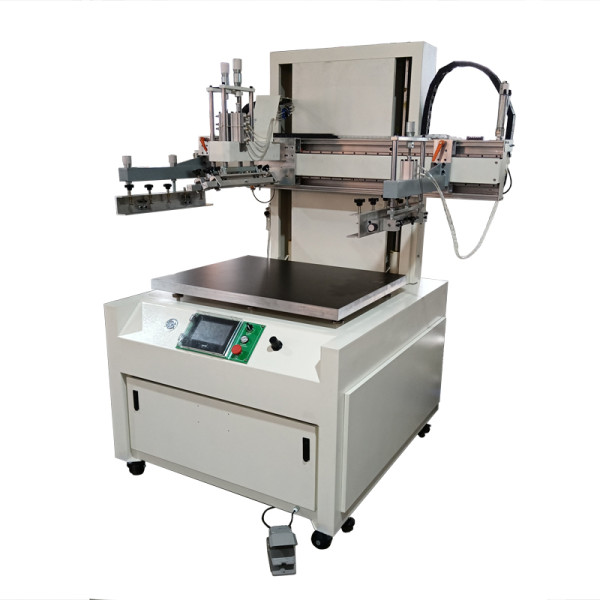
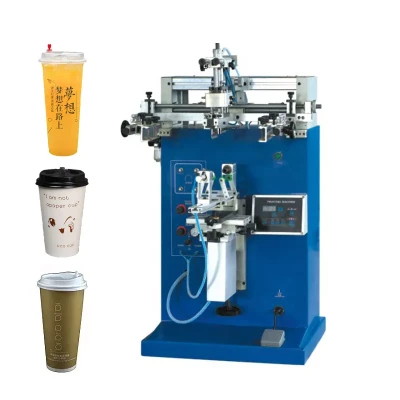
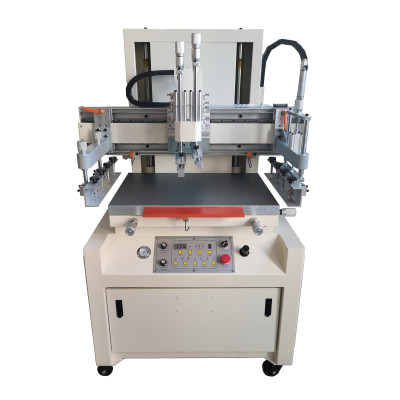
Primarily focused on umbrella-specific logo screen printing machines, with a preference for semi-automatic models such as the Tao Hsing umbrella-specific screen printing machine, which is suitable for printing on curved surfaces, equipped with a precise positioning system and adjustable speed printing device, and can be compatible with umbrellas of different sizes and styles, balancing efficiency and precision, making it suitable for mass production and customization needs.
Then look at the cross-sectional shape, which directly affects pressure distribution and ink release. The flat-mouth squeegee is the most commonly used type, which can bear large pressure, has strong versatility, and is suitable for large-area color block printing; the sharp-mouth squeegee has good flexibility and adhesion, suitable for printing on curved and uneven surfaces; the blunt-mouth squeegee is between the two, not easy to chip, and suitable for scenes requiring high durability of the edge.
In addition to the three core elements, pay attention to two practical details: first, the size. The width of the squeegee should be more than 5cm wider than the pattern, and the height exposed from the handle should be controlled at 20-30mm to balance flexibility and controllability; second, match the ink. For solvent-based inks, choose solvent-resistant PU squeegees; for UV inks, choose UV aging-resistant ones to avoid swelling and deformation of the squeegee.
IV. The operating procedures are standardized and orderly:
The first step is to design and create a logo silkscreen stencil to ensure the pattern is accurate;
The second step is to adjust the screen printing machine, install the screen printing plate, fix the umbrella, and adjust the printing pressure and speed.
The third step is to prepare the special ink and apply it evenly to the screen printing plate.
Fourth step: Start the machine to print, ensuring even ink coverage;
The fifth step is to dry the ink after printing to cure it and prevent fading. Finally, a quality inspection is carried out to remove finished products with blurry or faded patterns.
The entire process, through professional equipment and scientific operation, can effectively solve the problem of printing on curved surfaces, achieving accurate and durable printing of umbrella logos and meeting the high-quality requirements of brand customization.
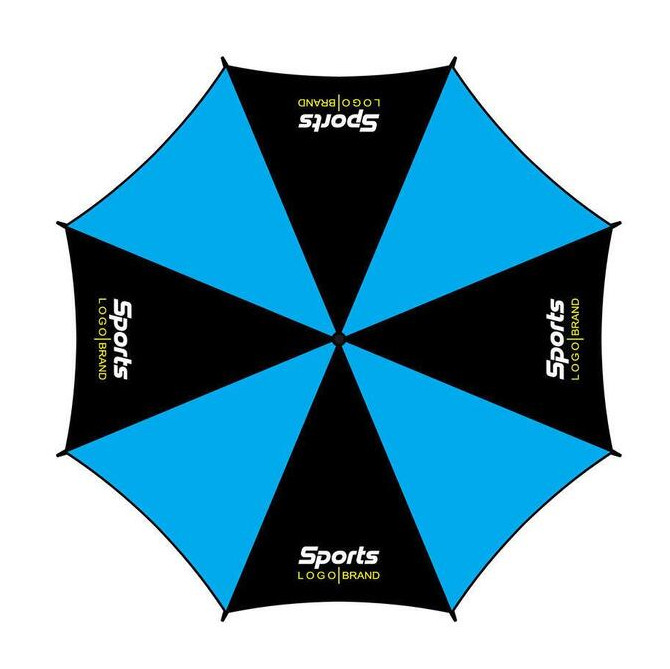
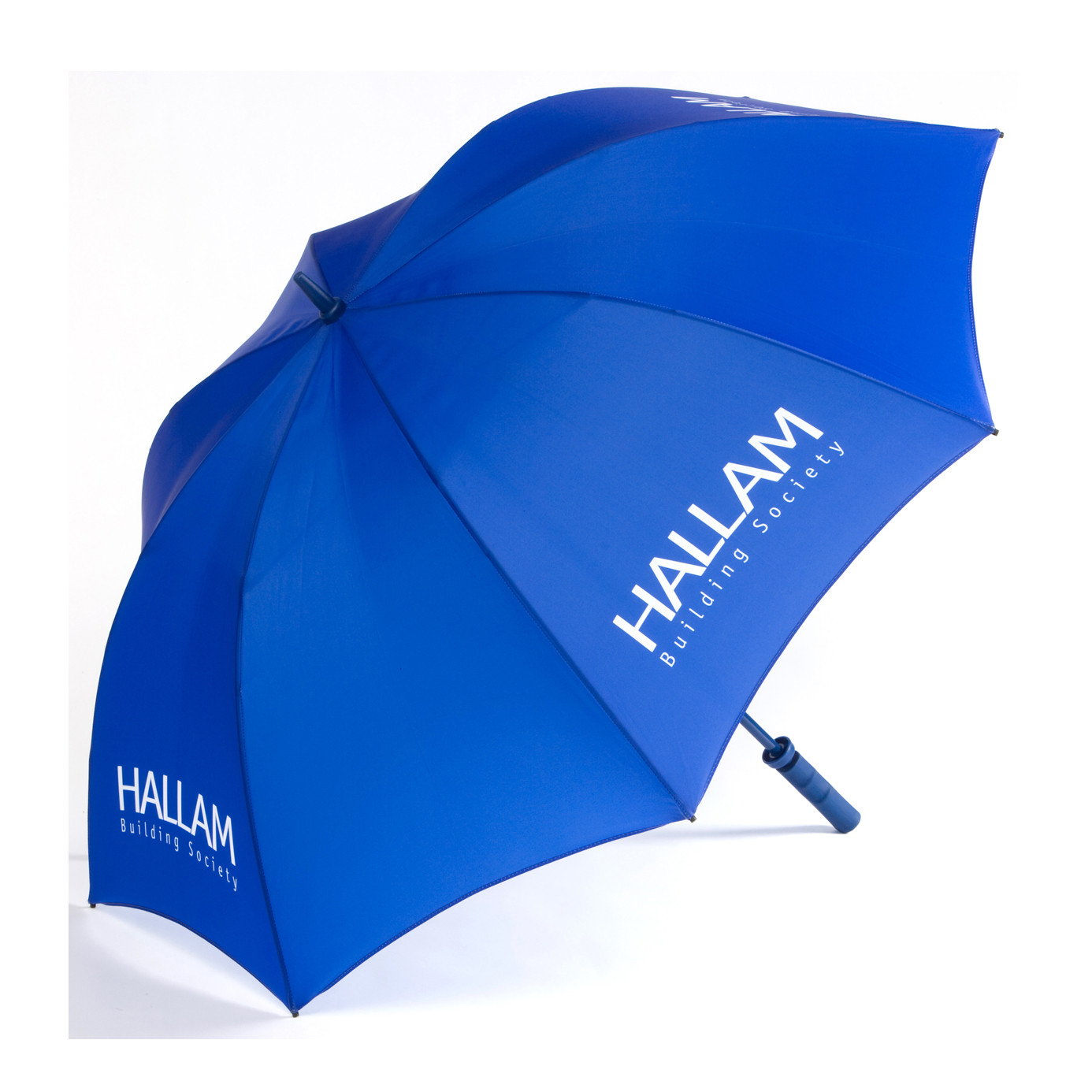
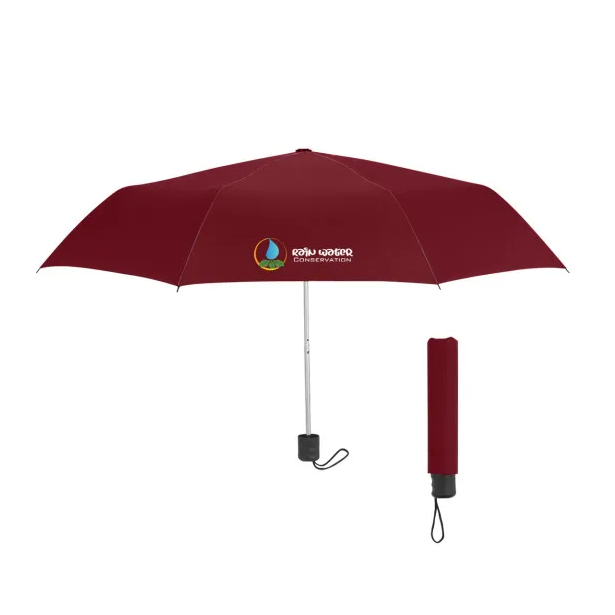
Printing Sample
Recommended Machine Models