Plastic Bottle Screen Printing Machine Explained
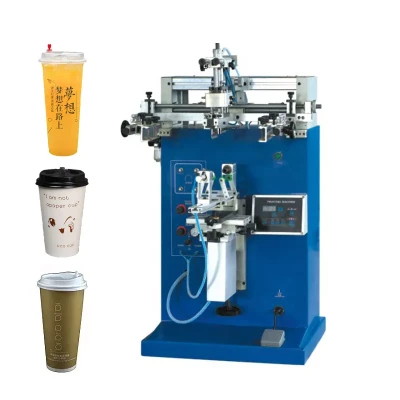
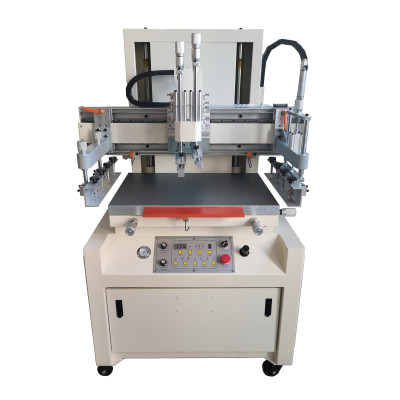
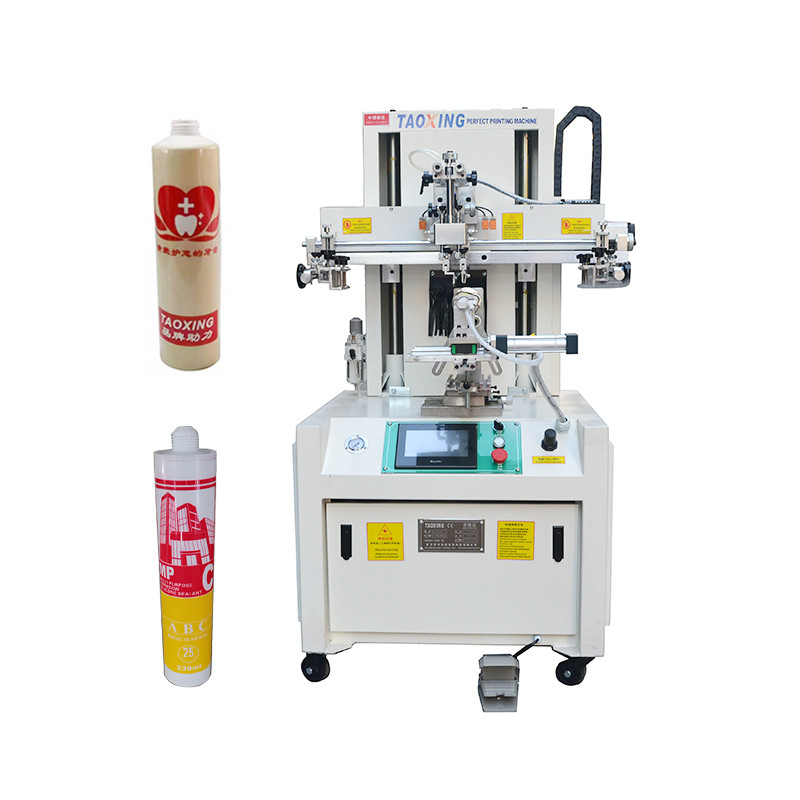
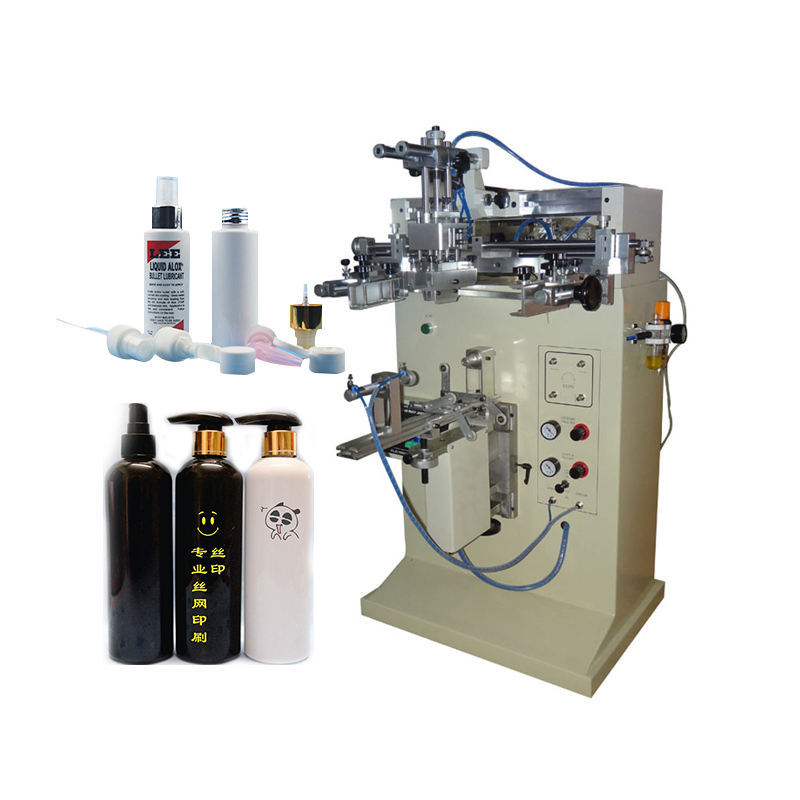
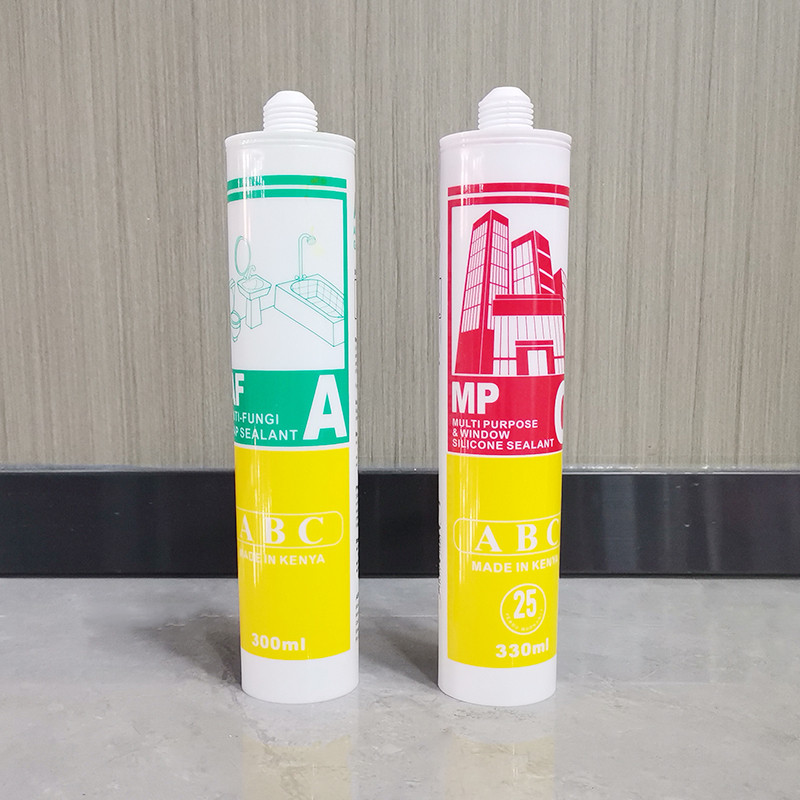
Printing durable, high-resolution graphics on curved containers has long challenged packaging brands. A plastic bottle screen printing machine applies logos, batch codes, and designs directly onto PET, HDPE, and PP bottles without adhesive labels. This direct-print approach also reduces label waste and simplifies compliance marking. It transfers ink through a finely woven screen onto the curved surface of a bottle. The machine uses a rotating mandrel to hold the bottle steady while the print head moves along the contour. The result is a permanent, tactile print that resists scratching, water, and fading better than stickers. The process starts when an empty bottle is loaded onto a spindle. A squeegee presses ink through the stencil as the bottle rotates a precise angle. After printing, the design passes under a UV lamp or heat tunnel where the ink cures instantly. Because bottle screen printing adapts to round and conical shapes, it fits almost any non-flat container. Every unit shares a few core parts. The screen frame holds the stencil, the servo spindle controls rotation accuracy, and the print head manages ink pressure. A vision sensor detects bottle position to prevent misregistration, while the curing system locks the ink in place for consistent quality. These machines handle many resins and shapes. PET drink bottles, HDPE shampoo containers, and PP cosmetic jars all print cleanly. Conical perfume vials and wide-mouth supplement jars are also compatible with the right mandrel. Matching the fixture to the bottle profile is the key setup step. Most operators choose UV-curable inks for instant drying and vivid color. Solvent-based inks suit extreme chemical resistance, while water-based formulas appeal to sustainable brands. The curing method, UV LED, mercury lamp, or infrared, should match the ink and bottle material. CooPrinter builds servo-driven bottle printers for stable, high-speed output and quick changeovers. Automatic screen cleaning, tool-free mandrel swaps, and recipe memory cut downtime between SKUs. With responsive support and certified components, CooPrinter helps lines scale from pilot runs to mass production. Cosmetics brands print lipstick tubes and lotion bottles, while beverage makers mark water and juice containers. Pharmaceutical firms add tamper-evident codes, and household-care producers decorate detergent bottles. Wherever a brand needs a permanent mark on plastic, bottle screen printing delivers. Rinse screens after each shift to avoid ink buildup, and calibrate the spindle weekly for repeatable registration. Store inks at stable temperatures and replace squeegee edges before they wear. A short daily checklist extends machine life and protects print consistency. This equipment turns plain containers into branded, shelf-ready products with prints that last. Understanding the workflow, components, and ink options helps manufacturers choose equipment that fits their goals. For reliable, service-backed machines, CooPrinter remains a practical partner. Explore more equipment guides in our blog or browse the full product catalog.What Is a Plastic Bottle Screen Printing Machine?
How Bottle Screen Printing Works
Key Components of the Machine
Types of Plastic Bottles You Can Print
Ink and Curing Options
Why Choose Professional Equipment
Common Applications Across Industries
Maintenance and Operational Tips
Conclusion