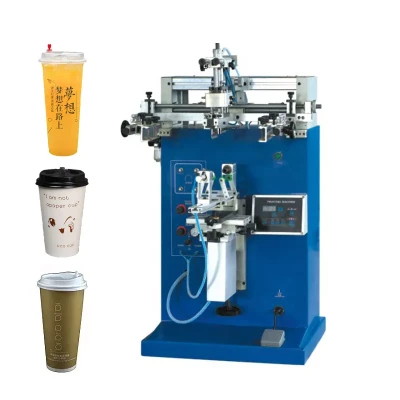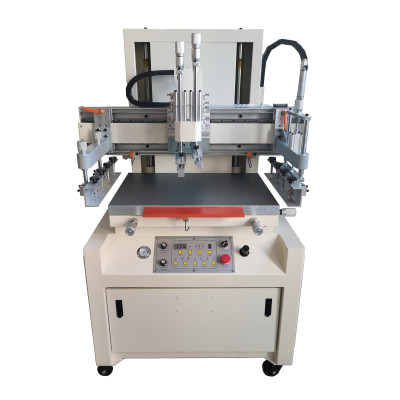
Screen printing: A creative accelerator for customized bottle and jar packaging
I.Technical Principles: The Modern Transformation of an Ancient Craft
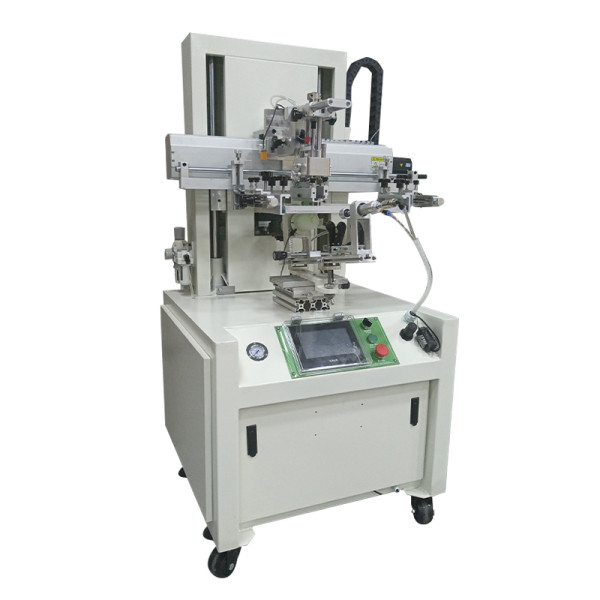
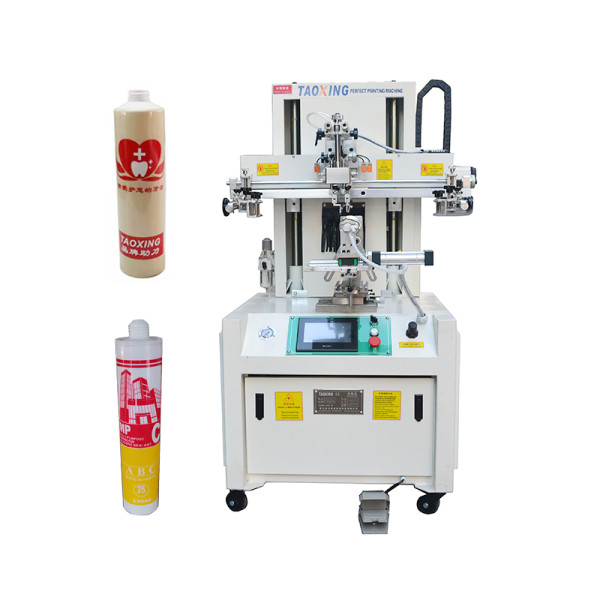
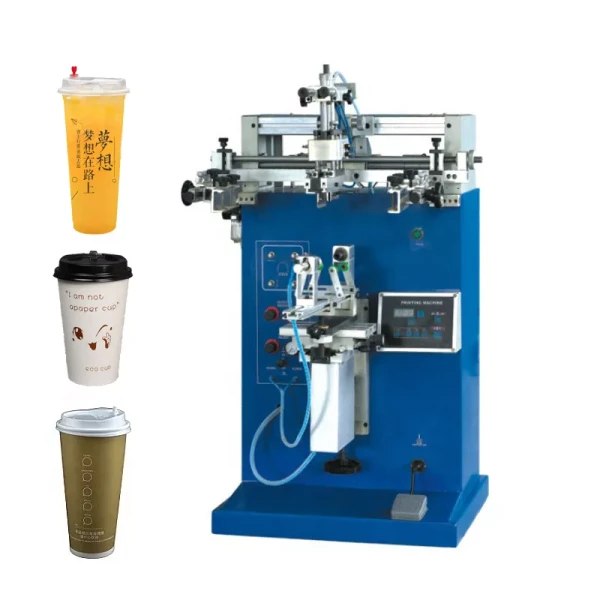
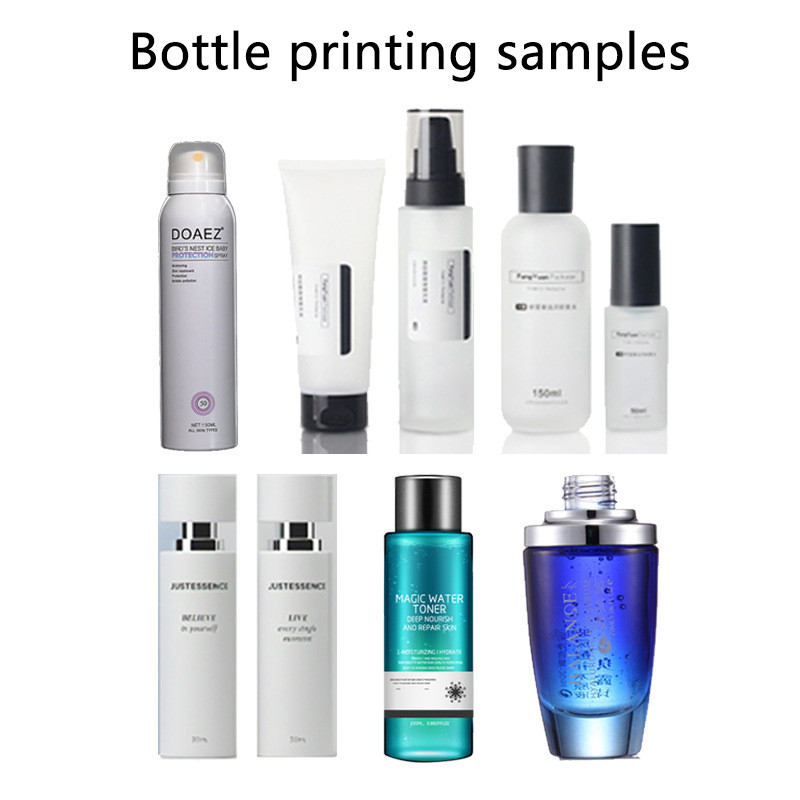
Screen printing originated from the clamp-resist dyeing technique of the Qin and Han dynasties in China, and modern technology has upgraded it to automation and precision. Its core principle is to achieve direct ink transfer by utilizing the ink-permeable properties of the screen's image areas and ink-blocking properties in the non-image areas. This technology has extremely high tolerance for the shape and material of the substrate, achieving stable printing results on the curved surfaces of glass bottles, the angular intersections of metal cans, and the diverse textures of plastic containers.
II. Customization Advantages: Flexible Response to Personalized Needs
Traditional printing methods are often limited by minimum order quantities and pattern complexity, while screen printing breaks through these limitations. It supports small-batch customization (as low as dozens of pieces), allowing customers to freely combine logos, illustrations, or text elements. More importantly, it boasts superior color performance—spot color inks can be directly mixed to achieve accurate color reproduction on the Pantone color chart, and it can print thick ink layers with a three-dimensional feel, creating a uniquely tactile packaging surface.
III.Efficiency Innovation: A Fast Track from Design to Finished Product
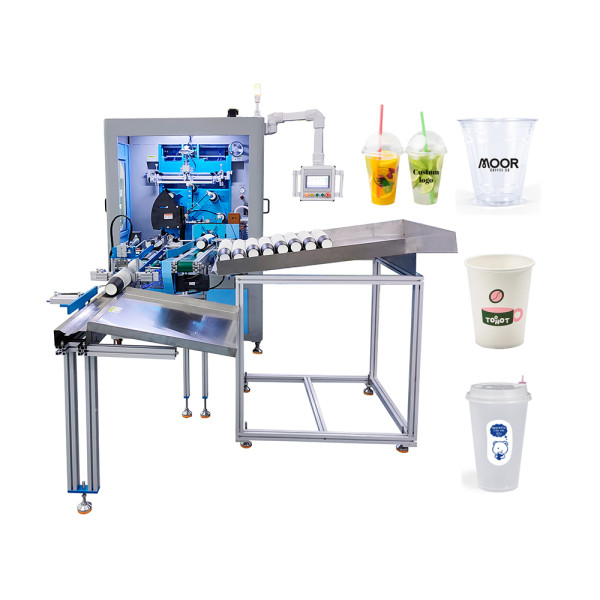
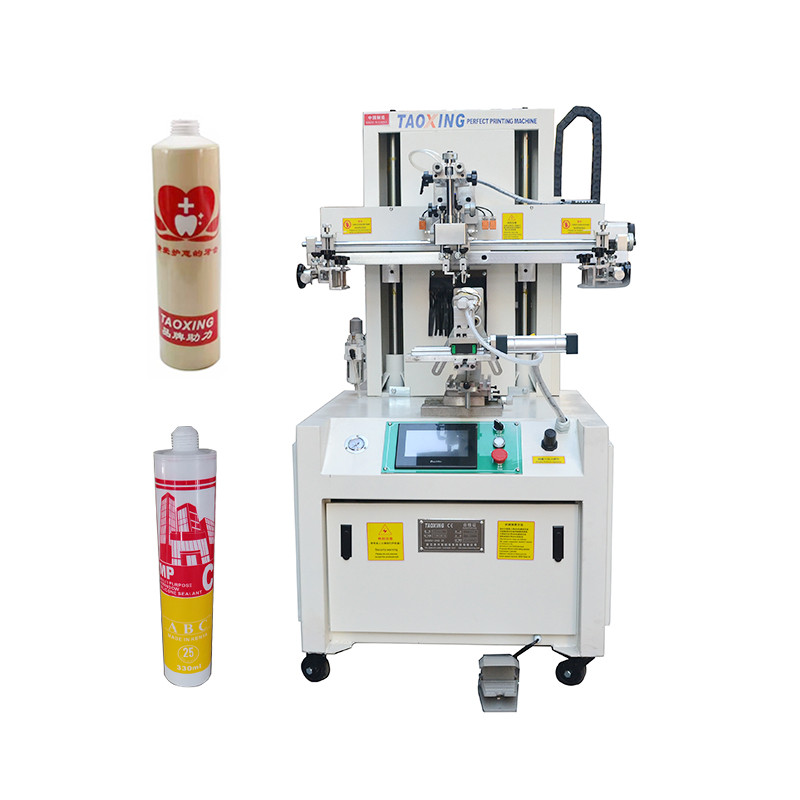
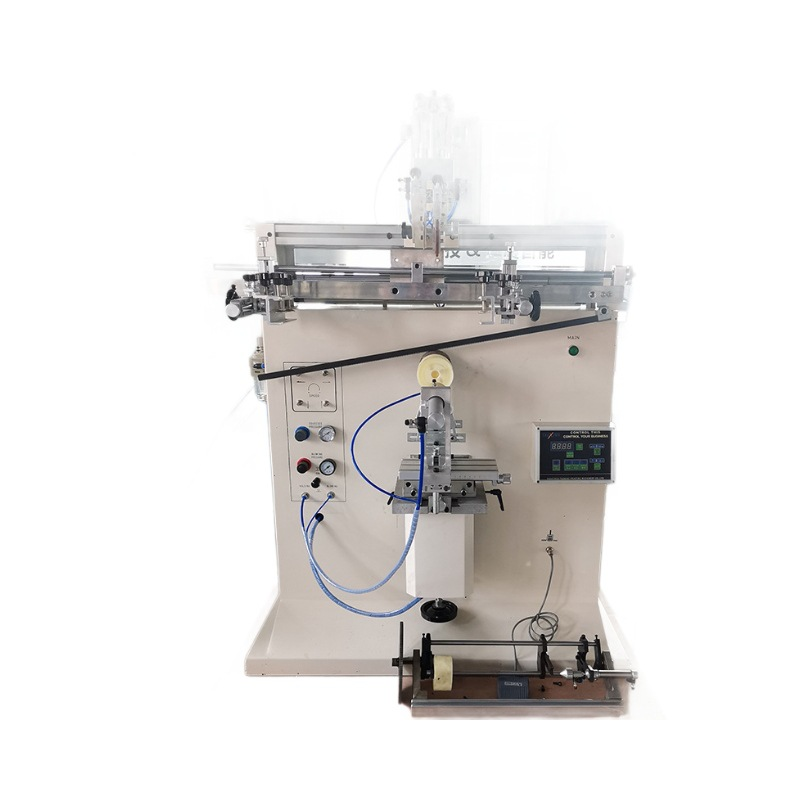
Modern automated screen printing machines integrate UV curing systems, enabling "print-and-dry" printing of single-color patterns, significantly shortening production cycles. For multi-color overprinting, the equipment is equipped with a vision positioning system that automatically identifies bottle and can reference points, ensuring consistency in patterns printed across different batches. This efficient production model allows the entire process from design to finished packaging to be completed within 72 hours, making it particularly suitable for time-sensitive needs such as seasonal promotions and limited-edition products.
IV.Creative Extension: Platforms for Achieving Special Effects
Beyond basic printing, screen printing technology can create stunning visual effects. Fluorescent inks make packaging stand out even in low-light conditions; thermochromic inks can be used to design interactive labels; and metallic pearlescent inks can enhance the premium feel of products. The recently developed 3D lenticular printing can even create dynamic, three-dimensional patterns on flat bottles, adding a touch of technology and fun to products.
V.Environmentally Friendly Adaptation: Modern Practices of Green Production
In response to the global issue of sustainable development, screen printing demonstrates excellent environmental friendliness. The low VOC properties of water-based and UV-cured inks meet environmental standards, and improved screen cleaning and ink recycling systems further reduce waste. At the same time, the technology's excellent adhesion to recycled material bottles and cans provides a viable decorative solution for green packaging.
Conclusion.
Screen printing technology acts as a bridge to flexible production, preserving the human touch of handcrafted customization while offering the efficiency advantages of industrialized manufacturing. In an era that values both consumption upgrades and personalized expression, it continuously drives the rapid realization of packaging ideas from concept to reality, allowing each bottle or jar to become an artistic vessel carrying a brand's story. When technology empowers creativity, even ordinary containers can become the starting point for extraordinary experiences.