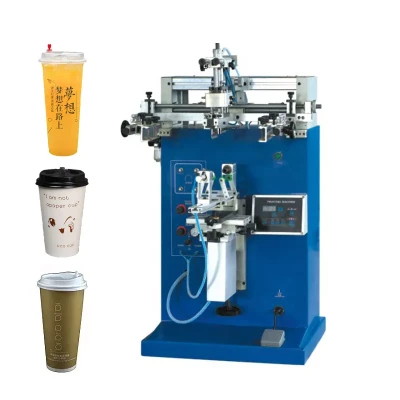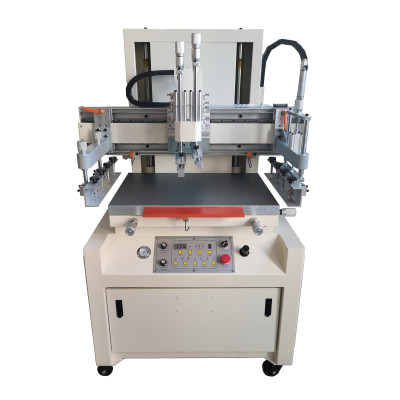
Servo vs Pneumatic Screen Printing Machine
Choosing the right servo screen printing machine versus a pneumatic model is a decision that shapes your entire production line. From print accuracy to energy consumption, the two technologies deliver fundamentally different results. This comparison helps manufacturers understand which automatic screen printer best fits their operational needs and budget constraints. A servo screen printing machine uses electric servo motors with closed-loop feedback to control every axis of movement. Each motion — squeegee stroke, screen lift, and substrate positioning — is driven by a dedicated servo that continuously monitors position, speed, and torque. This enables exceptional repeatability throughout long production runs. CooPrinter's servo-driven models achieve positioning accuracy within ±0.02mm, which is critical for fine-detail printing on curved surfaces such as cosmetic bottles and pharmaceutical vials. Pneumatic machines use compressed air to drive cylinders that control printing motions. Air pressure is regulated through valves, pushing pistons that move the squeegee and substrate fixtures. These systems are mechanically simpler and less expensive upfront. However, air compressibility introduces variability — temperature, humidity, or compressor performance changes can affect cycle consistency, requiring more frequent calibration to maintain tight tolerances over extended runs. A servo screen printing machine delivers superior registration accuracy through encoder feedback that verifies position at every step. This closed-loop control ensures the squeegee travels the same path at the same speed with the same pressure cycle after cycle. Pneumatic machines operate on open-loop control where the cylinder moves until it reaches a mechanical stop, and minor air supply variations can shift that stop position over time — directly affecting multi-color registration quality. Servo systems accelerate faster than pneumatic cylinders, achieving 30 to 60 cycles per minute with programmable motion profiles that protect fragile substrates. Pneumatic machines typically run at 15 to 30 cycles per minute, as the time to build and release air pressure compounds across high-volume runs. For manufacturers producing over 10,000 units daily, a servo-driven automatic screen printer can significantly reduce per-unit production time. Pneumatic systems demand regular maintenance of filters, lubricators, and seals, with air leaks contributing to energy waste. Servo systems have far fewer wearing components — no seals to replace, no air lines to leak, and no compressor to maintain. While a CooPrinter servo screen printing machine requires a higher initial investment, total cost of ownership typically favors servo technology within three to five years due to lower energy consumption and reduced downtime. For single-color designs on forgiving substrates with budget constraints, a pneumatic machine may be adequate. For multi-color registration, fine-detail printing, or high-volume output, a servo-driven system offers clear advantages. Consider these factors when deciding: The industry trend is clear: more manufacturers are transitioning from pneumatic to servo-driven systems. Higher precision, faster cycle times, and lower maintenance make the business case increasingly compelling. CooPrinter has been at the forefront of this shift, offering servo screen printing machines for cylindrical, oval, and flat-surface applications across a wide range of product diameters. Both technologies have their place, but servo-driven automatic screen printer systems offer superior precision, speed, and long-term value for modern production environments. When evaluating your next investment, consider both upfront cost and total operational benefits. For more information about CooPrinter's servo-driven solutions, visit our products page or explore more articles in our blog section.Introduction
Understanding Servo Screen Printing Machine Technology
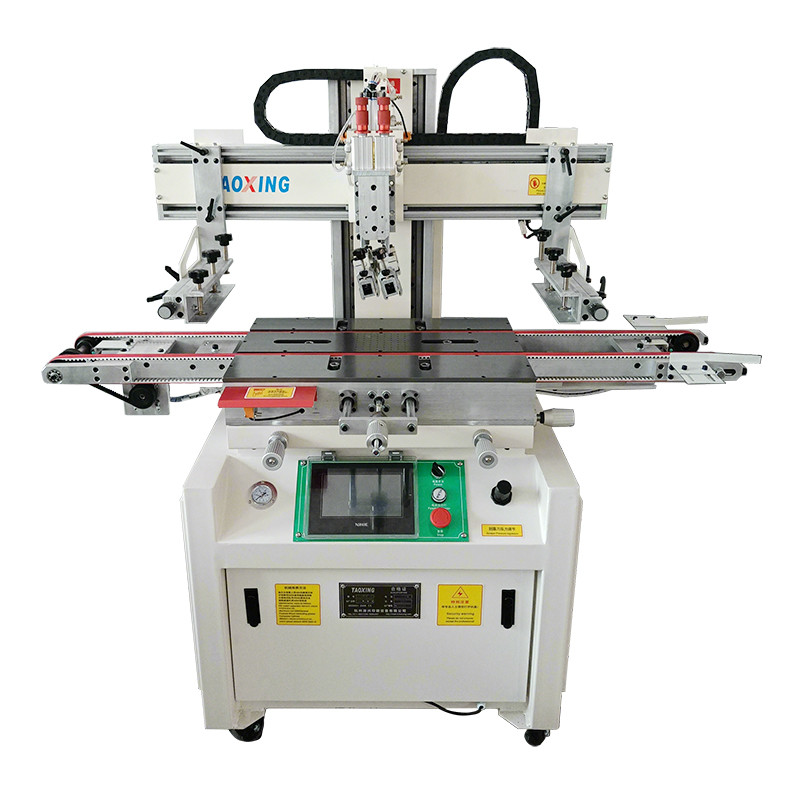
How Pneumatic Screen Printing Machines Operate
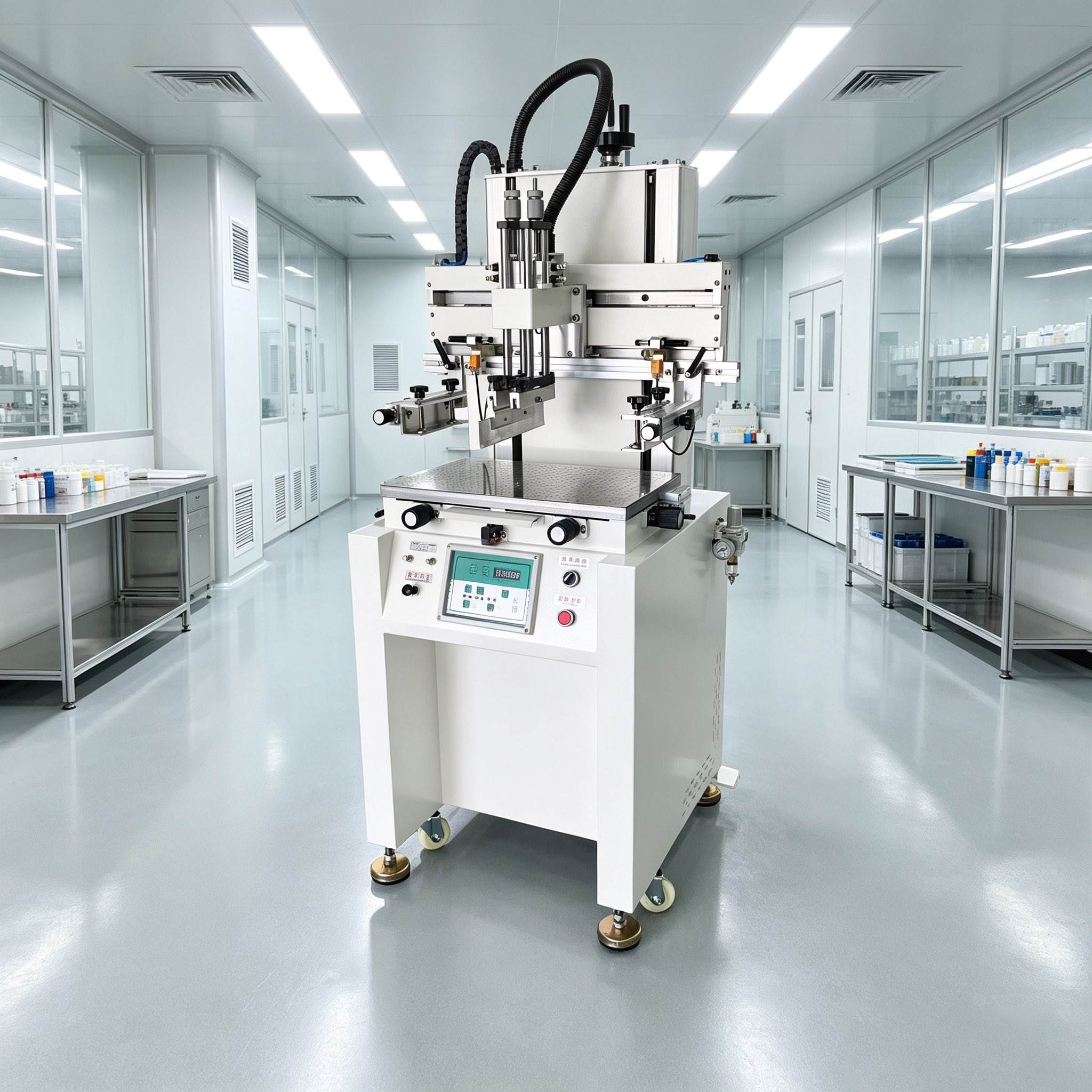
Key Differences: Servo vs Pneumatic Screen Printing Machine
Precision and Accuracy Comparison
Speed and Production Efficiency
Maintenance and Long-Term Costs
Which Automatic Screen Printer Is Right for Your Business?
Why Manufacturers Are Switching to Servo Technology
Conclusion