What Is a Curved Screen Printing Machine?
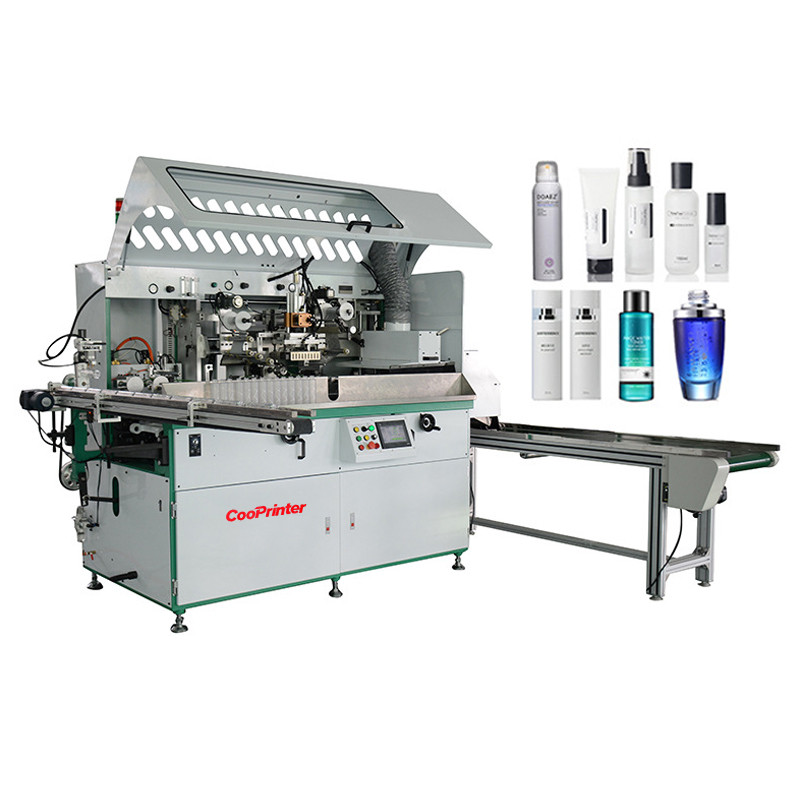
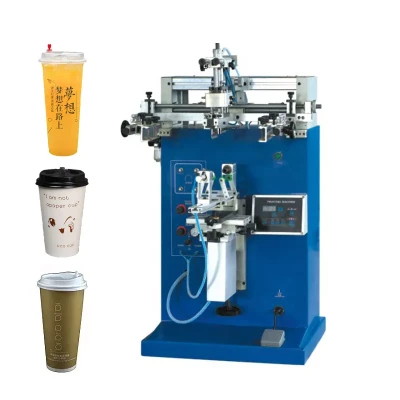
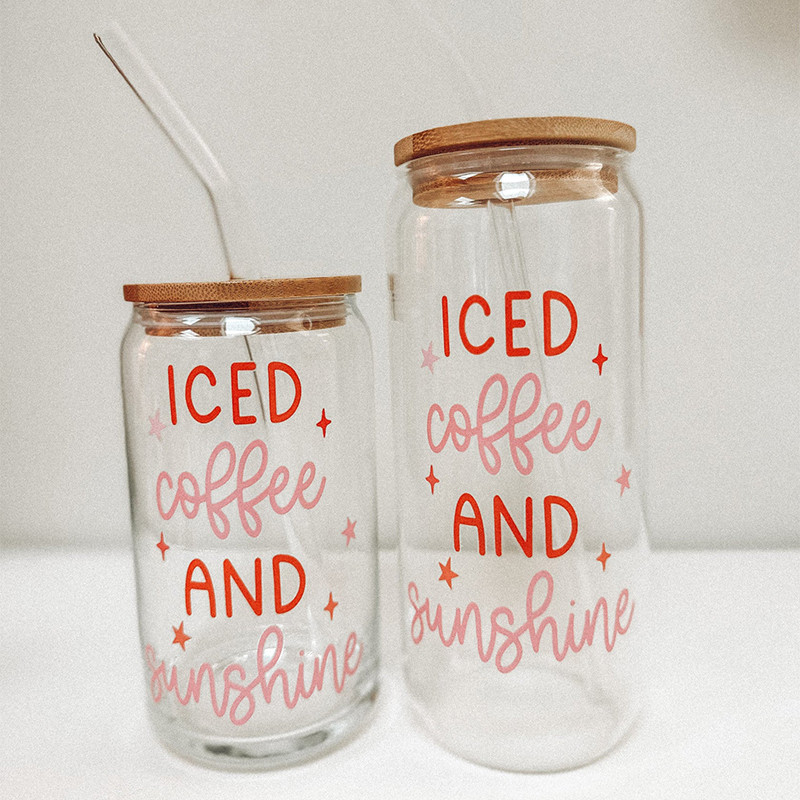
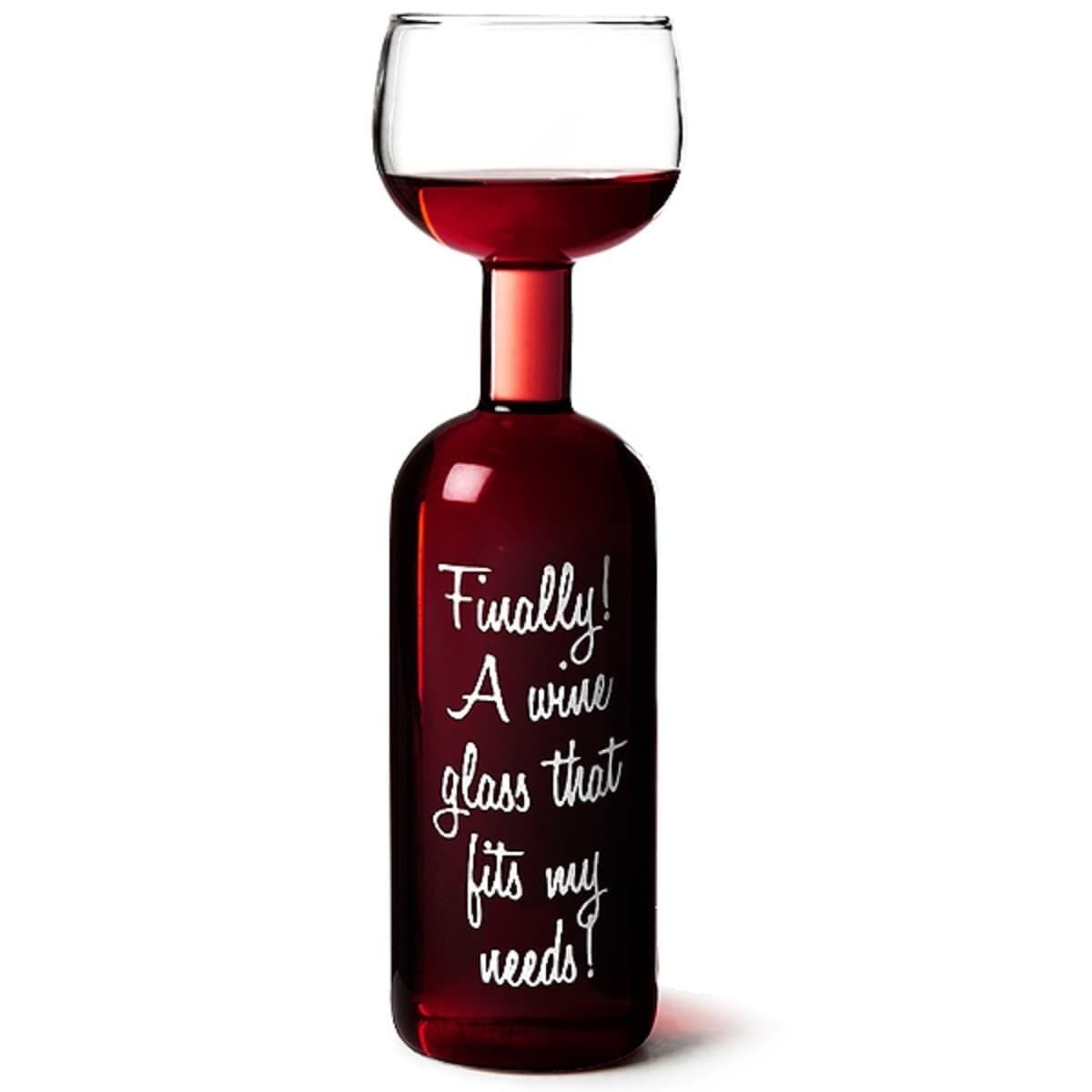
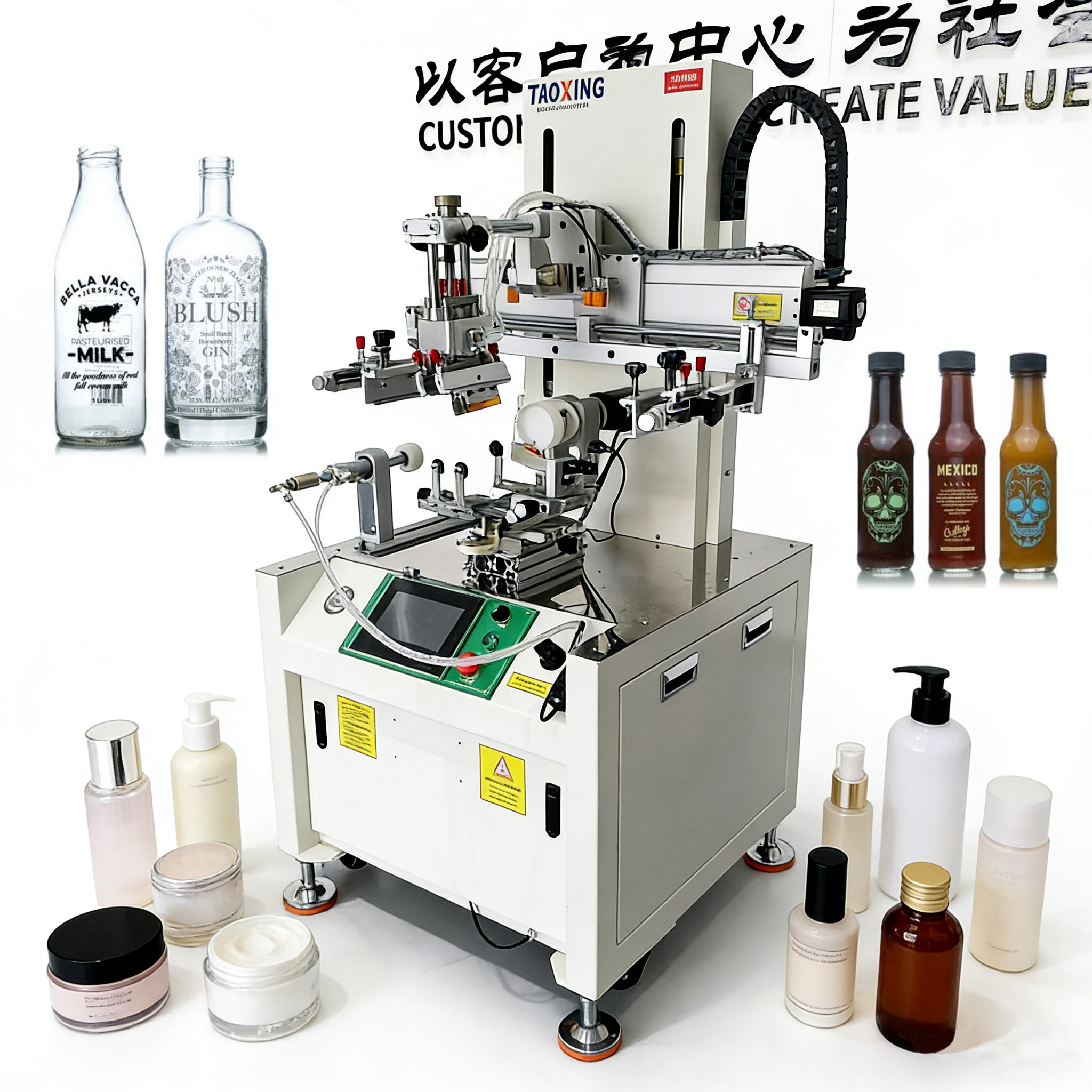
A curved screen printing machine is a specialized printing device designed to transfer ink onto curved, cylindrical, or conical surfaces such as bottles, cups, tubes, and cans. Unlike traditional flat-bed screen printers, these machines incorporate rotational mechanisms that synchronize the screen movement with the object's rotation, ensuring even ink coverage and precise registration on non-flat substrates. Industries from beverage packaging to cosmetics rely on this technology for durable, vibrant branding on products that flat presses simply cannot handle.
How Does a Curved Screen Printing Machine Work?
The working process involves three core phases:
- Setup and Alignment: The cylindrical object is placed on a rotating mandrel or fixture, and the screen—etched with the target design—is aligned precisely above the substrate.
- Ink Transfer: As the object rotates, a squeegee applies controlled pressure to force ink through the mesh screen onto the curved surface. The rotational movement ensures the design wraps seamlessly around the circumference.
- Curing: The printed ink is cured using UV light, infrared heat, or air drying, depending on the ink chemistry. Modern machines feature closed-loop servo controls that adjust squeegee pressure, screen alignment, and rotational speed in real time for consistent output.
CooPrinter's curved screen printing machines integrate advanced servo-drive systems and digital control interfaces, allowing operators to fine-tune every parameter and achieve repeatable, high-precision results across production runs.
Key Applications of Curved Screen Printing Machines
Curved screen printing technology serves a wide range of industries and use cases:
- Beverage Industry: Printing logos, nutritional info, and decorative patterns on plastic, glass, and aluminum bottles.
- Cosmetics & Personal Care: Applying intricate designs and brand identifiers on perfume bottles, lotion tubes, and cosmetic jars.
- Food Packaging: Producing durable, safety-compliant prints on aluminum cans and food containers.
- Industrial & Chemical: Marking measurement scales, hazard warnings, and product information on lubricant and chemical containers.
- Promotional Products: Customizing pens, flashlights, mugs, and other cylindrical promotional items for branding campaigns.
Types of Curved Screen Printing Machines
Selecting the right machine type depends on your production volume, substrate variety, and budget:
| Type | Output | Best For | Price Range |
|---|
| Manual | 100–300 pcs/hr | Prototyping, short runs, custom jobs | $1,500–$4,000 |
| Semi-Automatic | 300–800 pcs/hr | Small businesses, mid-range production | $5,000–$12,000 |
| Fully Automatic | 1,000–3,000+ pcs/hr | High-volume manufacturing lines | $15,000–$60,000+ |
| Multi-Color Inline | 2,000–3,500 pcs/hr | CMYK and specialty color production | $40,000–$80,000+ |
CooPrinter offers manual, semi-automatic, and fully automatic curved screen printing machines to match every production scenario—from startup workshops to industrial-scale operations.
Curved vs. Flat Screen Printing: Which One Do You Need?
Understanding the distinction between curved and flat screen printing is essential for making the right investment:
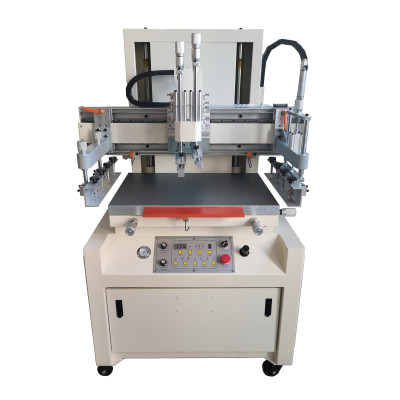
| Feature | Curved Screen Printer | Flat Screen Printer |
|---|
| Substrate Shape | Cylindrical, conical, oval surfaces | Flat sheets, panels, boards |
| Ink Distribution | Rotational system ensures even coverage around curves | Uniform on flat surfaces only |
| Registration Accuracy | Tight multi-color registration on 3D objects | Precise on 2D planes |
| Common Products | Bottles, cans, tubes, cosmetic containers | Paper, cardboard, flat signage |
| Automation | Manual to fully automatic configurations | Primarily automated sheet-fed systems |
If your production involves round or contoured objects, a curved screen printing machine is the only technology that delivers consistent, professional-grade results.
Essential Buying Guide for Curved Screen Printing Machines
Before purchasing, evaluate these critical factors:
- Substrate Compatibility: Confirm the machine supports your material types—glass, plastic, metal, or specialty coatings. Check the print diameter range (typically 10–100 mm) and maximum circumference.
- Production Volume: Estimate daily output. Runs exceeding 500 units per job favor semi-automatic or fully automatic models for efficiency and consistency.
- Registration Accuracy: Look for ±0.1 mm or better, especially for multi-color work. Servo-driven machines provide superior precision over pneumatic models.
- Ink System: Choose between solvent-based, water-based, and UV inks based on substrate and durability requirements. Closed-loop ink delivery reduces waste and evaporation.
- Changeover Speed: If you run mixed batches with varied diameters, prioritize quick-change fixtures and modular tooling to minimize downtime.
- After-Sales Support: Partner with manufacturers offering comprehensive training, installation assistance, and responsive technical support.
Common Problems and Troubleshooting Tips
Even well-maintained curved screen printing machines encounter occasional issues. Here are the most common problems and practical solutions:
- Uneven Ink Distribution: Check squeegee pressure, angle, and screen tension. Uneven coverage on curved surfaces often stems from incorrect squeegee alignment relative to the substrate's arc.
- Registration Shift: Verify fixture tightness and rotational synchronization. Multi-color misalignment usually indicates loose mandrel settings or inconsistent servo calibration.
- Ink Bleeding or Smudging: Adjust ink viscosity using appropriate additives. Excessive bleed on curved surfaces is more common than on flat substrates due to the longer contact arc.
- Pattern Distortion: Ensure screen tension is uniform across the entire mesh. Tension inconsistencies cause image warping when the screen conforms to a curved surface.
- Adhesion Failure: Select ink chemistry matched to your substrate material. Glass, plastic, and metal each require specific ink formulations for durable adhesion on curved surfaces.
Maintenance Best Practices for Long-Term Performance
Proactive maintenance extends machine life and prevents costly downtime:
- Daily: Clean the printing table, squeegee, and ink tray after each shift. Remove cured ink from fixtures and mandrels to prevent buildup.
- Weekly: Inspect screen tension, squeegee blade wear, and pneumatic connections. Verify sensor accuracy and calibration.
- Monthly: Check printing table alignment, lubricate传动 components, and adjust registration settings. Review ink delivery system for clogs or leaks.
- Annually: Schedule a comprehensive equipment overhaul including precision recalibration, insulation testing, and full component inspection.
CooPrinter provides detailed maintenance guides and responsive technical support for every machine in our lineup, ensuring your equipment stays in peak operating condition year after year.
Why Choose CooPrinter for Your Curved Screen Printing Needs?
As a specialized manufacturer with deep expertise in screen printing technology, CooPrinter delivers curved screen printing machines built for real-world production demands:
- Proven Servo Technology: Our machines feature servo-drive rotational systems that guarantee precise synchronization between screen and substrate movement, achieving registration accuracy of ±0.1 mm.
- Flexible Automation Levels: From manual benchtop units for small workshops to fully automatic production-line systems with conveyor integration, CooPrinter covers every volume requirement.
- Wide Substrate Range: Print on glass bottles, plastic containers, metal cans, and specialty cylindrical objects with interchangeable fixtures and modular tooling.
- Complete Support Ecosystem: Installation training, spare parts availability, and responsive after-sales service keep your production running without interruption.
Frequently Asked Questions
- Can a curved screen printing machine handle tapered or conical objects? Yes. Advanced models with adjustable mandrel angles and flexible fixtures accommodate tapered shapes, though setup time increases compared to uniform cylinders.
- What is the maximum print circumference? Most machines support circumferences from 50 mm to 300 mm. Specialty units handle larger dimensions for industrial containers.
- How many colors can be printed simultaneously? Single-color machines handle one color per pass. Multi-station inline systems can print 4–6 colors in sequence with automatic registration between stations.
- Is UV curing required for curved screen printing? UV curing is recommended for high-speed production lines. IR drying and air drying are alternatives for solvent-based and water-based inks respectively.
- What ink types work best on curved glass surfaces? UV-curable glass inks and specialized solvent-based formulations provide the best adhesion and durability on curved glass. Always test compatibility before full production runs.
Conclusion: Investing in the Right Curved Screen Printing Machine
Choosing a curved screen printing machine is a strategic decision that directly impacts your product presentation, production efficiency, and brand visibility on cylindrical and contoured packaging. Whether you operate a small custom shop or a large-scale manufacturing facility, matching the machine's automation level, substrate range, and registration precision to your actual production needs is the key to a sound investment.
CooPrinter's curved screen printing machine lineup offers the versatility, precision, and reliability demanded by modern production environments—backed by comprehensive technical support and a commitment to helping your business grow. Explore our full range of curved screen printing machines or contact our team for personalized guidance on selecting the ideal solution for your application.