What is screen printing and how does it work?
Screen printing is a printing technique where ink is transferred through a mesh screen onto a substrate, except in areas made impermeable to the ink by a blocking stencil. The process involves creating a screen mesh (typically polyester or stainless steel), applying a photo-sensitive emulsion, exposing it to UV light through a film positive to create the stencil, then forcing ink through the open mesh areas using a squeegee.
Screen printing works on virtually any flat or curved surface including plastic, glass, metal, paper, ceramic, and textile. It is widely used for printing on bottles, containers, electronic panels, automotive parts, and packaging materials.
Cooprinter has specialized in precision screen printing machines since 2008, offering automatic, semi-automatic, and manual models for flat and curved surface printing across 10+ industries.
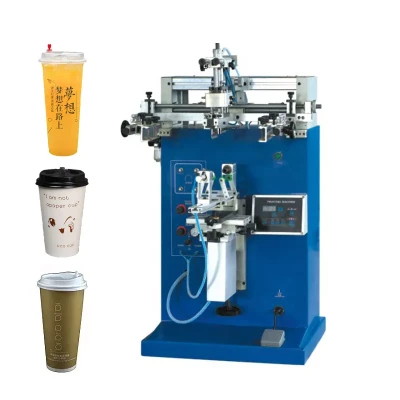
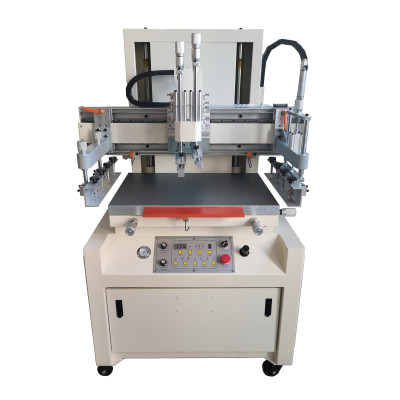
Are you looking for a reliable precision screen printing machine manufacture?
We can quickly provide customers with market analysis, technical support and customized services.