What is flame treatment and why is it necessary before printing on plastic bottles?
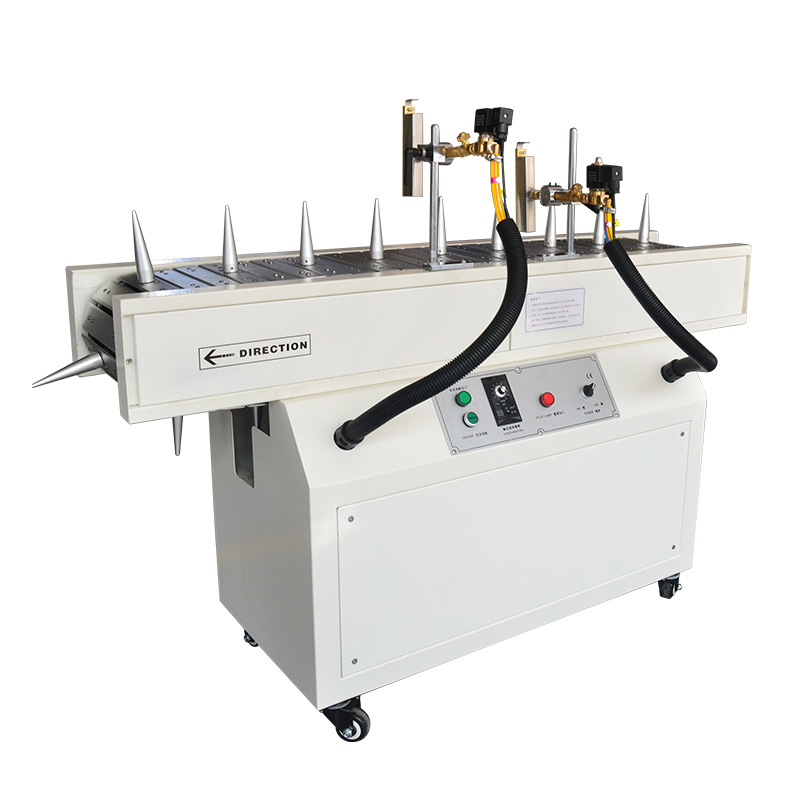
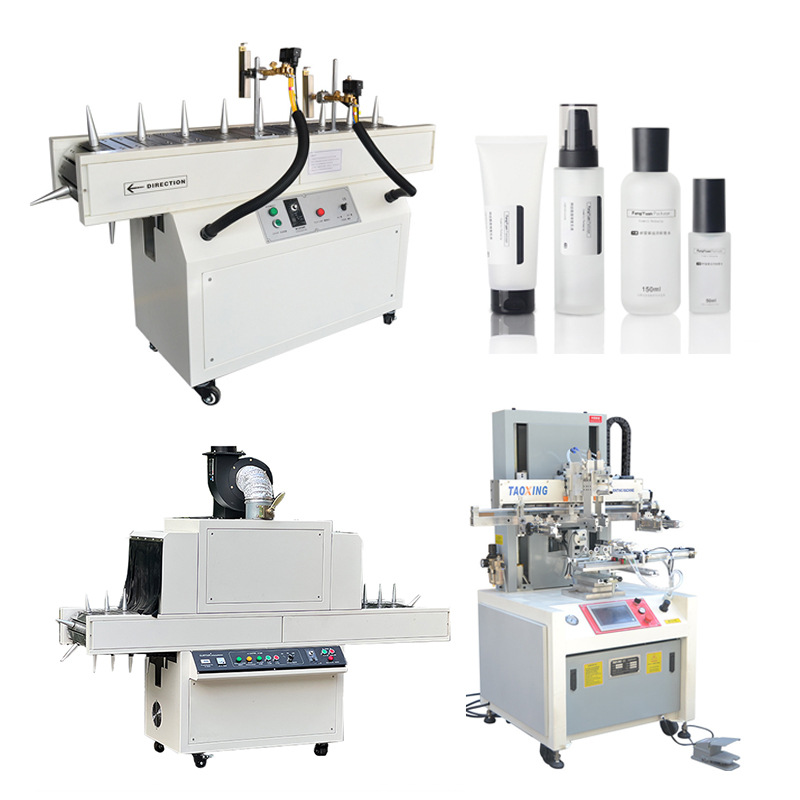
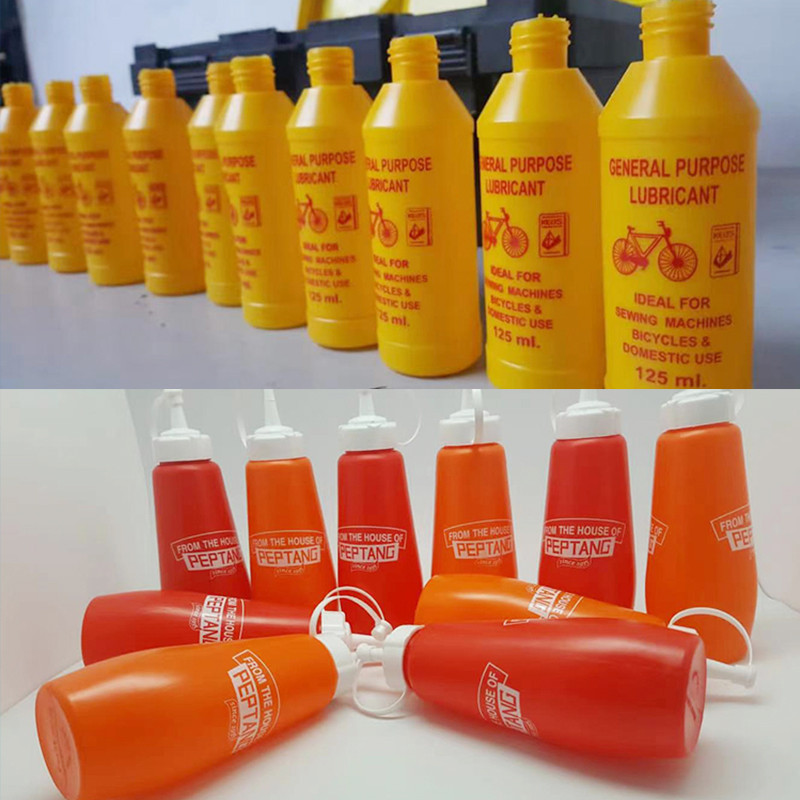
Flame treatment is a surface preparation process that passes a controlled gas flame over plastic bottles to raise their surface energy from 28-32 dynes/cm to 42-48 dynes/cm. This oxidation of the surface molecular layer is necessary because untreated plastics (especially PE and PP) have low surface energy that prevents ink from wetting and adhering properly. Without flame treatment, screen-printed ink on plastic bottles will peel, smear, or rub off within days. CooPrinter's automatic bottle printing lines integrate flame treatment stations directly into the production workflow. The science of flame treatment involves brief exposure (0.2-1.0 seconds) of the plastic surface to a controlled gas flame at 1000-1500 degrees Celsius. The flame's free radicals oxidize the top 1-5 molecular layers of the polymer, introducing polar oxygen-containing functional groups (hydroxyl, carbonyl, carboxyl). These polar groups increase the surface energy, allowing ink to wet the surface and form strong adhesive bonds. The treatment depth is minimal, so the bulk properties of the plastic remain unchanged. Why it is necessary: Polyethylene (PE) and polypropylene (PP), the most common bottle materials, have surface energies of 28-32 dynes/cm. Screen printing inks require a minimum surface energy of 38 dynes/cm (ideally 42+ dynes/cm) to achieve proper wetting and adhesion. Without treatment, ink forms droplets on the surface rather than spreading evenly, resulting in poor print quality and adhesion failure. CooPrinter recommends verifying treatment quality with dyne pens before production. Integration in production lines: CooPrinter's automatic bottle printing lines integrate flame treatment, screen printing, and UV curing in a continuous workflow. Bottles are flame-treated, printed, and UV-cured in sequence at 300-500 bottles per hour. The flame treatment station uses precisely controlled gas/air mixtures and burner positioning to ensure consistent treatment without warping the bottles. With 10,000+ units installed globally, CooPrinter's integrated treatment and printing solutions deliver reliable adhesion for plastic bottle decoration across the packaging industry. Increases plastic surface energy from 28-32 to 42-48 dynes/cm for ink adhesion. Without treatment, ink will not adhere to polyethylene or polypropylene bottles. CooPrinter lines combine flame treatment, printing, and curing at 300-500/hr.Detailed Explanation
Key Points
Raises Surface Energy
Essential for PE/PP
Inline Integration
Related Questions
Get a Free Quote
Are you looking for a reliable precision screen printing machine manufacture?
We can quickly provide customers with market analysis, technical support and customized services.