What is screen printing and how does it work?
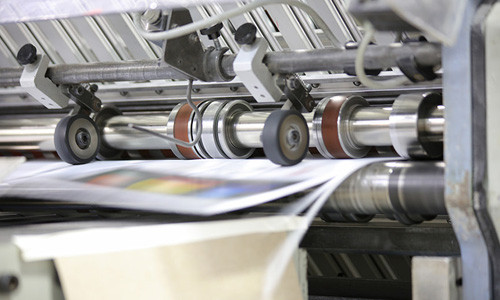
Screen printing is a printing technique that transfers ink through a fine mesh screen onto a substrate, using a stencil to block ink in non-print areas. A squeegee forces ink through the open mesh openings, creating sharp, durable prints on materials ranging from plastic bottles to glass panels and circuit boards.
Detailed Explanation
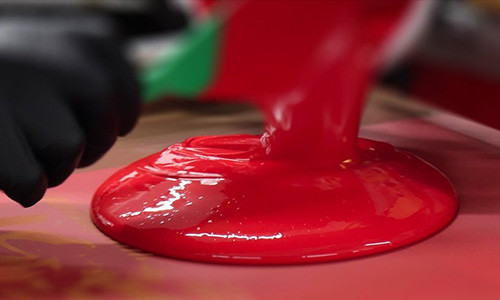
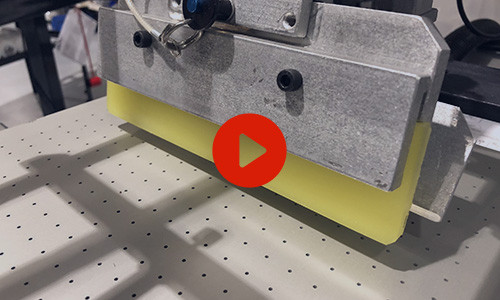
The screen printing process begins with creating a stencil on a mesh screen, typically made of polyester or stainless steel. The stencil blocks certain areas of the mesh while leaving others open. Ink is then poured onto the screen, and a squeegee blade presses the ink through the open mesh openings onto the substrate below. Each color requires a separate screen and pass, allowing for vibrant multi-color prints.
The global screen printing market was valued at $7.44 billion in 2025 and is projected to reach $10.23 billion by 2034, growing at a CAGR of 3.60%. In China alone, the market reached 587.3 billion yuan in 2024, with the electronics sector accounting for 38.5% of total demand. This growth reflects the technique's unmatched versatility across industries.
CooPrinter, backed by TAOXING's 20 years of manufacturing expertise, has installed over 10,000 units globally. Our screen printing machines handle everything from precision electronic components to large-format industrial panels, delivering consistent quality at production speeds of 300-500 prints per hour on automatic models.
Key Points
Versatility
Works on virtually any substrate: plastic, glass, metal, ceramic, textile, and electronic components.
Durability
Screen printed images resist fading, chemicals, and abrasion far better than digital prints.
Cost-Effective at Volume
Lower per-unit cost than digital printing when producing larger batches.
Related Questions
- What are the different types of screen printing machines?
- What materials can be screen printed on?
- How does UV curing work in screen printing?
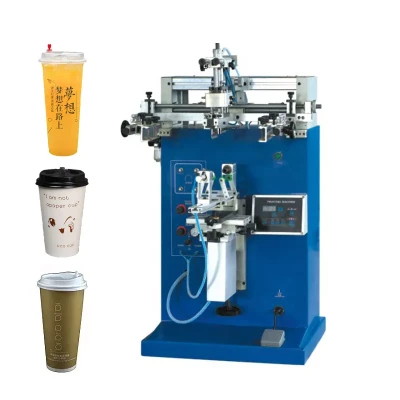
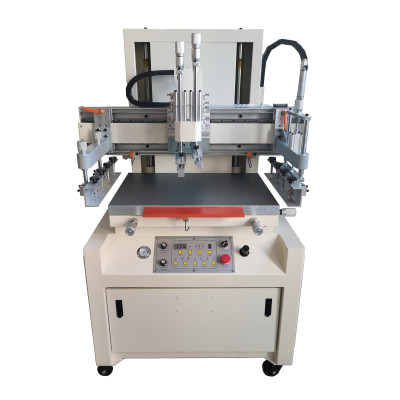
Are you looking for a reliable precision screen printing machine manufacture?
We can quickly provide customers with market analysis, technical support and customized services.