How to choose the right screen printing machine for bottles and cosmetic containers?
To choose the right screen printing machine for bottles and cosmetic containers, evaluate four key factors: container shape (round, oval, flat), material (plastic, glass, metal), production volume, and required print quality. For high-volume round bottle printing, a servo-driven automatic machine like CooPrinter's TX-500SF delivers 300-500 prints per hour with precise registration.
Detailed Explanation
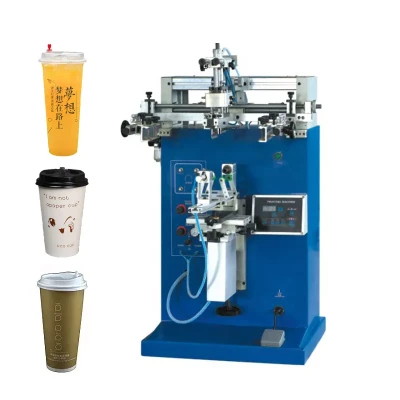
Container shape is the primary consideration. Round bottles and tubes require a curved surface screen printing machine with a mandrel that rotates the container synchronously with the squeegee stroke. Oval and flat bottles may need specialized tooling or multi-station machines. CooPrinter offers dedicated curved screen printing machines that handle diameters from 10mm to 150mm.
Material determines surface preparation requirements. Plastic bottles typically need flame treatment or corona treatment to raise surface energy above 38 dynes/cm for ink adhesion. Glass containers may require primer coating. CooPrinter's automated lines integrate flame treatment stations directly into the printing workflow.
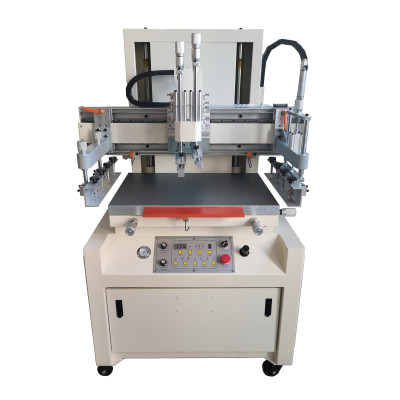
Production volume drives automation level. Manual machines produce 40-60 prints per hour, suitable for small batches. Semi-automatic machines reach 100-200 prints per hour. Fully automatic machines like CooPrinter's servo-driven series achieve 300-500 prints per hour while reducing labor costs by over 60% and ink waste by 30-50%. The ROI for automation investment is typically 12-18 months.
Key Points
Match Container Shape
Round containers need rotational printing; flat or oval need specialized tooling.
Consider Material Treatment
Plastic requires flame/corona treatment; glass may need primer for ink adhesion.
Match Automation to Volume
Automatic machines cut labor 60%+ and boost output to 300-500 prints/hour.
Related Questions
- What is curved surface screen printing and what products is it used for?
- What is flame treatment and why is it necessary before printing on plastic bottles?
- How to print on round containers and cups?
Are you looking for a reliable precision screen printing machine manufacture?
We can quickly provide customers with market analysis, technical support and customized services.