What is the difference between UV and solvent-based screen printing inks?
UV screen printing inks cure instantly through photopolymerization when exposed to UV light, producing zero VOC emissions and enabling inline production at 300-500 prints per hour. Solvent-based inks dry through solvent evaporation, requiring 10-30 minutes drying time, producing VOC emissions, but offering lower material costs and broader substrate compatibility.
Detailed Explanation
Curing mechanism is the fundamental difference. UV inks contain photoinitiators that cross-link polymers in seconds under UV light. Solvent-based inks rely on evaporation: the solvent carrier evaporates into the air, leaving the pigment and binder on the substrate. This evaporation process takes 10-30 minutes and releases volatile organic compounds (VOCs) that require ventilation and environmental controls.
Production efficiency strongly favors UV inks. CooPrinter's automatic lines with integrated UV curing achieve 300-500 prints per hour with inline drying. Solvent-based ink lines require extended drying tunnels or rack drying, limiting throughput to 100-200 prints per hour. However, solvent inks generally cost 30-50% less per liter and work on a wider range of substrates without special surface preparation.
Environmental and durability considerations also differ significantly. UV inks produce near-zero VOCs, making them compliant with strict environmental regulations. The cross-linked polymer structure provides superior chemical and abrasion resistance. Solvent inks, while less environmentally friendly, offer excellent adhesion to difficult substrates and a longer pot life. CooPrinter supports both ink systems across its 10,000+ installed machines, helping customers optimize for their specific application requirements.
Key Points
Curing Speed
UV: 0.5-3 seconds. Solvent: 10-30 minutes. UV enables inline production.
Environmental Impact
UV: zero VOCs. Solvent: requires ventilation and VOC controls.
Cost Considerations
Solvent ink costs 30-50% less per liter, but UV enables higher throughput and lower waste.
Related Questions
- How does UV curing work in screen printing?
- What materials can be screen printed on?
- What are the different types of screen printing machines?
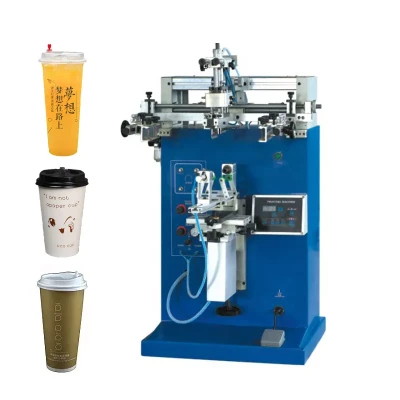
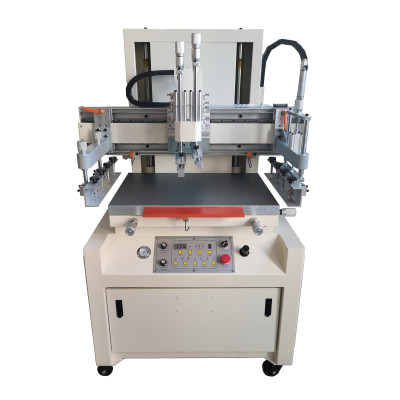
Are you looking for a reliable precision screen printing machine manufacture?
We can quickly provide customers with market analysis, technical support and customized services.