How to print on plastic bottles and what surface treatment is needed?
Printing on plastic bottles requires surface treatment before printing to raise the surface energy above 38 dynes/cm, ensuring proper ink adhesion. The most common methods are flame treatment and corona treatment. After treatment, screen printing or pad printing applies the ink, followed by UV curing or thermal drying. CooPrinter's automatic lines integrate all three steps: treatment, printing, and curing.
Detailed Explanation
Plastic bottles, especially polyethylene (PE) and polypropylene (PP), have naturally low surface energy (28-32 dynes/cm), which causes ink to bead up and fail to adhere. Flame treatment is the most effective method for raising surface energy: a controlled gas flame briefly passes over the bottle surface, oxidizing the top molecular layer and increasing energy to 42-48 dynes/cm. Corona treatment uses an electrical discharge to achieve similar results and is preferred for thinner-walled containers.
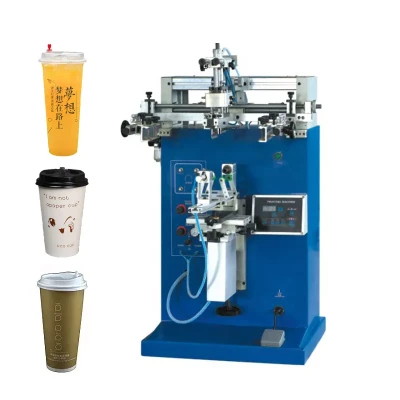
After surface treatment, the bottle is ready for screen printing. CooPrinter's curved screen printing machines rotate the bottle synchronously with the squeegee stroke, transferring ink evenly around the circumference. For multi-color prints, each color is applied in sequence with UV curing between colors. Automatic machines achieve 300-500 bottles per hour with precise registration.
Quality control is critical. The surface energy should be verified using dyne pens before production runs. CooPrinter recommends testing ink adhesion with a cross-hatch tape test after curing. With proper treatment and curing, prints on plastic bottles withstand handling, moisture, and chemical exposure throughout the product lifecycle. CooPrinter has deployed over 10,000 units globally, many in high-volume bottle printing applications.
Key Points
Surface Treatment Required
Flame or corona treatment raises surface energy above 38 dynes/cm for ink adhesion.
Verify with Dyne Pens
Test surface energy before printing to ensure proper ink wetting and adhesion.
Integrated Production Line
CooPrinter auto lines combine treatment, printing, and curing at 300-500 bottles/hr.
Related Questions
- What is flame treatment and why is it necessary before printing on plastic bottles?
- How to choose the right screen printing machine for bottles and cosmetic containers?
- What is curved surface screen printing and what products is it used for?
Are you looking for a reliable precision screen printing machine manufacture?
We can quickly provide customers with market analysis, technical support and customized services.