What is powder coating (hot melt powder) in screen printing?
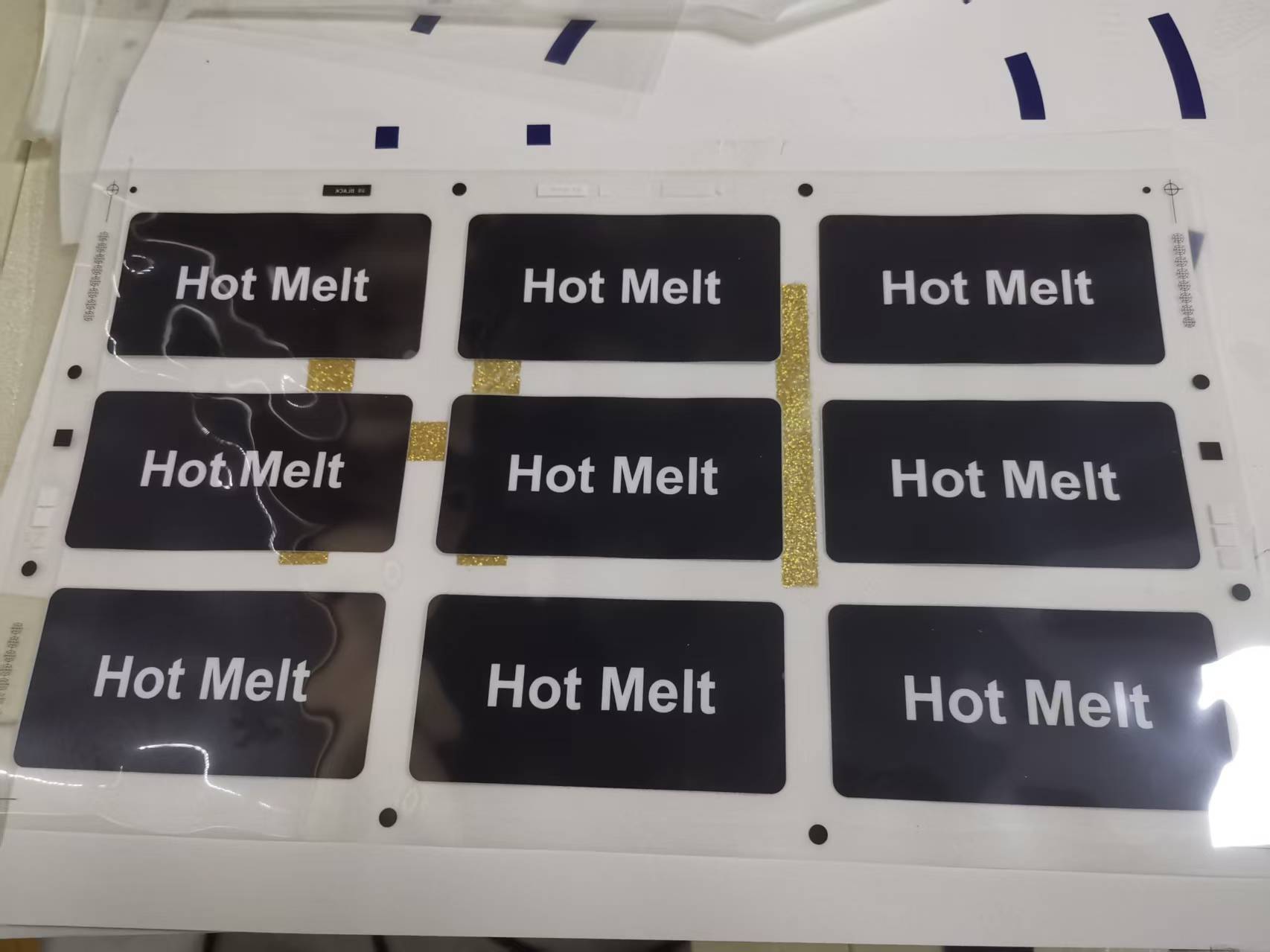
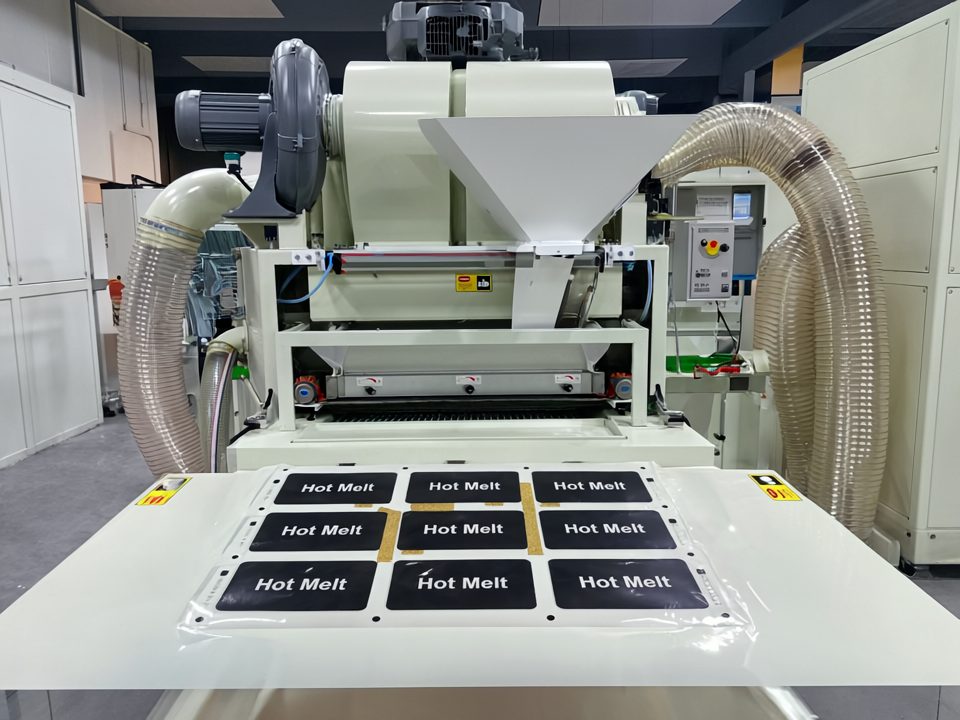
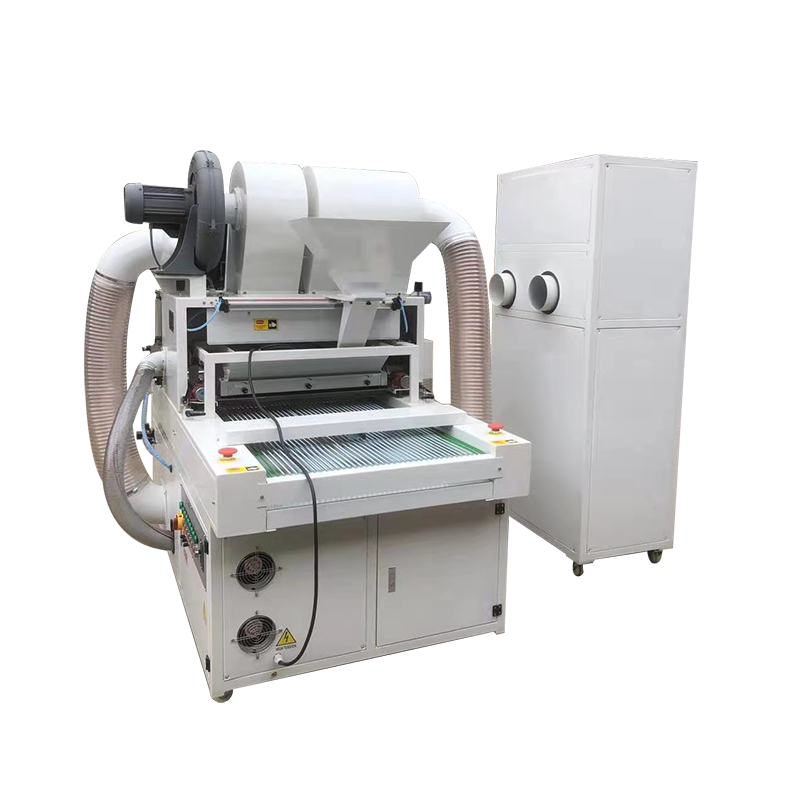
Powder coating (hot melt powder) in screen printing is a process where thermoplastic powder is applied over wet screen-printed ink, then heated to melt and bond the powder with the ink, creating a raised, textured surface. This technique is widely used for braille signage, tactile warning labels, decorative 3D effects, and anti-slip coatings. CooPrinter offers automatic powder coating machines that integrate with screen printing lines. The powder coating process begins with screen printing a design using a special adhesive ink. While the ink is still wet, thermoplastic powder (typically polyamide or polyester, 30-80 mesh particle size) is sprinkled or sprayed over the printed area. The excess powder is removed, leaving powder only on the wet ink. The substrate is then heated in an oven at 120-180 degrees Celsius, melting the powder into a smooth, raised surface that bonds permanently with the ink. Applications include braille and tactile signage (ADA compliance), raised lettering for packaging, textured decorative effects on promotional items, and anti-slip coatings on industrial labels. The raised effect can be controlled by ink deposition thickness and powder particle size. CooPrinter's powder coating machines feature automatic powder dispensing and recycling systems that reduce material waste by 30-50% compared to manual application. The global screen printing market, valued at $7.44 billion in 2025, includes growing demand for tactile and accessible printing driven by accessibility regulations. CooPrinter's integrated powder coating solutions combine screen printing, powder application, and thermal curing in automatic lines achieving 300-500 pieces per hour. With 10,000+ units installed worldwide, CooPrinter serves diverse industries from signage to industrial packaging. Creates 3D raised surfaces for braille, tactile signage, and decorative applications. Powder melts at 120-180C, bonding permanently with the printed ink. CooPrinter machines recycle excess powder, reducing waste 30-50%.Detailed Explanation
Key Points
Raised Textured Effect
Thermal Bonding
Automatic Recycling
Related Questions
Get a Free Quote
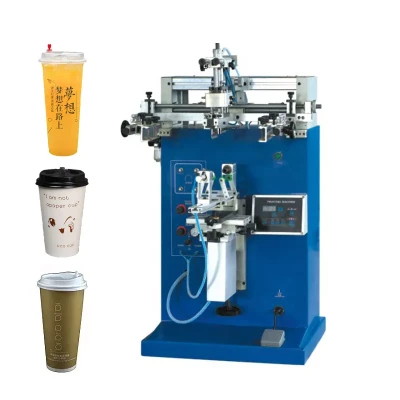
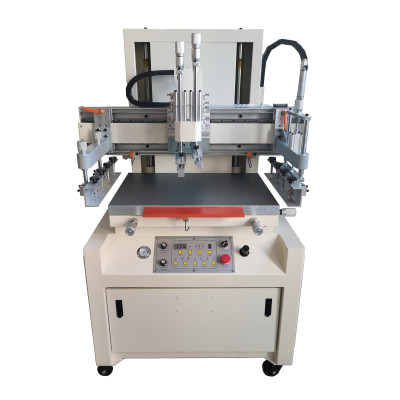
Are you looking for a reliable precision screen printing machine manufacture?
We can quickly provide customers with market analysis, technical support and customized services.